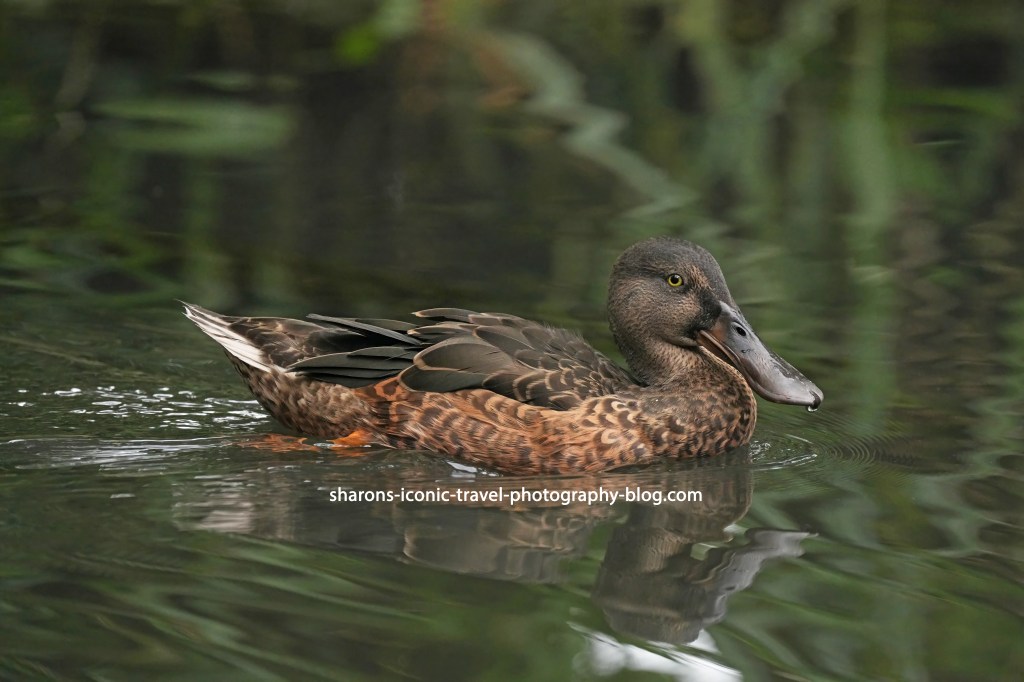
I just came back from a little less than 2 weeks in England. I took lots of photos. It was my first visit since before Covid. I took it slow so I did not travel far and wide daily. I believe this bird is a northern shoveler. If I am wrong, let me know.
Northern Shoveler
I saw this bird close to the Thames River in London. I saw a lot of water birds in London through visits to the Royal Parks etc. This bird was in a pond near the Thames River on a cloudy day, and it was a forested area around the pond, so it was dark. This photo has been lightened.
The northern shoveler is a dabbling duck. Dabbling ducks feed on aquatic plants and small invertebrates on or near the surface or the water.
Coffee is a popular morning drink in many places throughout the world. Where did it originate? Who discovered it?There may be different stories about the origin, but this is one I found.Some people I know at work who are from Yemen say this is the story they know.
The History of Coffee. Ethiopia and Yemen
Some say the first coffee was brewed in Yemen. There is a story of a Yemeni man traveling in Ethiopia who discovered coffee. The story says he came across some birds eating a plant. The birds were energetic. He decided to try the beans from the plant himself as he was exhausted from traveling. He discovered the beans gave him energy as well. The coffee beans were taken from Ethiopia to Yemen and later Yemeni traders brought the coffee plants to Yemen to grow them there.
Coffee became very popular in Yemen where people drank it in qubveh khaneh or coffee houses. Coffee houses were place where people listened to music and played board games like chess. When coffee drinking spread to other Arabic countries people would discuss political ideas and news at coffee houses.
The History of Coffee. From Yemen to Turkey and Beyond
Originally coffee was called qahwar in Arabic, which means wine of the beans, Yemenis introduced coffee to other Arabic or Middle Eastern countries. When coffee made its way to Turkey it was called kahve in Turkish and later it was called koffie in Dutch when it was introduced in Europe.
In the top picture is an Arabic coffee set. I learned from co-workers how to make it the traditional way: cooking it in a pot over a burner while stirring it. The coffee seems to be ground finer than other coffees, but I am not a coffee drinker.
People still drink it today for the same reasons the first person saw value in the plant: it gives you energy. This no doubt is from the caffeine. Coffee seems to be important the world over as a morning drink. What’s your favourite kind or way of making it?
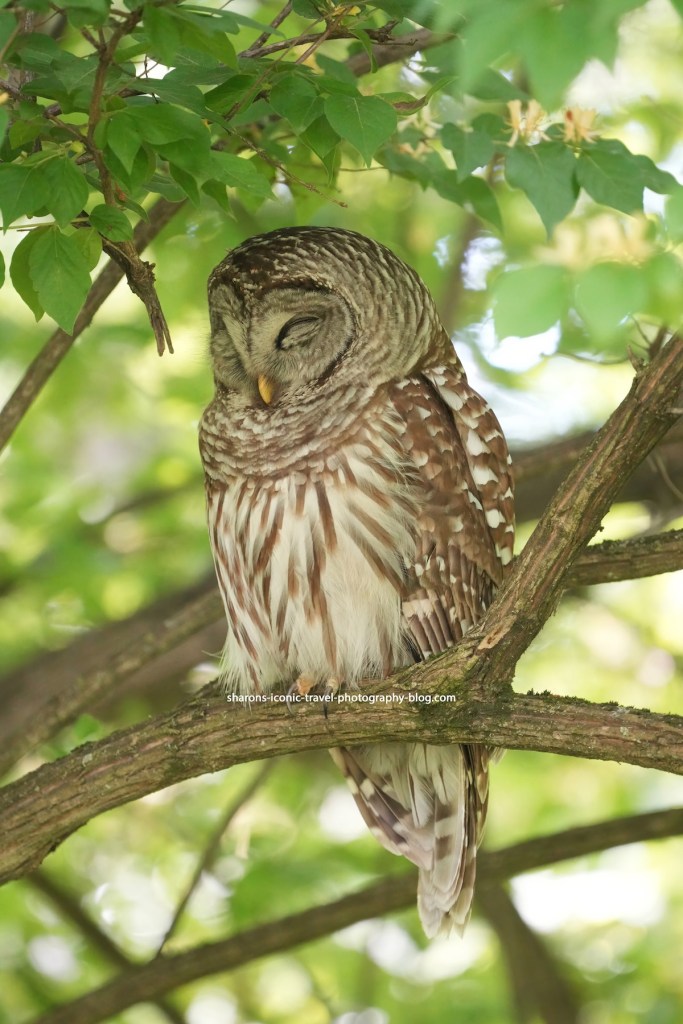
If a barred acts like it is sleeping, sometimes the birds leave it alone. Sometimes if I stand there and watch it for a while they leave it alone.
Barred Owl in a Bush
I guess the birds figure the owl will not try to hunt them while I am there. I have yet to see an owl catch a bird. I usually see them get chipmunks etc. Either the owl is either catching a very short nap or is pretending to sleep. I don’t know if you would call this a cat nap. Would you?
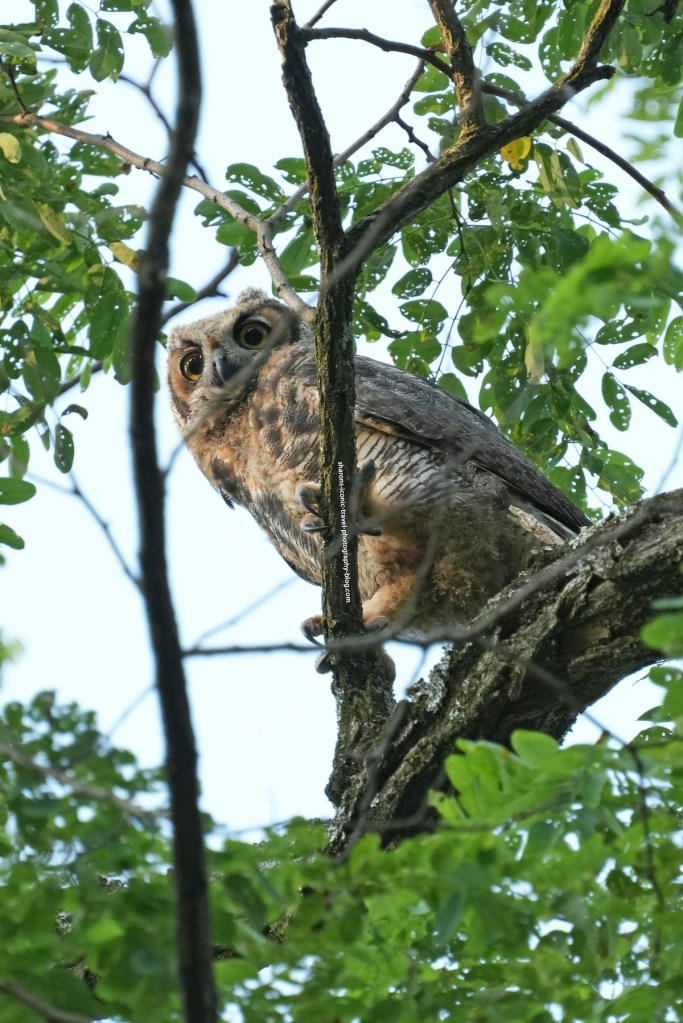
I have heard crows complaining on hikes. Sometimes it is good to check it out as it might be a bird of prey that are fussing about. Surprise! A great horned juvenile was there.
Surprise! A Great Horned Juvenile
I knew it was a great horned, but a friend messaged me it was a juvenile after I took a picture with my phone of the back of my camera. It is still fuzzy on the head and the ears are not quite like an adult’s ears yet.
Surprise! A Great Horned Juvenile – mobbed by crows
It was unexpected for a few reasons, but I was happy to spot it. It was dark in this part of the woods and it was before sunset, so I could not increase the shutter speed, hence the crows are blurred a bit. This is the first time I have seen a juvenile great horned owl after it fledged. Expect the unexpected.
Some birds I am convinced are ADHD. The tree swallow is constantly on the move, and I find it hard to capture it in photos. It very much seems ADHD.
Tree Swallow on a Birdhouse. – Singing
I was hoping it would land on the birdhouse. Lucky for me, it was reading my mind. It was only there for a short time, but I was able to take a few shots.
Tree Swallow on a Birdhouse – Giving me a look
It stared me down for a bit before it flew off. Do any other birds or animals seem ADHD to you? Have a great rest of your week.
I went to check on the Osprey family this weekend. Parents were flying in and out of the nest, which is a good sign the baby or babies hatched.
Busy Osprey Family
I was hoping to see a parent bring in a fish, but not this time.
Busy Osprey Family – Baby head pops up
I only got a few pictures that included a baby osprey. This is one of them. I do not know if this is the only one.
Busy Osprey Family – Feeding the young fish
I do not think the parent was feeding herself here. They seemed to be handing off low to a baby in the nest.
Busy Osprey Family – Reinforcing the nest
I did not witness a fish being brought in, but saw one of the parents bring in a stick, Considering there is visible in this picture a big hole in this nest, it is probably a good idea. Were you busy this weekend? I hope you had time to relax.
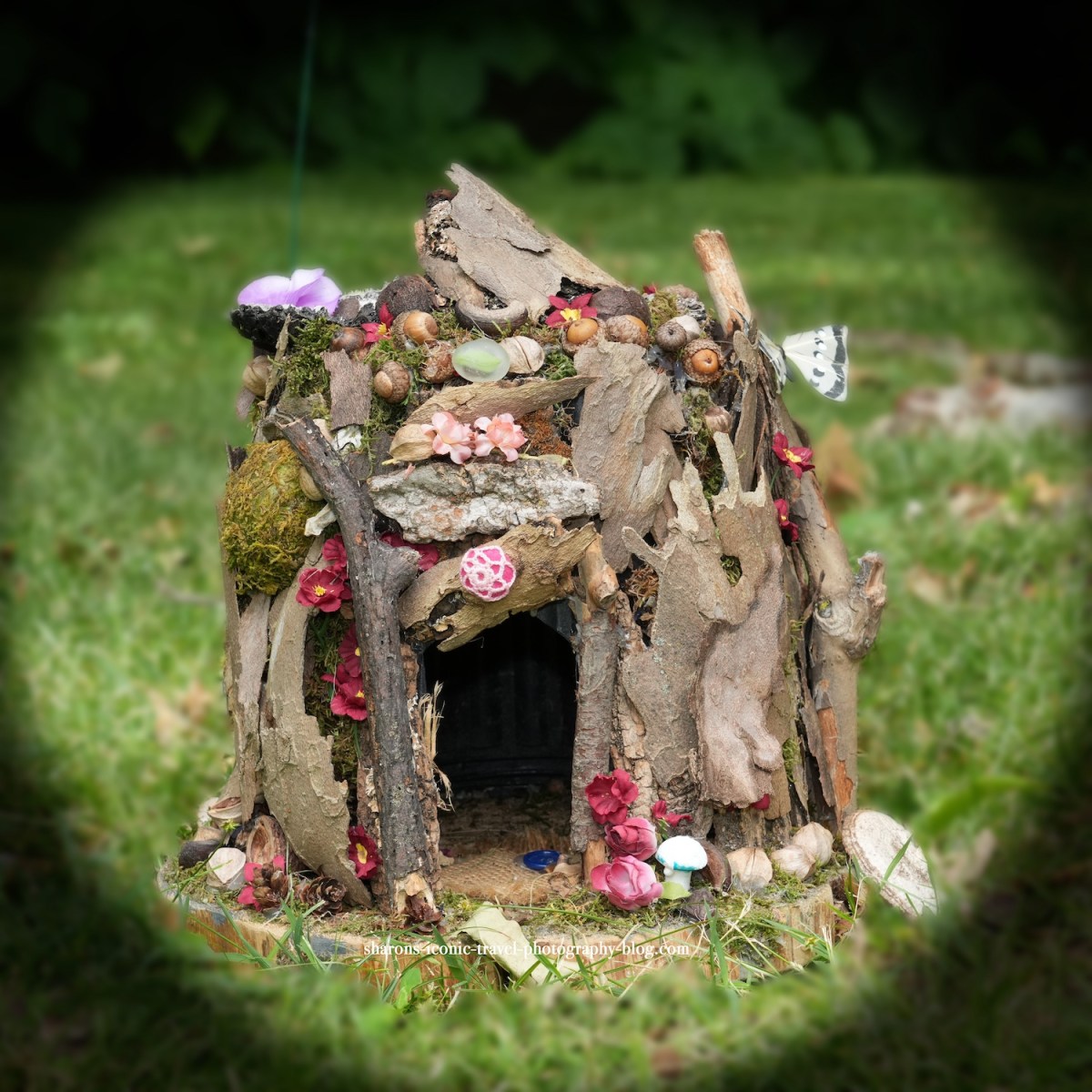
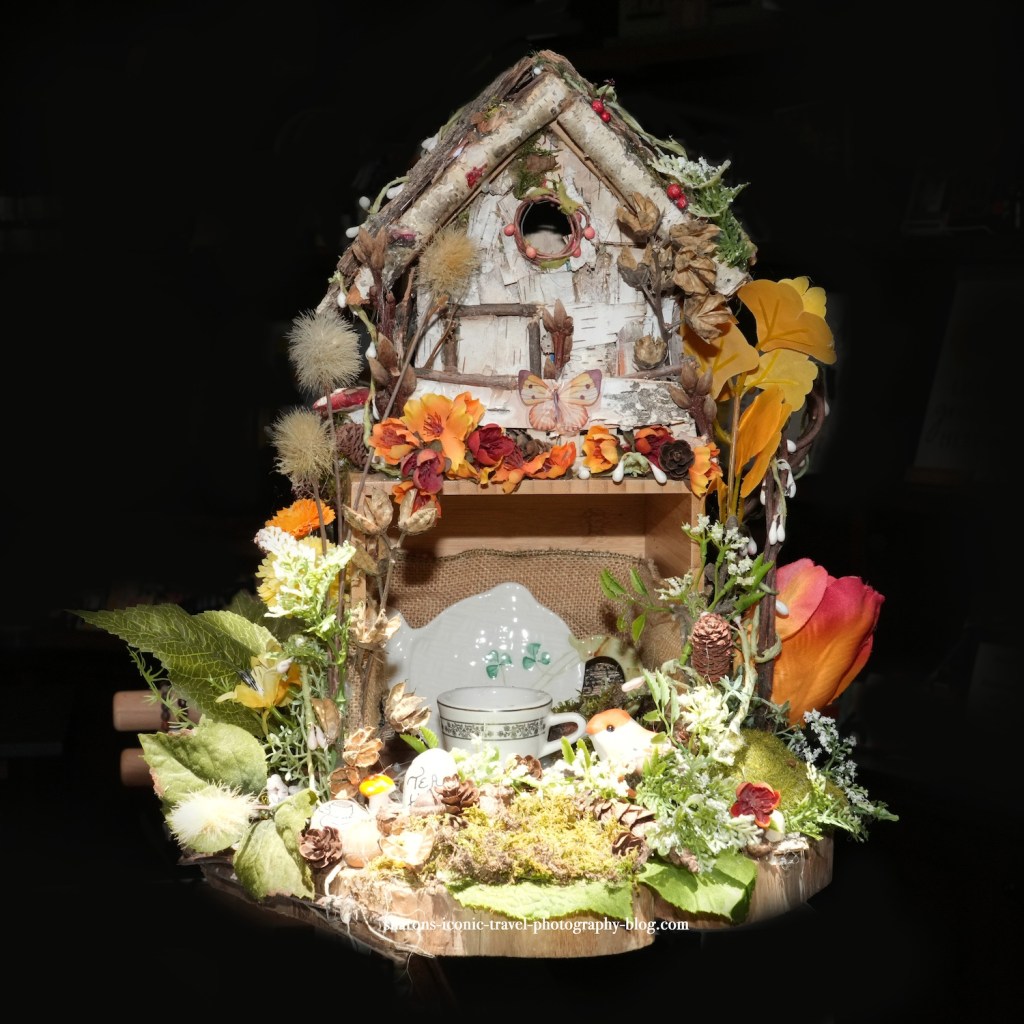
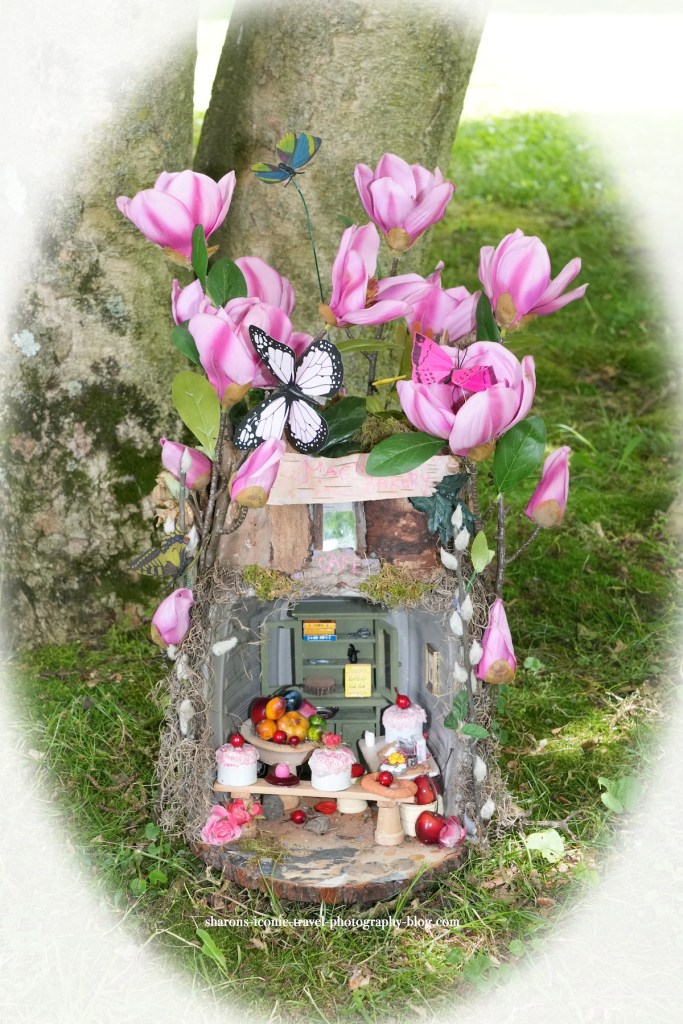
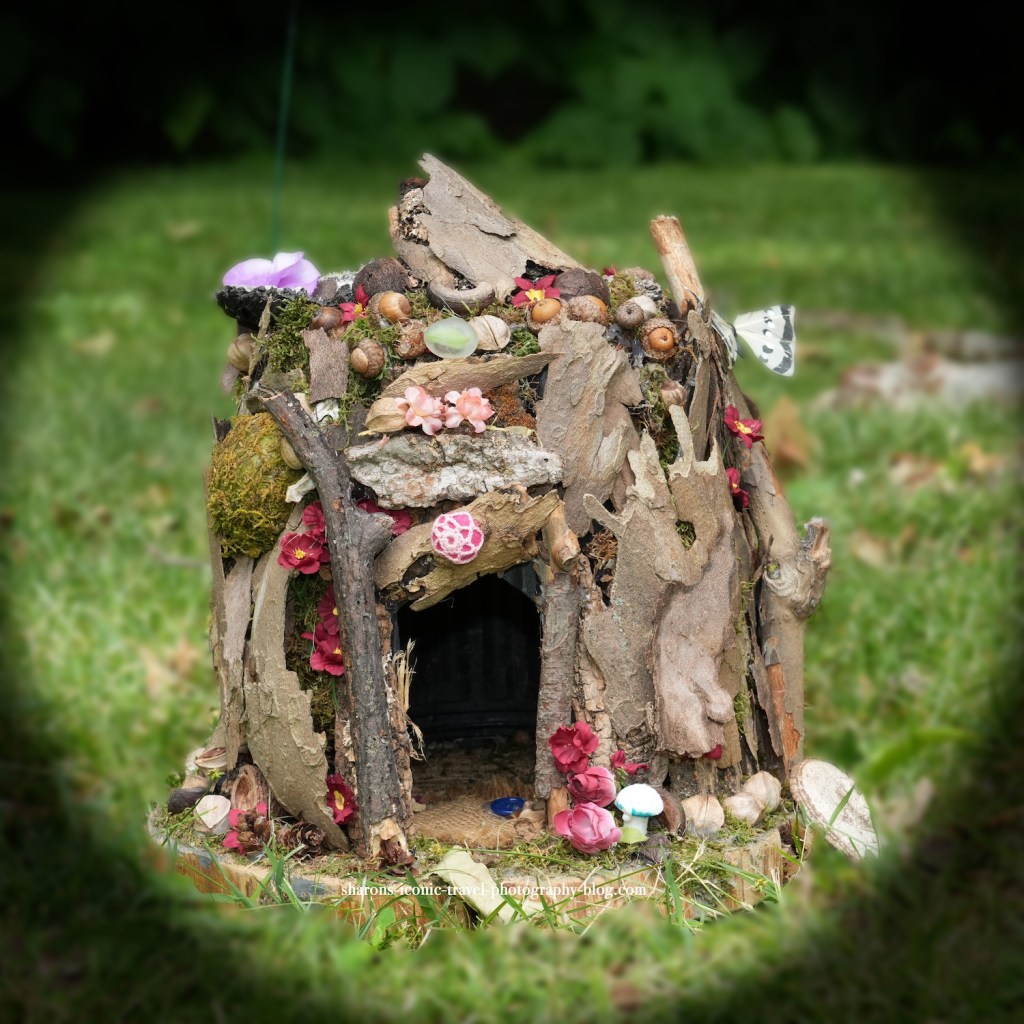
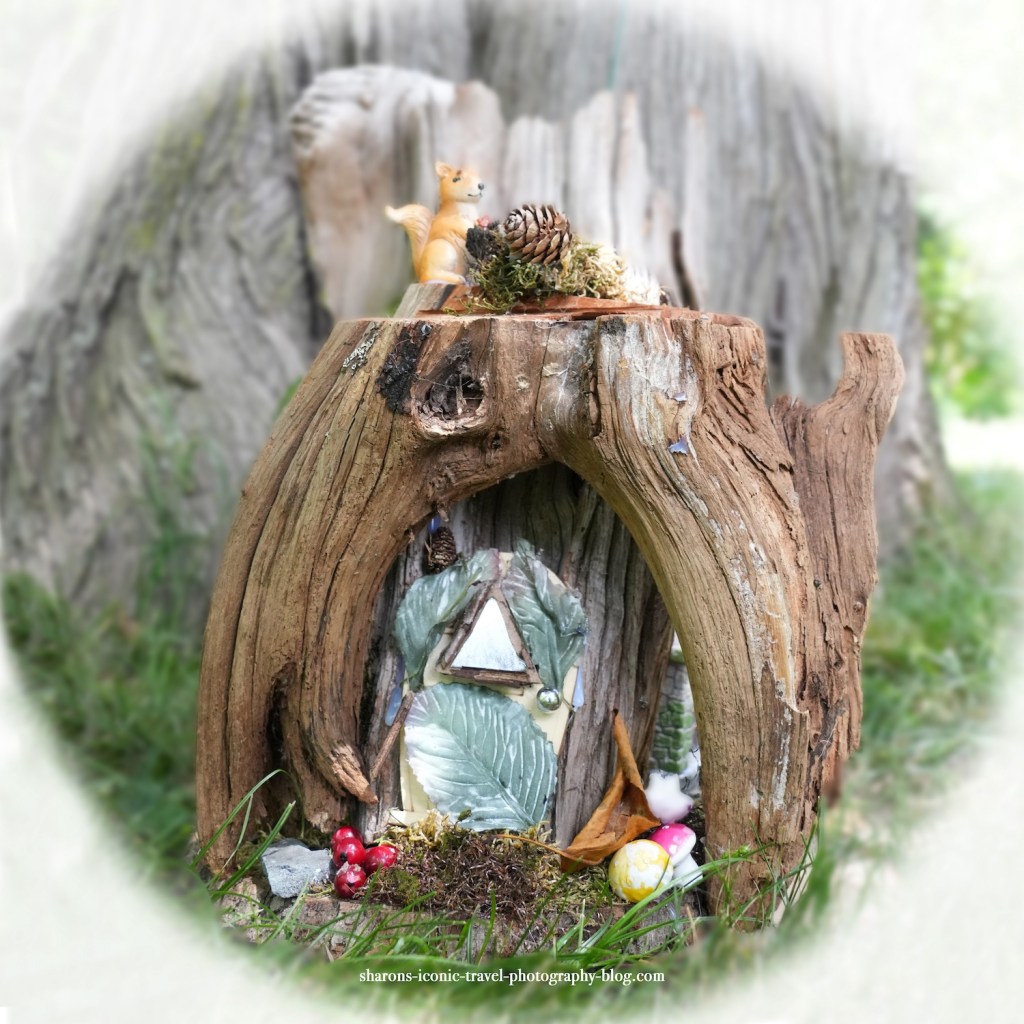
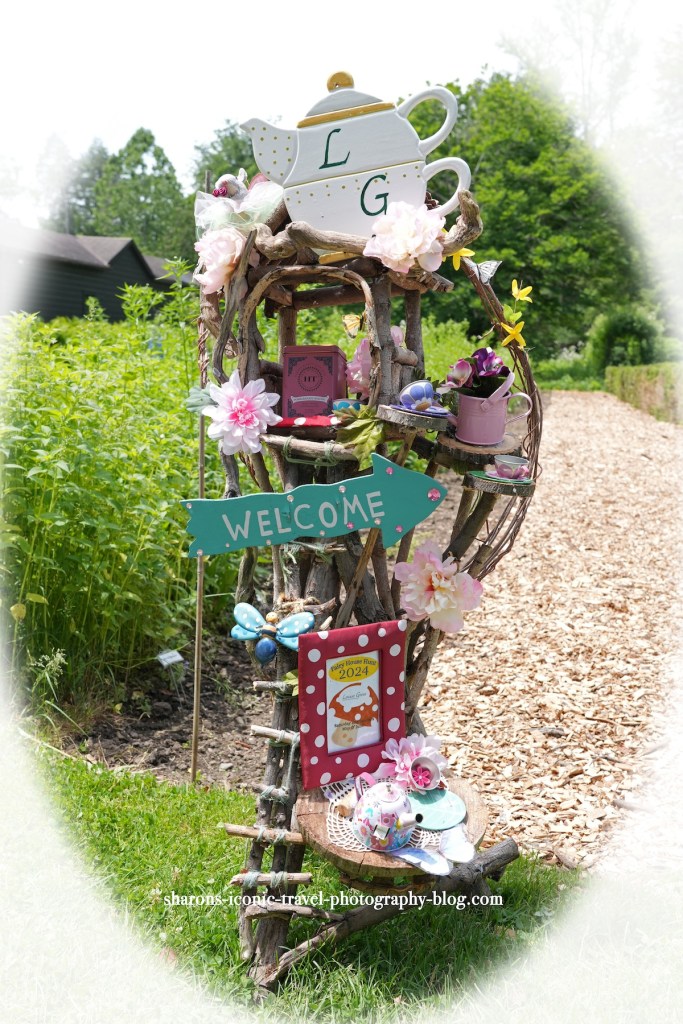
What outdoor activity would appeal to kids and garden enthusiasts alike? The Fairy House Hunt at Locust Grove Estate would appeal to both groups.
Fairy Houses at Locust Grove Estate
Location
The location of this estate is Locust Grove in Poughkeepsie, New York. You can access it by its own turn off via a traffic light on Route 9. The gift shop charges a fee to enter. They provide you with a map to locate the fairy houses.
Fairy Houses at Locust Grove Estate
Estate History
The last residents of Locust Grove, the Young family created a foundation to ensure this site would be open to the public after they lived in it for many years. A famous resident prior to the Young family was Samuel Morse, a painter and inventor of the telegraph and the Morse Code. The museum on site has reproductions of his telegraphs and paintings. Locust Grove was Samuel Morse’s summer home.
Fairy Houses at Locust Grove Estate
The walk
The walk to view the Fairy houses is not too long and it is fairly flat. Other hiking trails on the property are longer and can be steep. The fairy houses are not located on the longer steep trails, but near the garden areas on the property.
Fairy Houses at Locust Grove EstateFairy Houses at Locust Grove Estate – Harney and Sons Tea, a locally made favourite
The Gift Shop
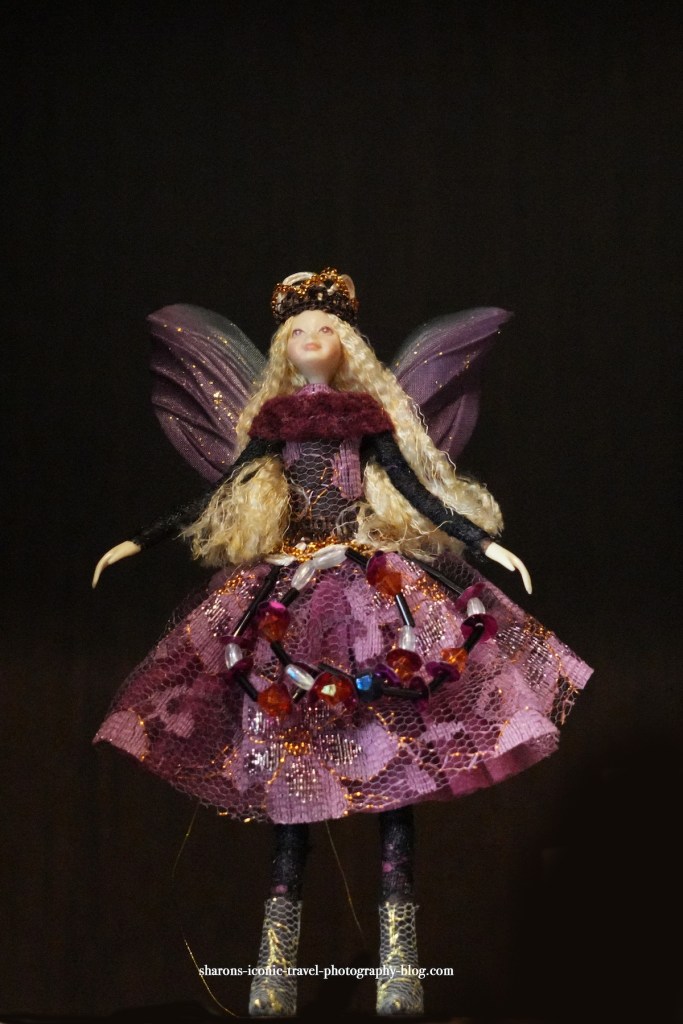
Fairy Houses at Locust Grove Estate – One of the Fairies in the gift shop
The gift shop at Locust Grove sells miniature fairy dolls of various ethnicities/ cultures besides other items.
When
This event appears to run through the end of June. You can see this on weekends up to June 30th between the hours of 10:00 am – 4:00 pm, according to their website. For more information click on the link below.
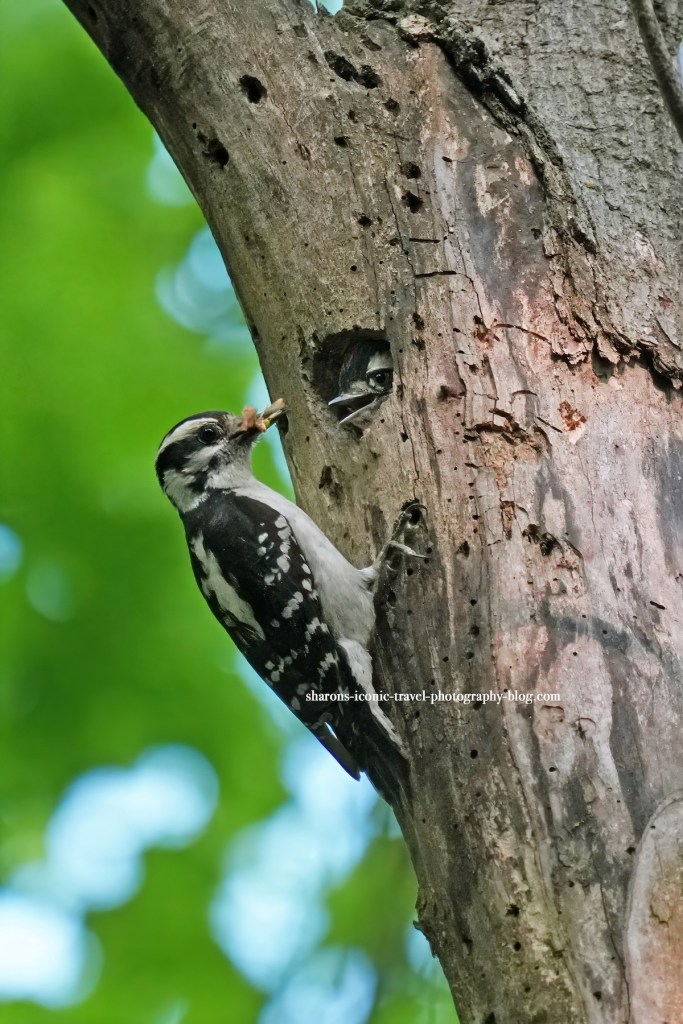
I see and hear various woodpeckers in my area. There is only one kind I have been able to catch the babies peaking out of the tree hole of the nesting tree. It is the Downy woodpecker.
Downy Woodpecker Family – Baby
I usually can at least find the tree the babies are in because I heard them making sounds begging for food. It does not always mean you will be able to catch sight of the hole. Sometimes by the time you hear the babies start making the sounds, the hole may be well camouflaged by leaves.
Downy Woodpecker Family – Dad
The parents are usually fairly close by pecking at trees for bugs. Sometimes they even look for food on the nest tree.
Downy Woodpecker Family – mom
I have no idea what kind of food they caught in either of these pictures. Our woods is full of bugs due to all the rain we have experienced the past year, so they won’t go hungry.
Downy Woodpecker Family – Mom feeding baby
I believe the babies have fledged from this particular tree, but I know of at least three other trees in the same woods where the Downy babies were still in the hole. This pictures were before sunset, taken from a distance, and heavily cropped.
If you go to All About Birds the babies sound kind of like this in the woods when they are in the tree, but soon to fledge. I usually start hearing them right before they fledge.
Watch the Eyes! The Osprey seems to be thinking as its mate is flying in. These landings look risky to me.
Watch the Eyes! – Osprey
This nest either has little babies or eggs that have not hatched yet. In the time I was there the mate only flew out to chase perceived threats. No fish were brought in.
Watch the Eyes! – Osprey
I wonder if an osprey ever injuries its mate when flying back into the nest.
Watch the Eyes! – Osprey. The couple is keeping a watchful eye around it.Watch the Eyes! – Osprey. Most likely flying to chase off a possible threat.
Although they seem to have babies later than owls and eagles, it is still that time of year for new life. Pause to reflect on those who gave the ultimate sacrifice that we may be free.












 Sharon's Iconic Travel Photography Blog