
Tonight the TV show Best Medicine airs on Fox. It is already on Hulu. It airs 8 pm Eastern time zone. They has a preview episode on Sunday night. I highly recommend this show.

Photo from © 2026 Fox Media LLC. CR: Michael Schwartz/FOX.
This show is based on the British show Doc Martin, but will not follow it exactly it appears. The humour was changed to fit in with American audiences and the cast and crew represent the diversity of the U.S. Some new characters are added that do not have representations in the original series and that in itself could lead to new story lines.
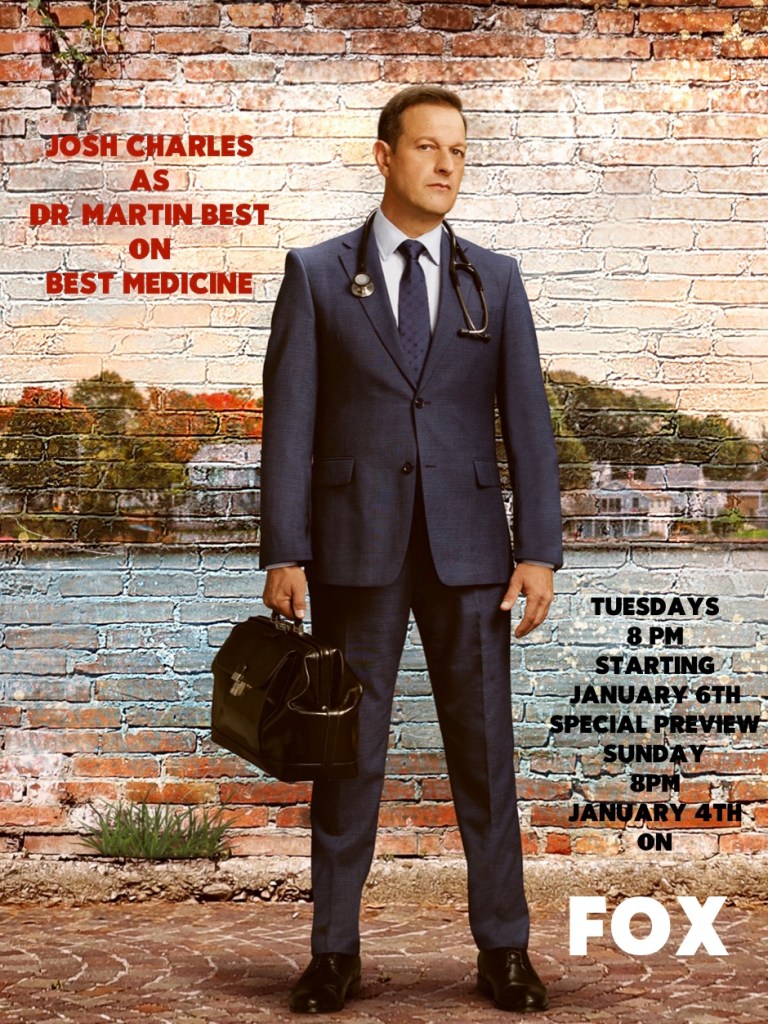
Photo from © 2026 Fox Media LLC. CR: Michael Schwartz/FOX.
This show is filmed throughout the Hudson Valley of New York in multiple counties and locales. However, the fictional location of the show is Portwenn, Maine. I was lucky enough to be allowed to watch as a spectator the first few months of filming when it was at a location closer to me.
Some seasoned actors are regulars in this series. Josh Charles, who plays Doc Martin, a doctor that admittedly hates people, but switches to general practice after he develops a blood phobia while a surgeon. Charles is known for playing Will Gardner in the Good Wife, Commander Wharton in Handmaid’s Tale, and Knox Overstreet in Dead Poet’s Society among many other roles.
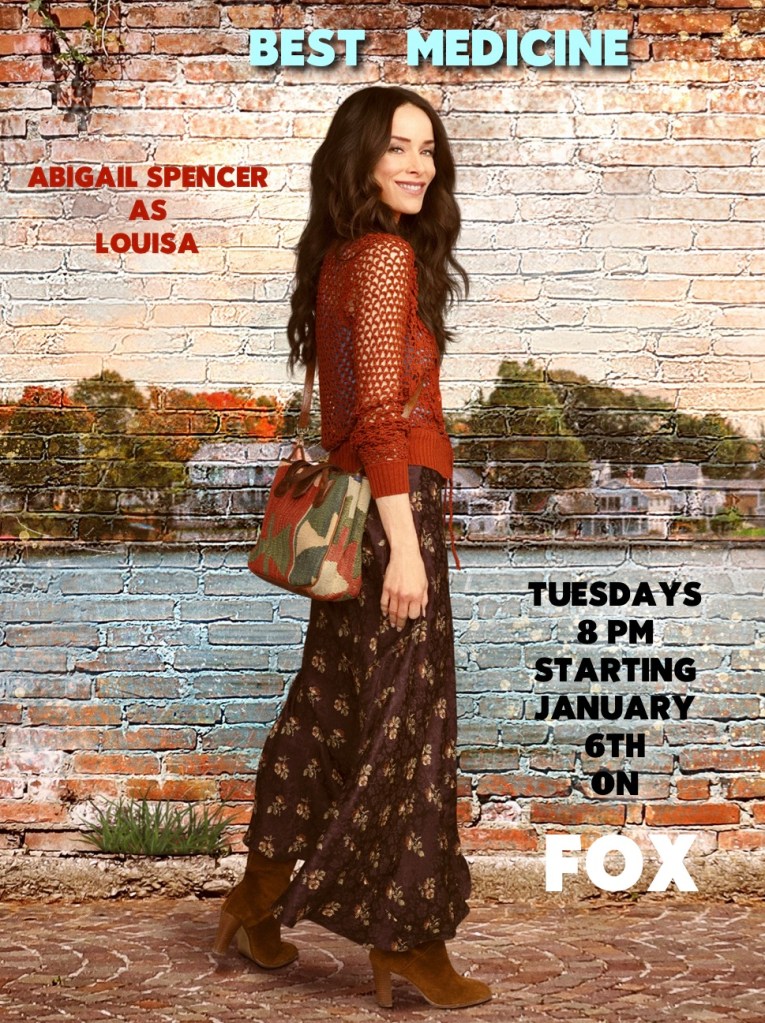
Photo from © 2026 Fox Media LLC. CR: Michael Schwartz/FOX.
Abigail Spencer plays Louisa in this show. Louisa is a charming, local teacher that everyone loves. Her character and the Doc get off to a bad start. She has appeared in Suits as Dana Scott, was Dr. Megan Hunt in Grey’s Anatomy, Juliana Marano in Extended Family and has appeared in many other productions.
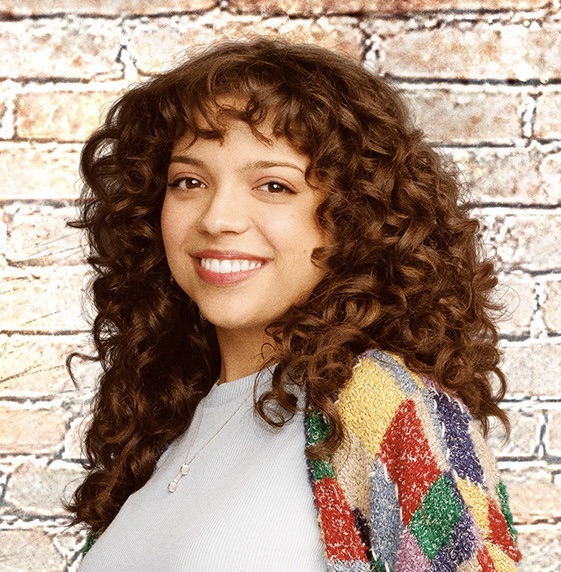
BEST MEDICINE: Cree. © 2026 Fox Media LLC. CR: Michael Schwartz/FOX.
Cree Cicchino, plays Elaine, the administrative assistant to Doc Martin. She comes off as a bit flaky, but ambitious. She is a wannabe social media influencer that annoys the Doc, but she has redeeming qualities by the end of the episode. Cree has appeared in many productions. She was the character Emily Arlen in Big Sky, Marisol Fuentes in Mr. Iglesias, and Babe Carano in Game Shakers among others. Cree has Ecuadorian heritage.
Josh Segarra plays Sheriff Mark Mylow in Best Medicine. His character appears to be happy go lucky and comes off as likeable in a town that probably sees very little crime. He played Manny in Abbott Elementary, CO Stephanovic in Orange is the New Black, Giorgio in the Big Door Prize, Adrian Chase in Arrow, Justin Voight in Chicago PD, Hecto Ruiz in the Electric company, and many other roles. Josh is of Puerto Rican heritage. I do not have access to a promo photo of Josh.
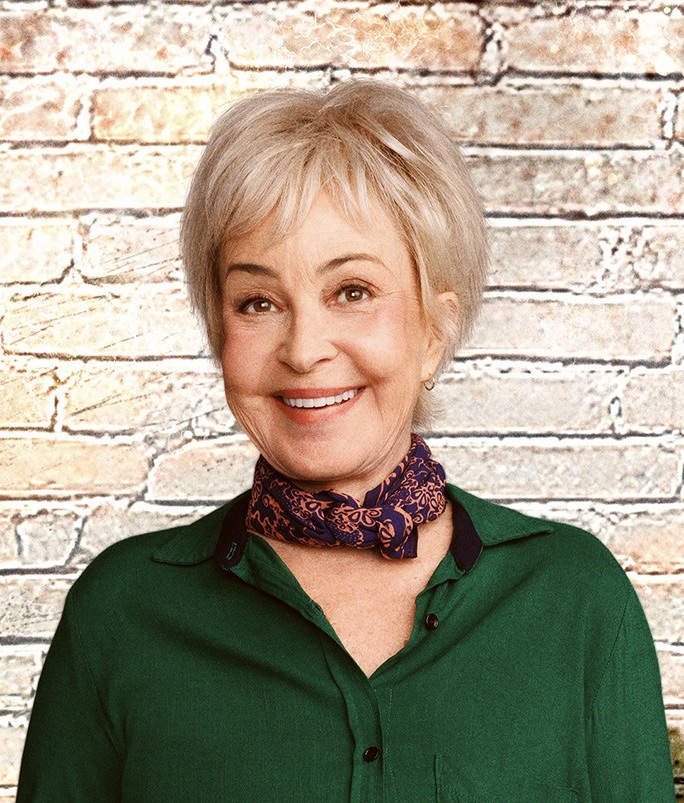
BEST MEDICINE: Annie Potts. © 2026 Fox Media LLC. CR: Michael Schwartz/FOX.
Annie Potts’s character is Aunt Sarah, the aunt of Doc Martin. Her character is an owner of a lobster boat. She is a no nonsense kind of person with a heart. Most recently she was in Young Sheldon and its spinoff Georgie & Mandy’s First Wedding, playing the same character,”Meemaw.” She has a long list of credits including Bo Peep in Toy Story 1 and 2, Mary Jo in Designing Women, Dana Palladino in Love and War, Louanne Johnson in Dangerous Minds, and Mary Elizabeth Sims in Any Day Now.
This show appears to be a charming adaption of the original show it is based on. It falls under both comedy and drama. It seems to be the right mix in a sea of reality shows and sports driven content. The characters can be quirky, but you warm up to them. Watch Best Medicine Tueday nights starting tonight or view it on Hulu.




















 Sharon's Iconic Travel Photography Blog