Mandarin Ducks November

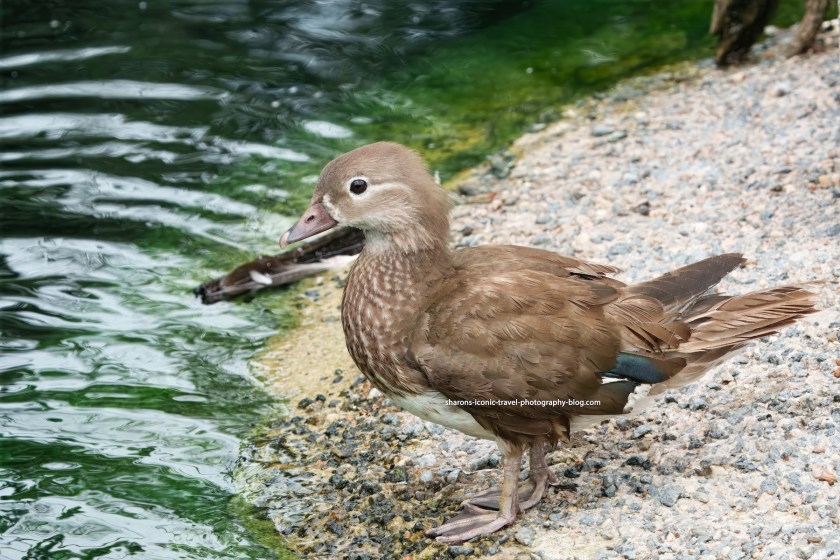
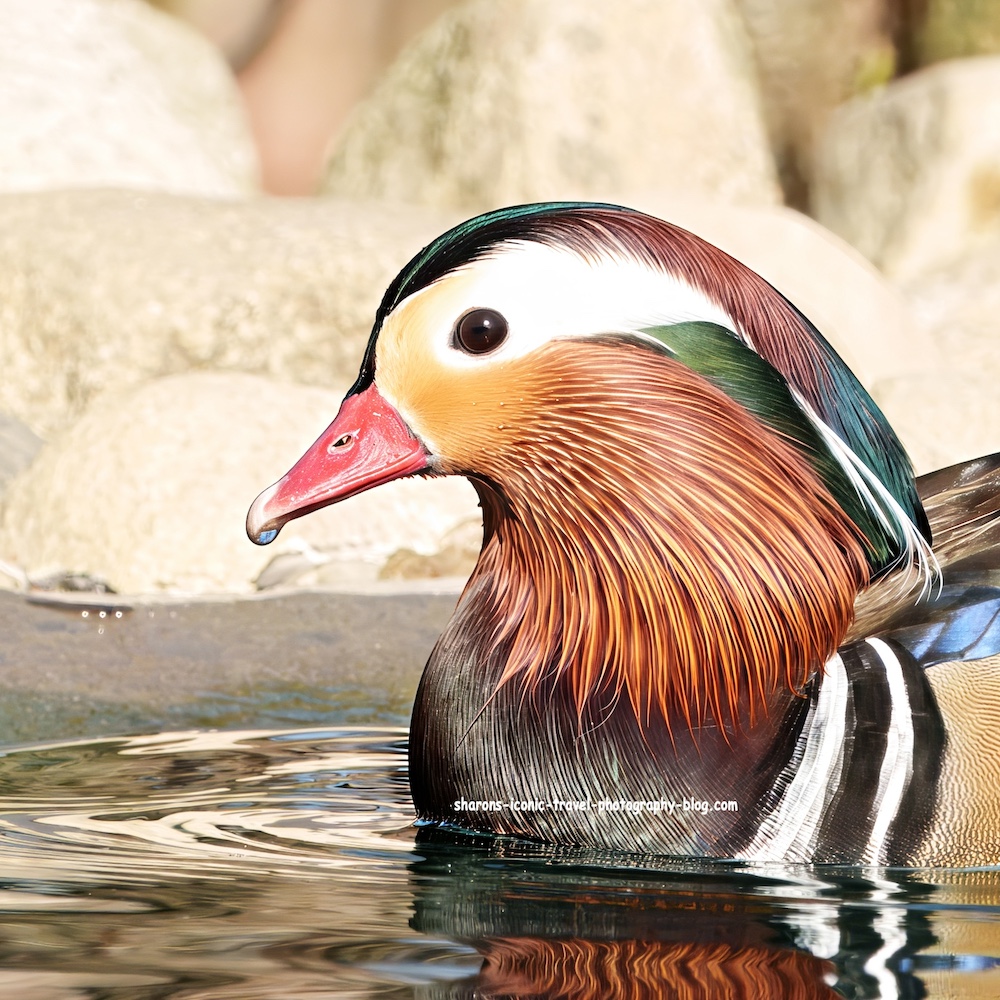
At this location I was able to spot a pair of Mandarin Ducks. The male is brightly coloured and the female’s colours are more gray, brown and white.

FEmales
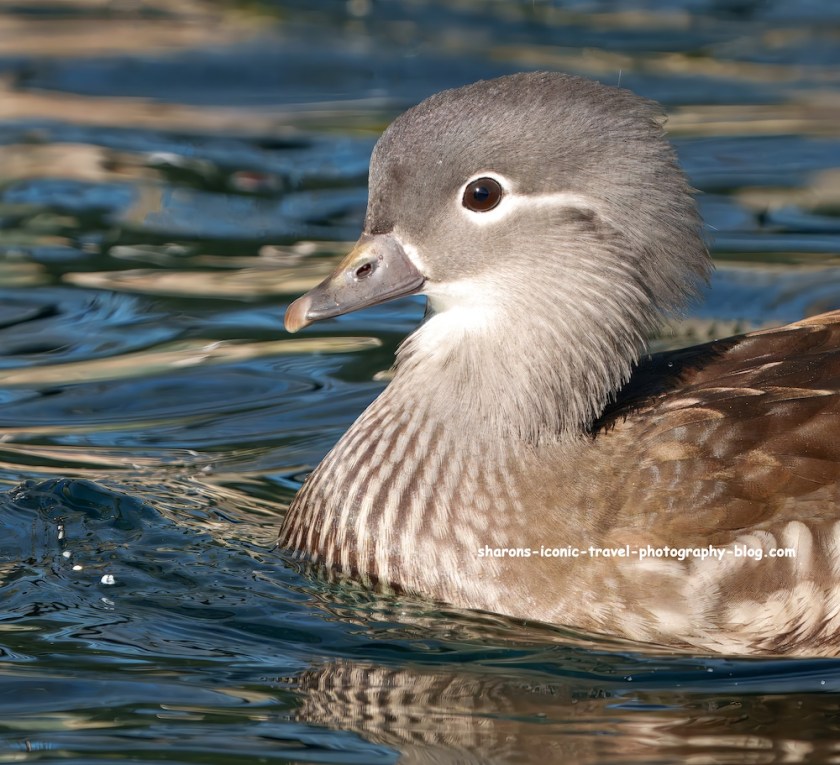
Mandarin Ducks November- Female

The female can lay from 9-12 eggs. The ducks reach maturity at a year old. Despite laying 9-12 eggs they say there are only about 65,000 Mandarin ducks in the wild.

Males
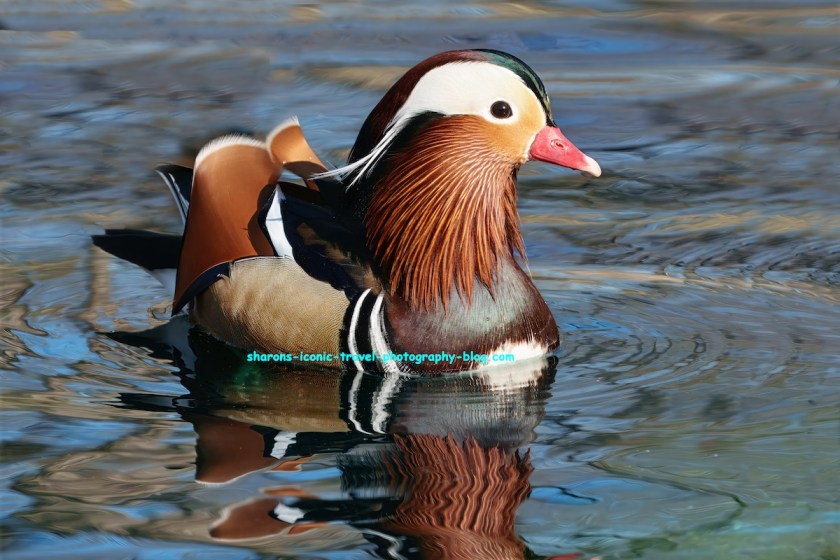
Mandarin Ducks November- Male

Male Mandarin ducks go blend in after breeding season. The males molt or shed the bright feathers, taking on the colouring more like females for a few months. Males gain back their winter plumage in the US in October or November from what I understand.
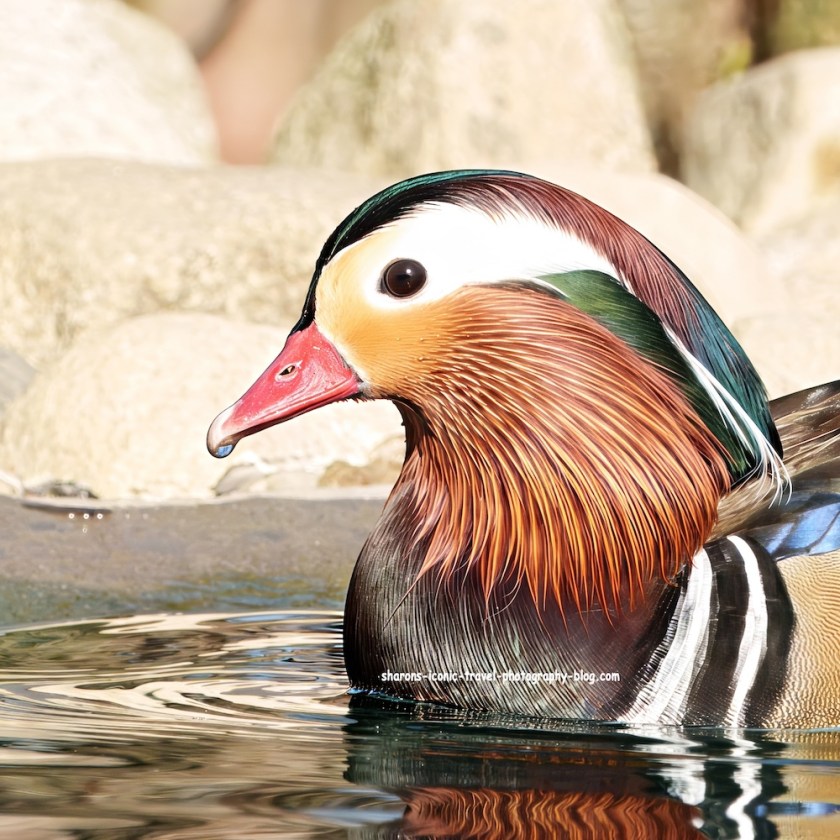
Mandarin Ducks November- Male

Mandarin ducks are not hunted for food because they taste bad according to Sea World. Here in the US some people and zoos have Mandarin Ducks and they escape and join other wild ducks. Have a Splendid Sunday!
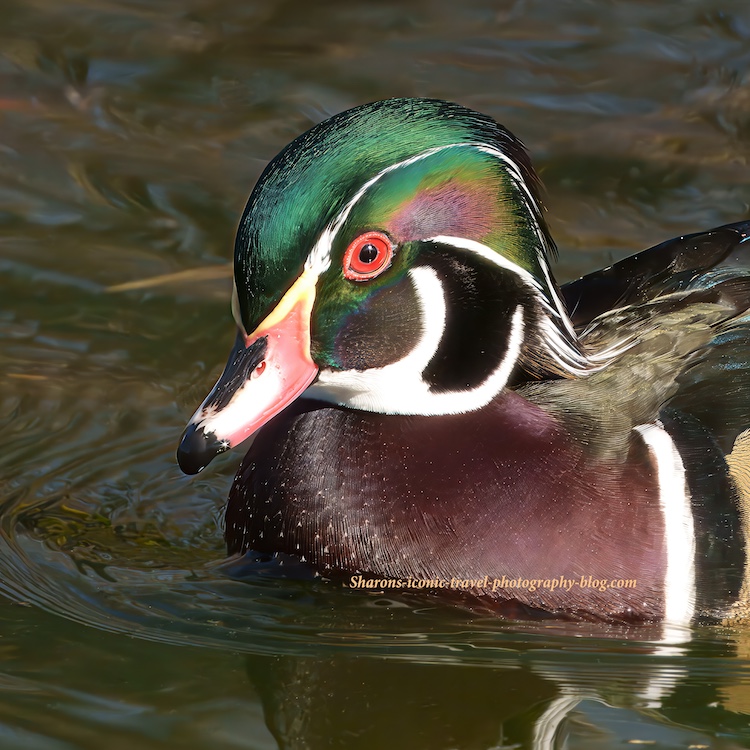
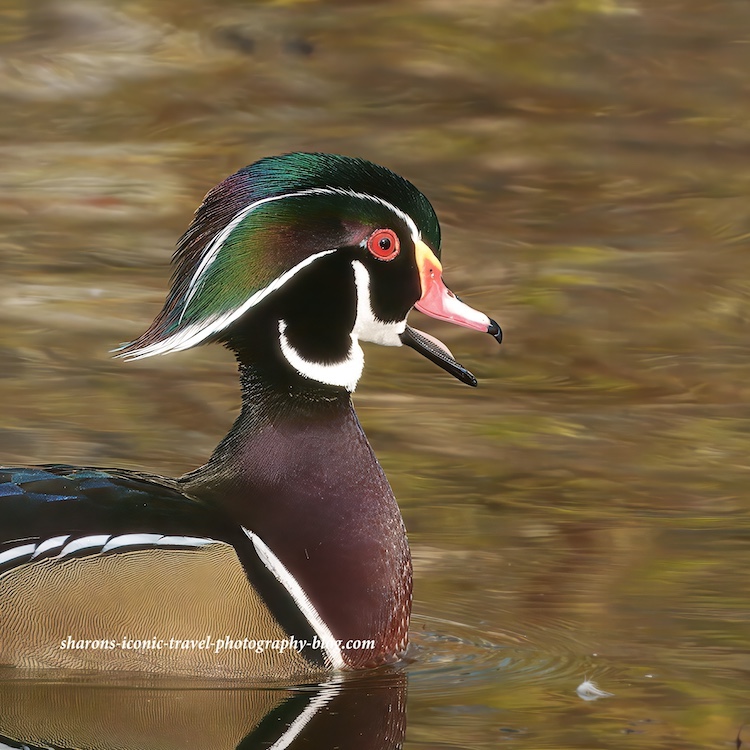
Male Wood Duck in Autumn

I have seen wood ducks at a few places, but only from a distance. They seem very skittish. Sometimes it may be because the location gets a lot of traffic in terms of people, but they seem more on guard. This location had less people and when I was by myself I had the most luck.

Male Wood Duck in Autumn

Wood ducks will hang out in wetlands, marshes, streams, ponds and lakes. I have seen them in wetlands, streams, and ponds. People put up nesting boxes and they will use them. They will also nest in trees. They are native to most of the eastern part of the US year round.

Male Wood Duck in Autumn

Wood ducks will eat seeds, fruit, insects, acorns, flies, beetles, caterpillars, and a variety of plants. They feed by making short, shallow dives called dabbling.

I was at this location for about 3 and a half hours trying to view this duck between branches, grasses and other obstructions. Sometimes it is worth the effort. Have a Happy Monday!

Mandarin Duck

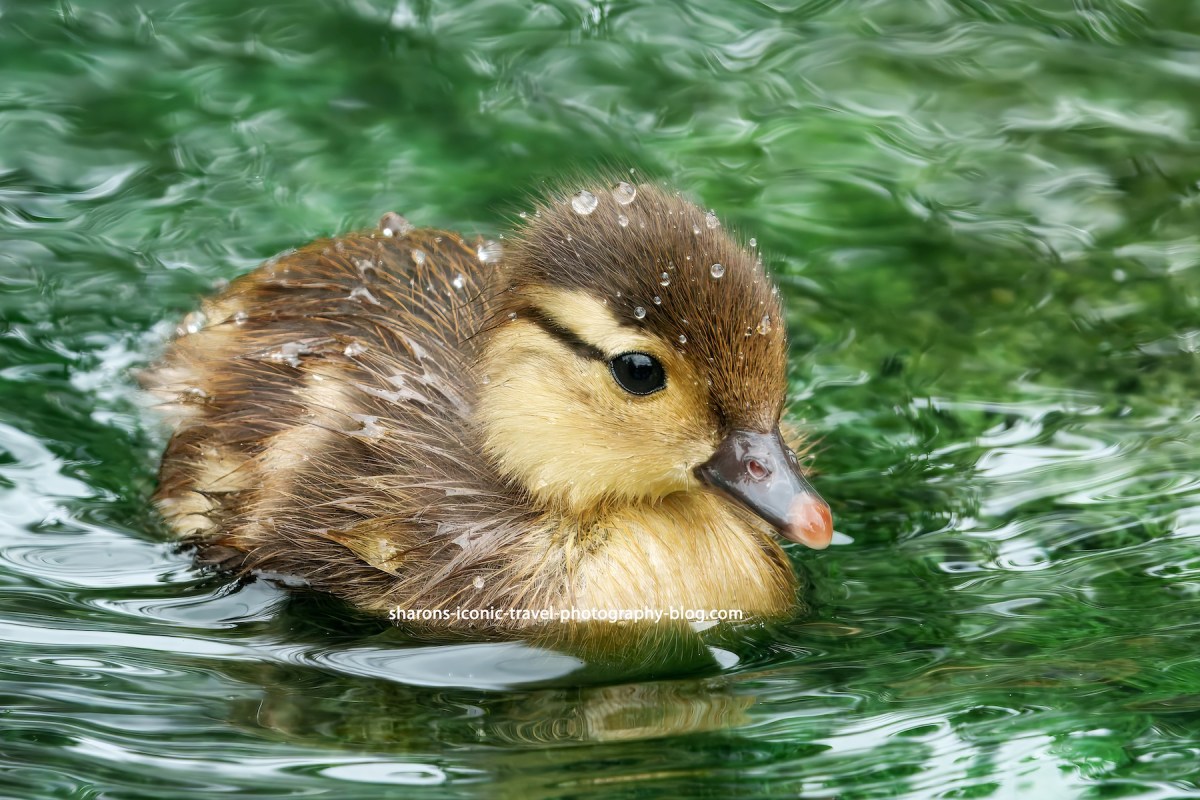
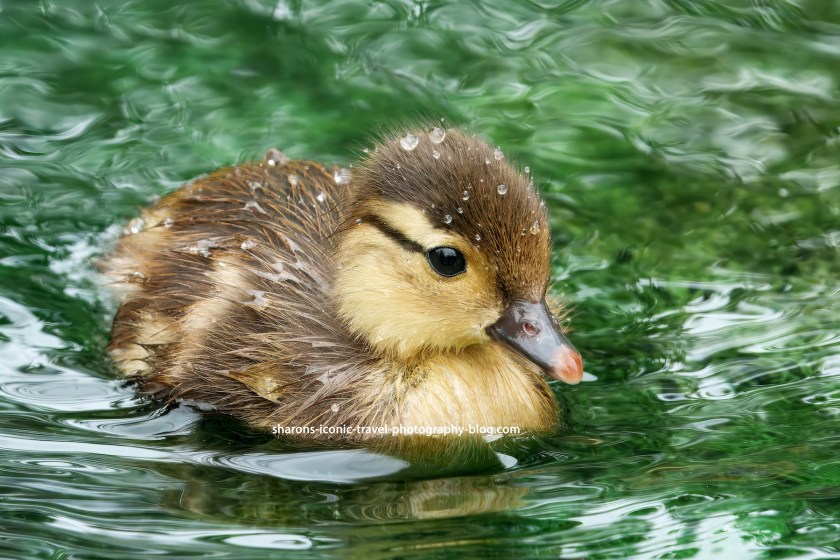
I had to use the Merlin app from Cornell University to identify these ducks. The adult duck came up as a Mandarin duck. The chicks were hanging out with or near the adult. I believe the adult is a female.

I then started looking for a male. I did not see anything that looked like a male Mandarin, or what I thought a male should look like. The Canon Bird Branch Project says says that in the summer the males have the same dull plumage as the females. Their plumage starts turning bright in the fall. I am guessing the male was still around, but mixed in with the ducks or hiding in vegetation.

According to SeaWorld,”These birds can be found in Korea, Eastern Russia, China, Taiwan, and Japan.” We are seeing a stray one here and there in New York and New England. This is most likely due to one escaping from a zoo or a farmer who had them in their collection.

Have a happy Wednesday!

Are You Lost?

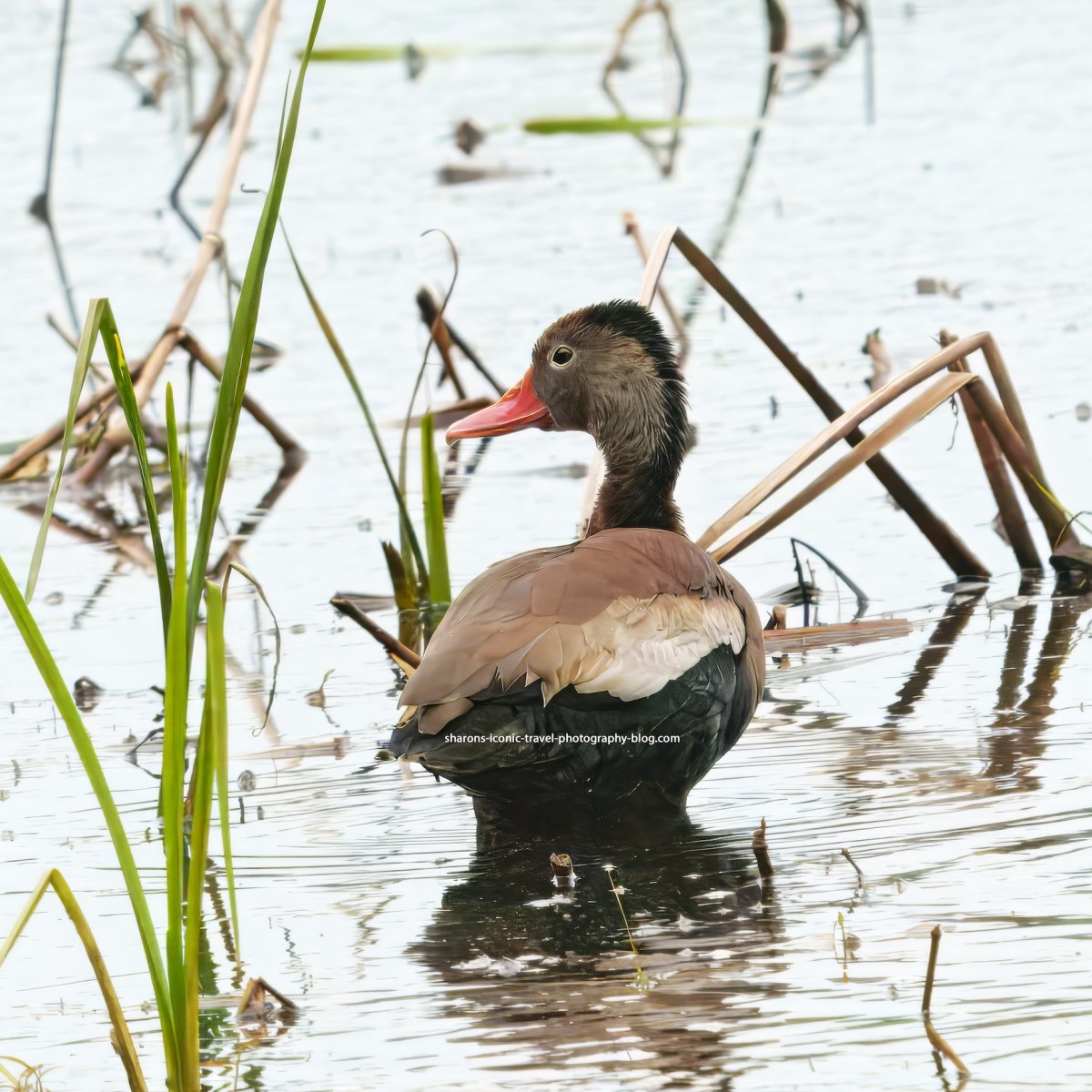
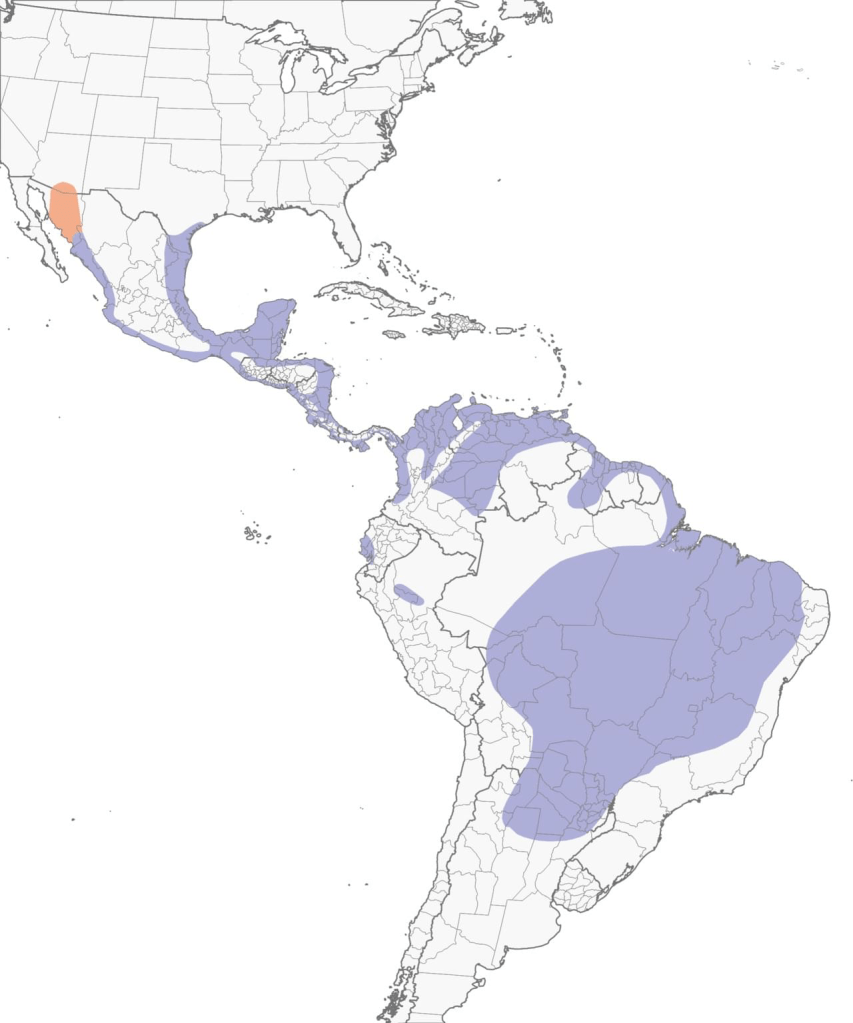
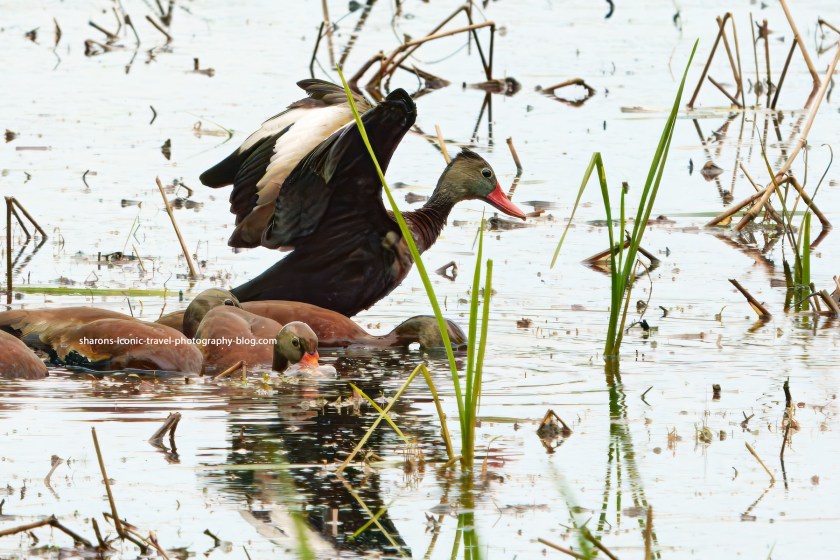
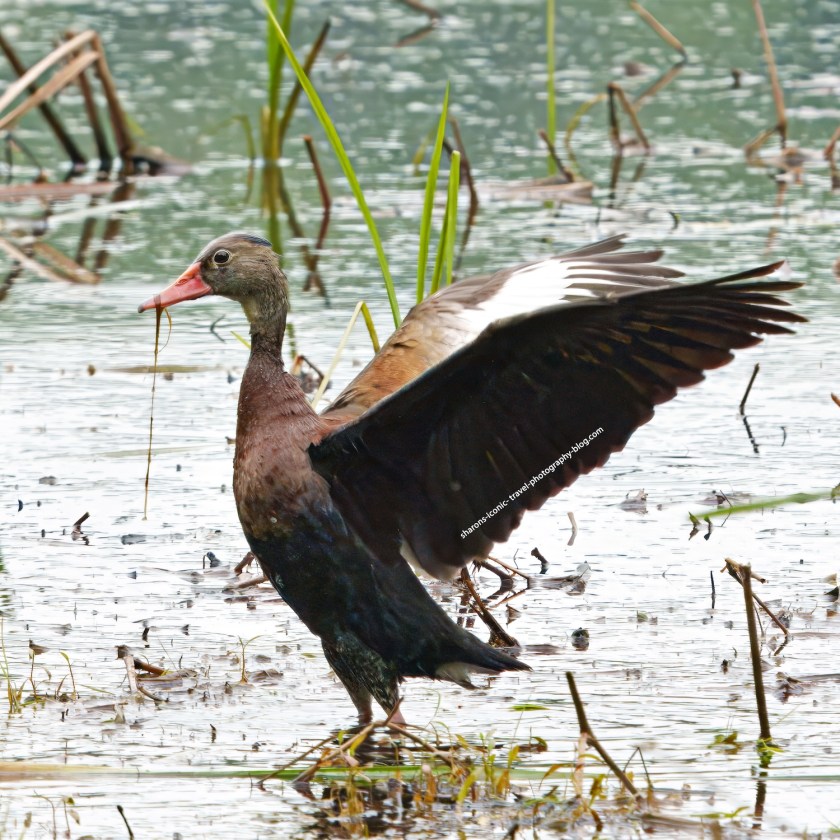
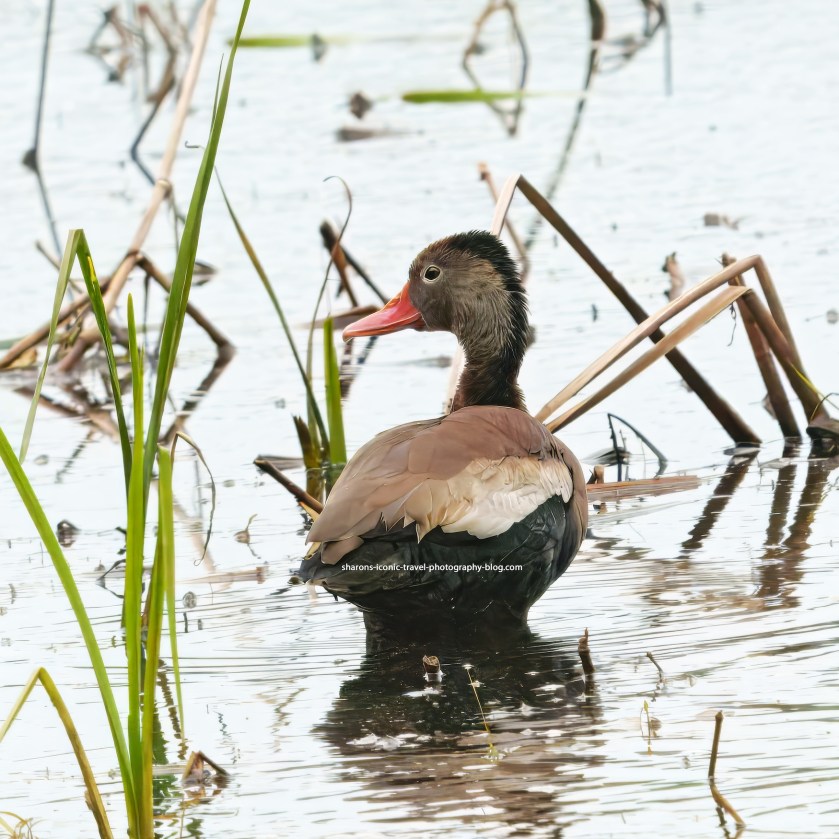
The black-bellied whistling-duck lives along the coasts of Mexico, Central and South America and small slivers of Texas and Arizona. Which location did I see this duck? None of the above. I saw this in New York.

From All About Birds- The shaded areas show where they normally are.

According to All About Birds these are the locations these ducks should be in the shaded areas of the map.

Are You Lost? Black-Bellied Whistling-Duck- They spent a lot of time with their heads under the water. They eat grasses and and a variety of aquatic animals including snails and insects. All About Birds says they typically forage at night. They dabble in ponds or forage in fields.

It is going back and forth between a river and a pond like area. It is not alone but with a few others of its kind. Why is it here? Did a storm blow it all the way up here? Is this a result of a dwindling food in its normal spots? Are birds loosing their directional sense? Do they have wanderlust? Is it getting too hot in the areas they normally are? Did someone capture these or buy them to have in the US and they successfully staged a group escape? It is a mystery.

Are you lost?

If they nest up here, nest predators would be raccoons and rat snakes. Great horned owls could take the adults. There maybe a great horned owl family nearby and I almost stepped on a what looked to be a black rat snake. Being near a river, there are bald eagles close by.

Are you lost?

These pictures were taken from a road with a zoom lens and were cropped. I will not go where I am not supposed to be. I do not go on private land without permission. It was a cloudy, dark day. We have had a lot of those. Maybe in the future if these creatures are still there, I can capture them in better light. Expect the unexpected. Happy Thursday!

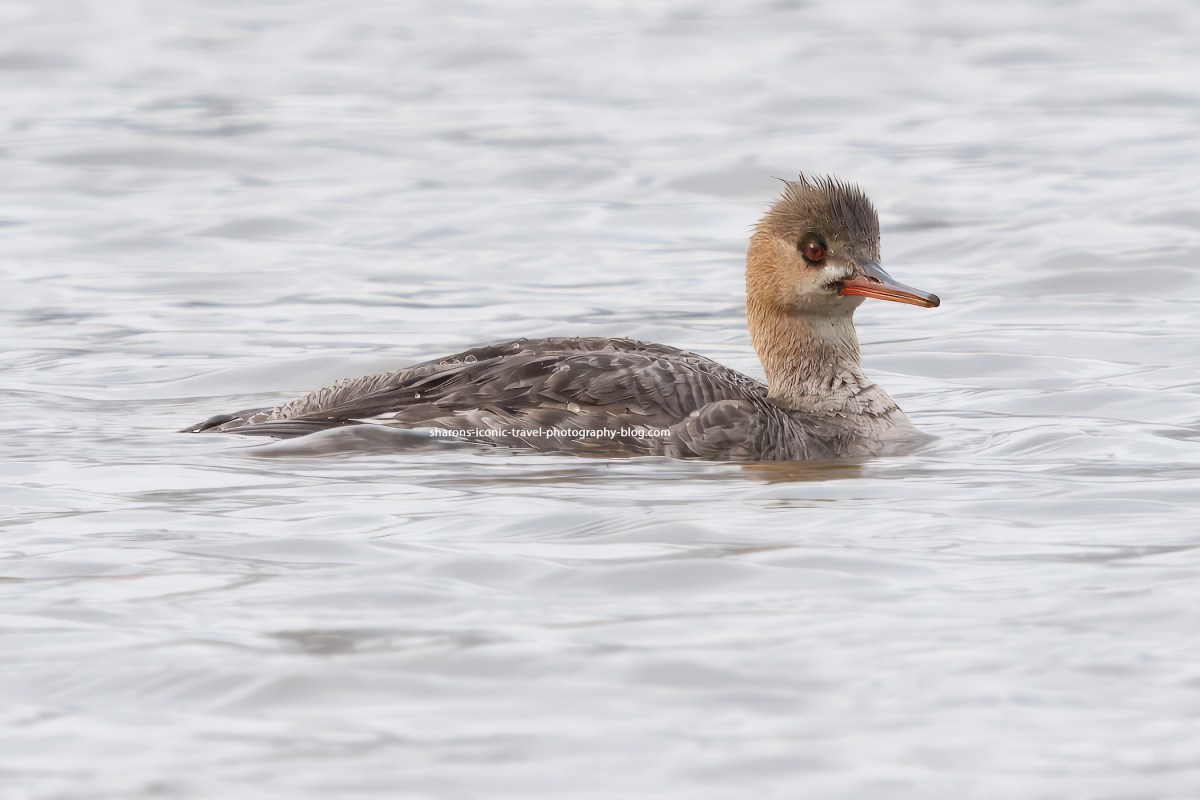
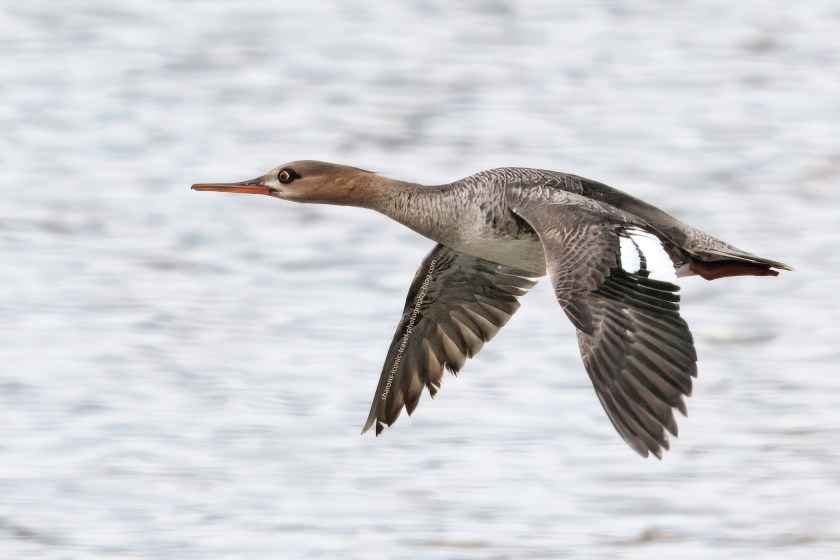
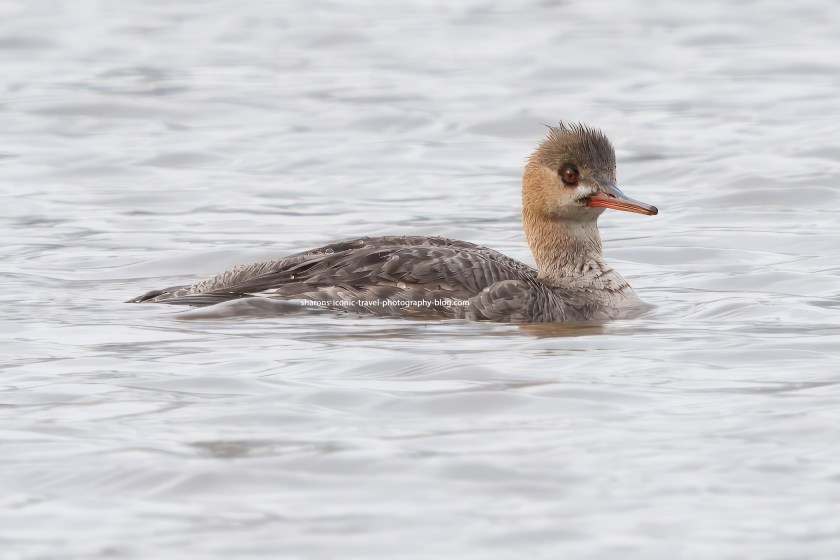
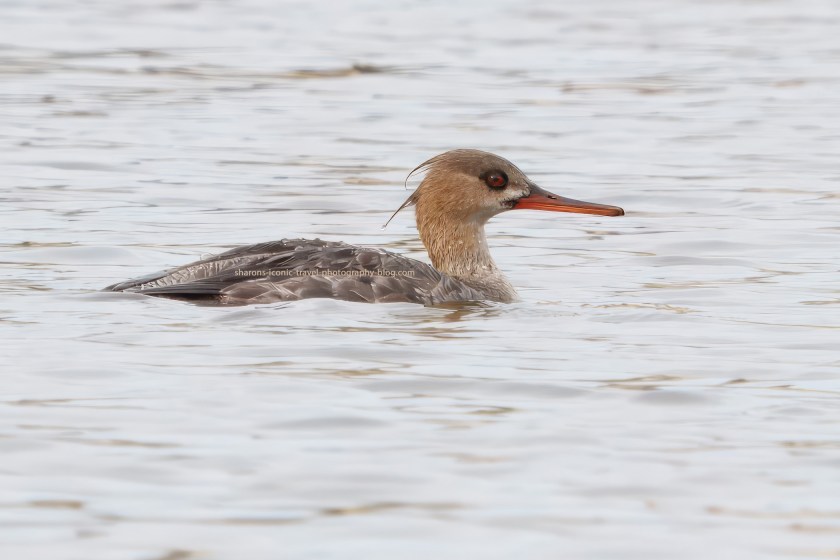
Red Breasted Merganser 2

I got another chance to see this bird this week. It was about a mile south of where I saw it last. It is a juvenile male red-breasted merganser or a female.

It came to the mouth of a creek emptying into the Hudson River, but it originally stayed on the bank opposite me at quite a distance. Then it flew off.

Some geese started hanging out close to me for a while. It flew back, but this time closer to where I was. Not as close as I would want, but I will take it. My neck of the woods is in this type of merganser’s migration area. Where I took this photo appears to be above the area non breeding mergansers of this type would stay. Their breeding area is in the north of Canada. I have not seen any adult male mergansers around.

You never know what you will see. Happy Easter if you celebrate it!

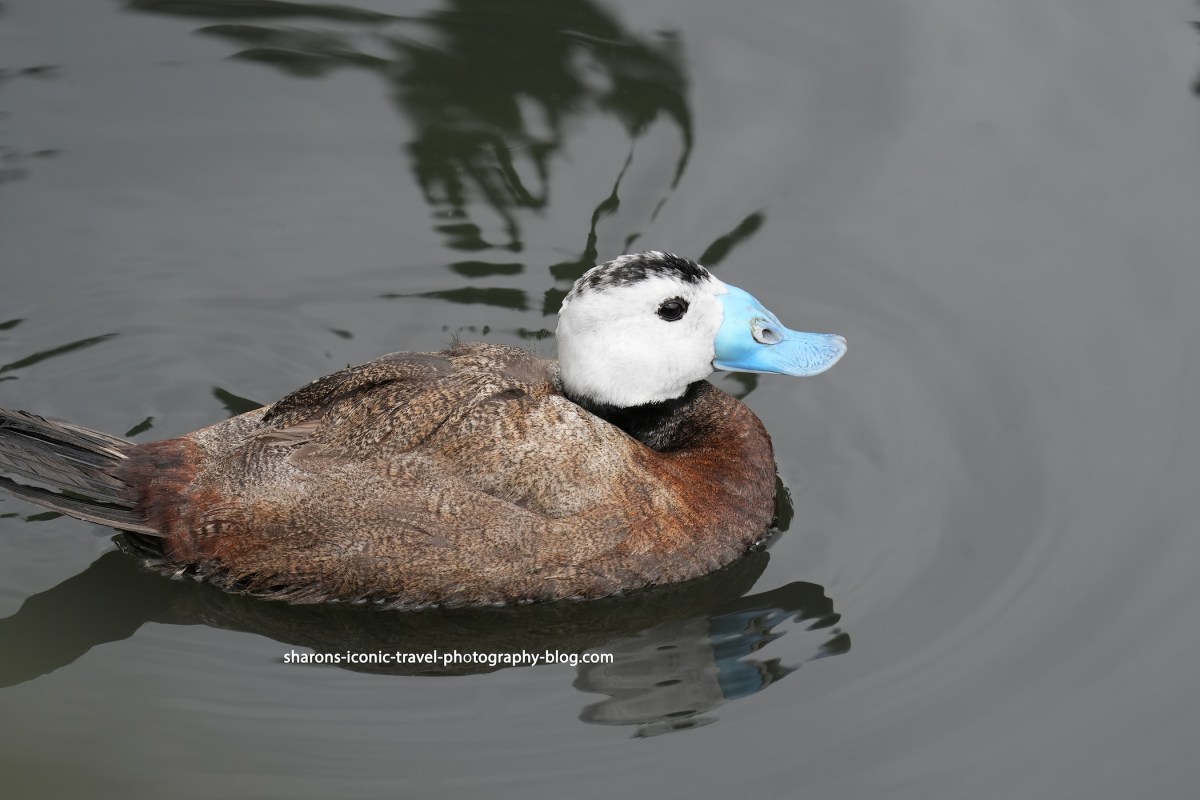
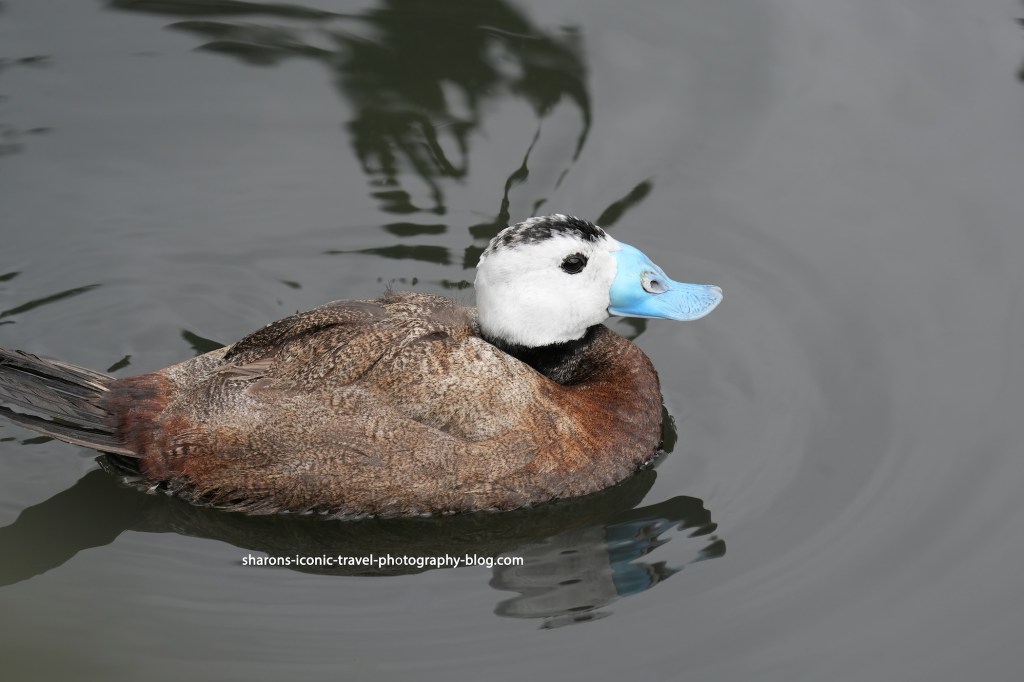
White-Headed Duck

This is a white headed duck. I only got off one shot where its head was raised. They seemed to be sleeping with their head in their body. This is another bird I photographed on a body of water near the Thames in London.

White-Headed Duck- appears to be a male

According to eBird, White-Headed Duck males “have a striking white face and black crown that contrasts with their large blue bill and chestnut body.” They are a diving duck with a long tail. Unfortunately I did not get the whole of it’s tail in one picture.

Personally, I would have named it related to it’s blue bill. Have a great Friday!

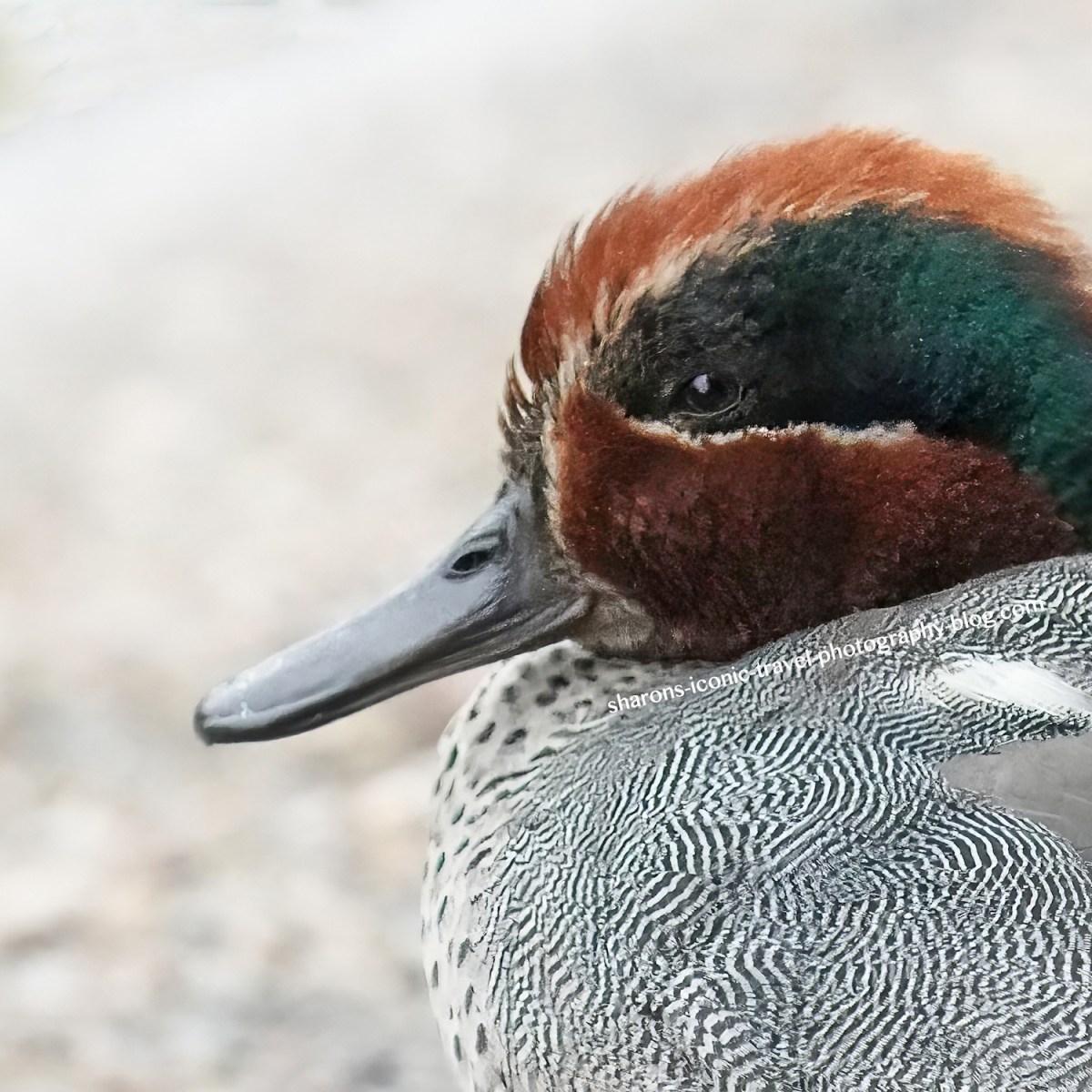
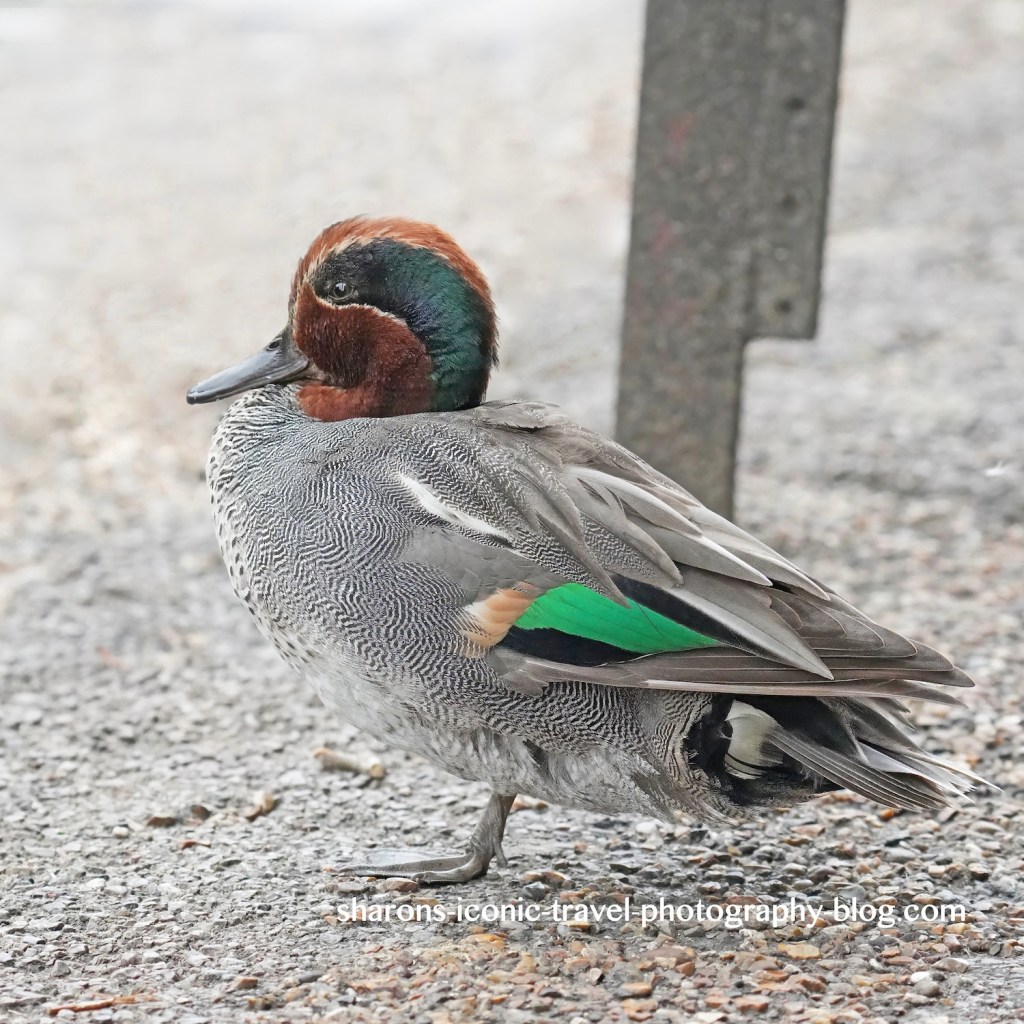
Green Winged Teal

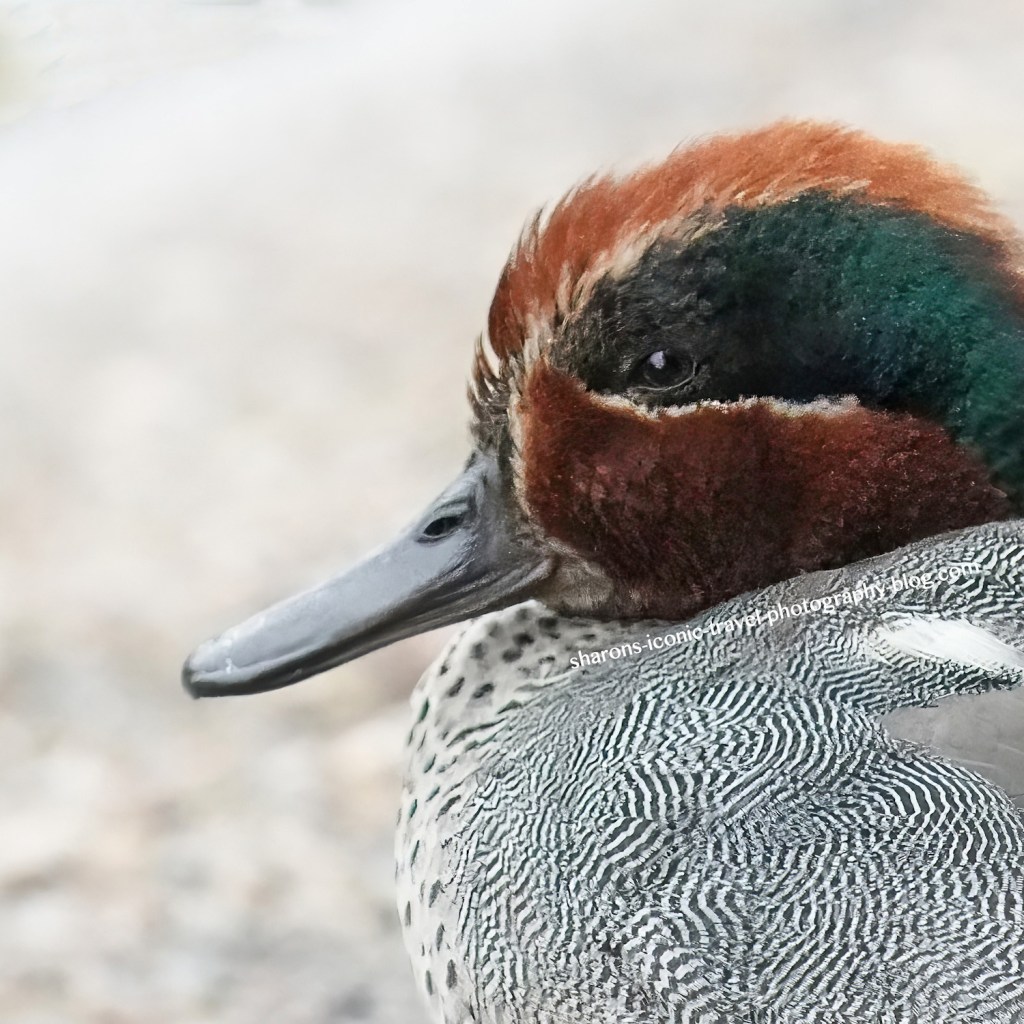
I believe this is a green winged teal. If I am wrong let me know. This is one of the many birds I saw in London in one of the parks.

Green Winged Teal

The green winged teal is a dabbling duck. According to Ducks Unlimited they visit shallow waters such as flooded fields and marshes. They feed by tipping up rather than diving.

Green Winged Teal

I am still going back to the many bird photos I took in England and trying to identify them. Happy Columbus Day if you are in the U.S. Happy Thanksgiving if you are in Canada!

Mystery Bird

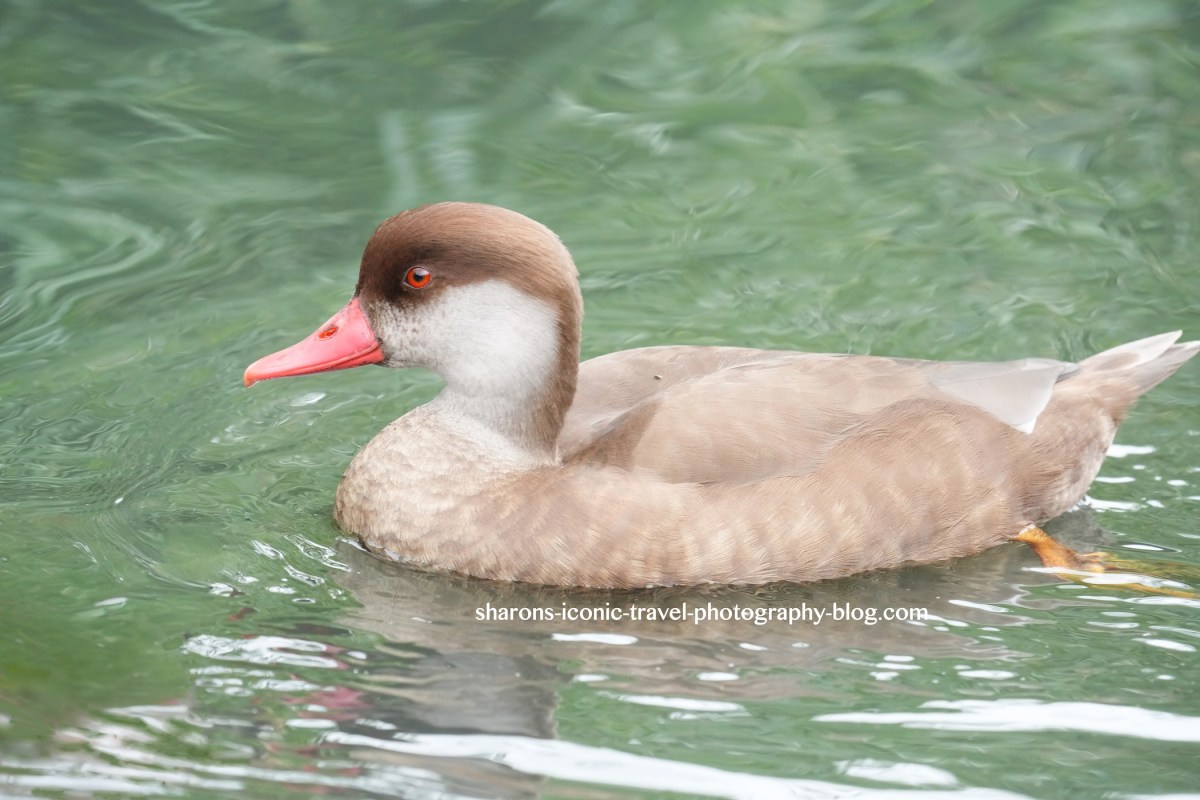
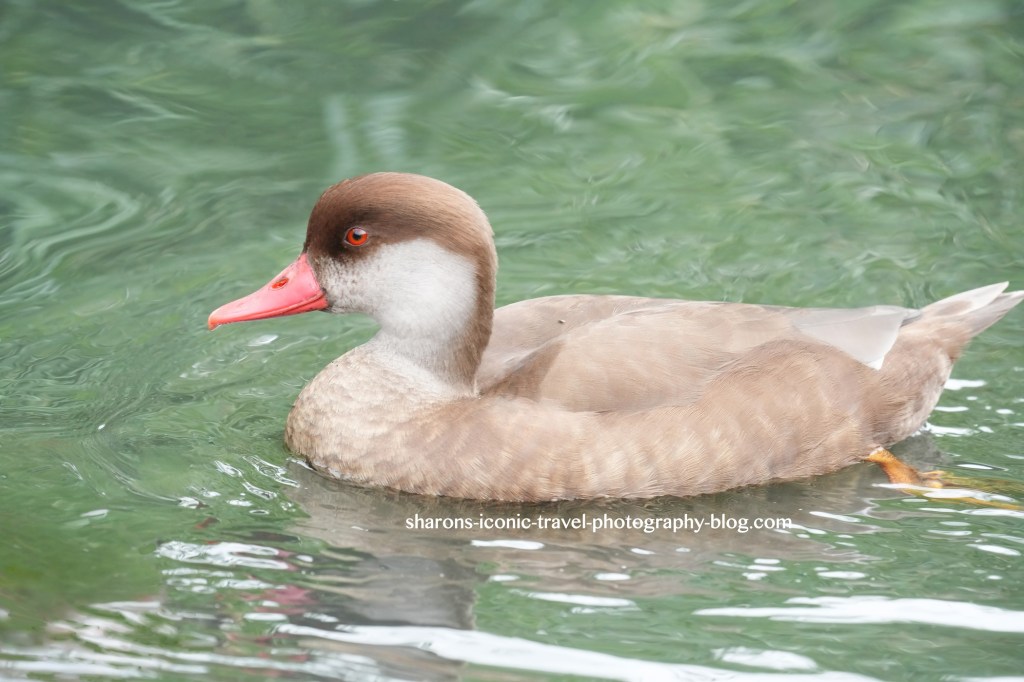
All you bird experts out there, I need your help. Can you identify this bird? I assume it is a duck, but I ran this through Merlin North American and Europe and nothing seemed to be an absolute match. I am far from an expert.

Mystery Bird

It appears to have red eyes and an orange beak. The colour on top of its head is a darker brown. I do not know if this is a juvenile or an adult. I saw this in one of the parks in London. That of course does not mean necessarily that it is native to Europe. What are your thoughts? Can anyone identify this mystery bird? Or could this even be a hybrid cross between two birds?

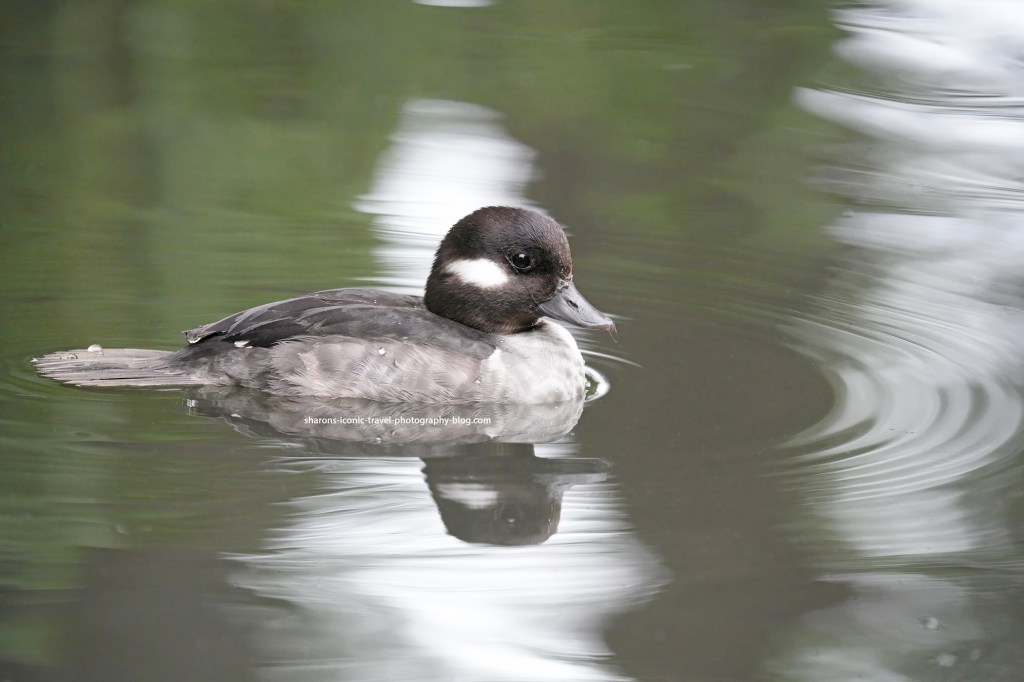
Bufflehead

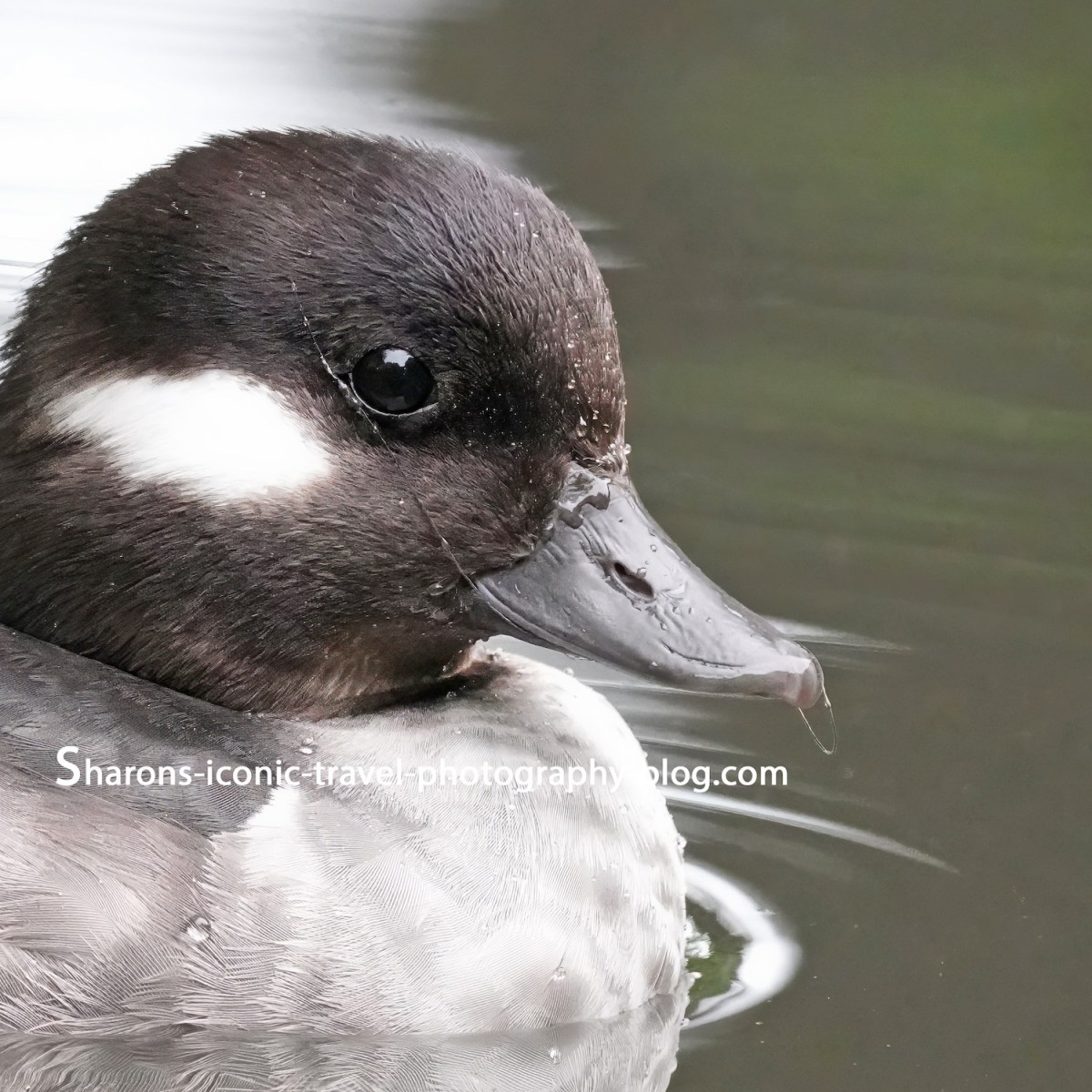
Some birds that are native to North America, I have not seen in North America. One such bird is the Bufflehead. I saw this bird for the first time in London, England.

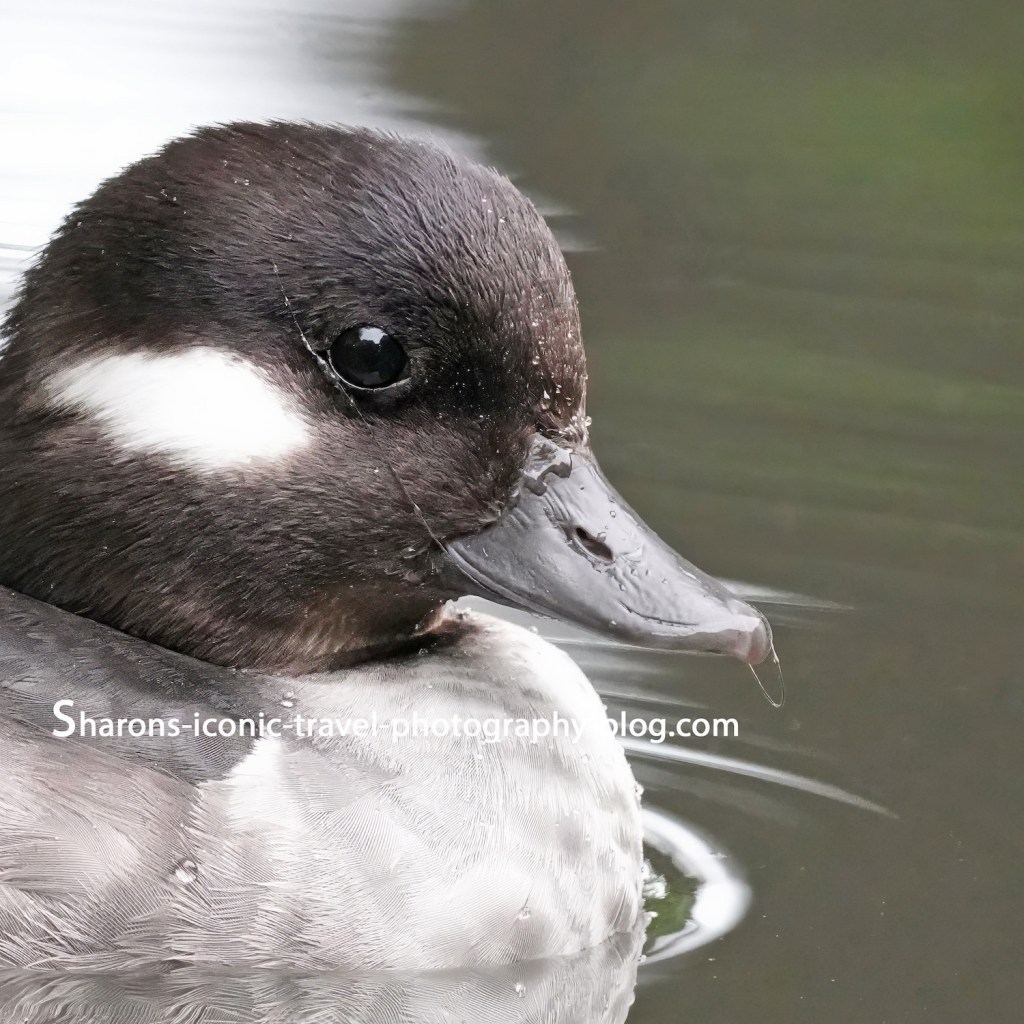
Bufflehead – female

There are sightings in England and Europe for these on All About Birds. I was kind of thrown off in identifying this diving duck. I am far from an expert and the colouring listed online for a bufflehead female appears to be brown, but in these images the duck appears to be black. I will have to look through my pictures more, but I do not think I captured a male. This female was on a pond on a cloudy day. The pond was mostly well shaded by trees hanging over it creating an even darker situation.

Bufflehead – female

In multiple images not taken in consecutive order it appeared maybe a hook was in its beak. I could be wrong, but to be on the safe side I contacted the entity responsible for the pond and they were going to check it out.

Again, I would like to emphasis that sometimes what many think is not the best lighting can still create nice lighting for your images. Don’t discount the cloudy days.

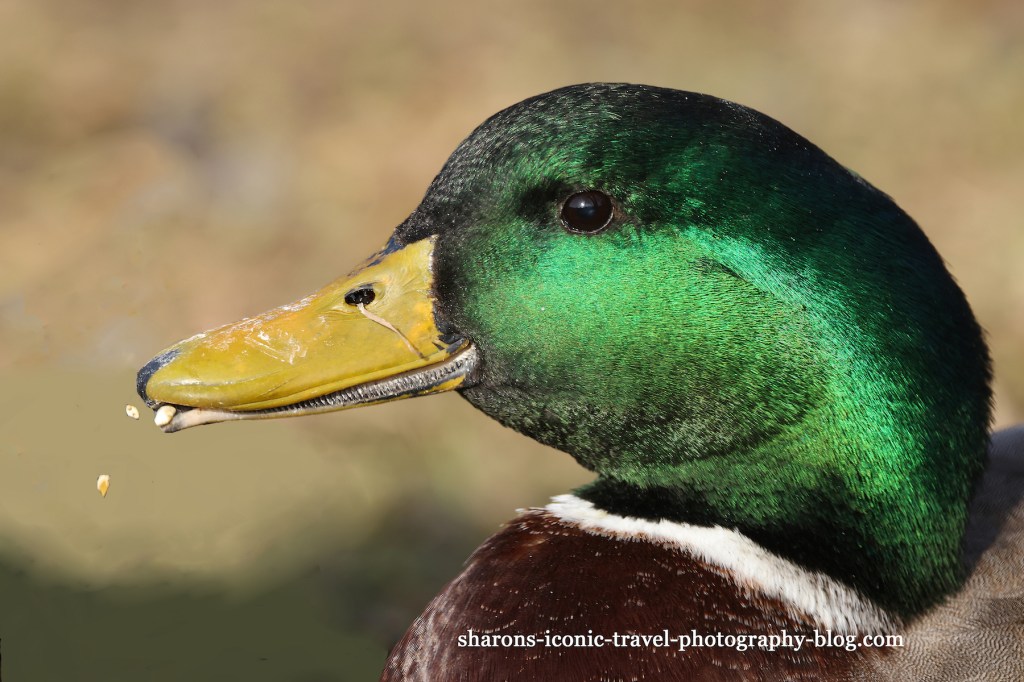
Male Mallard Headshot

We have experienced a lot of rain and many cloudy days since the start of summer. This picture of a male mallard was taken on the Hudson River when a break in clouds formed. It was a short window.

Male Mallard Headshot

This male mallard is enjoying some corn. Try to enjoy the sunshine, even if it is only in short spurts.