Two For One Deal

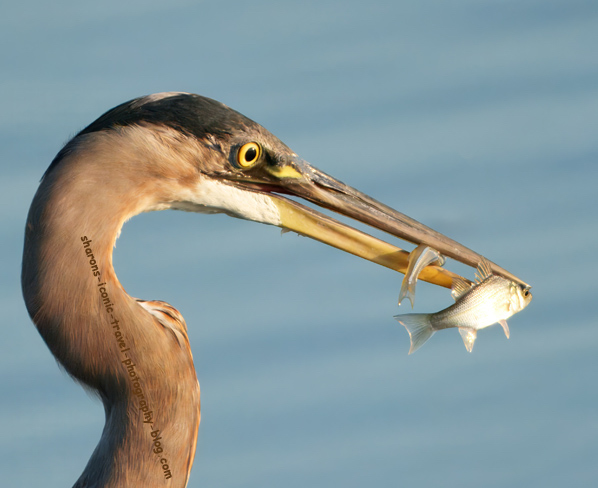
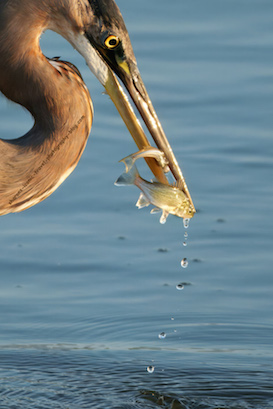
This great blue heron had the best fishing spot. He was at one end of a culvert under a road while the tide was going out. He was catching fish left and right. This time he caught two fish at the same time.
Two For One Deal
Two For One Deal

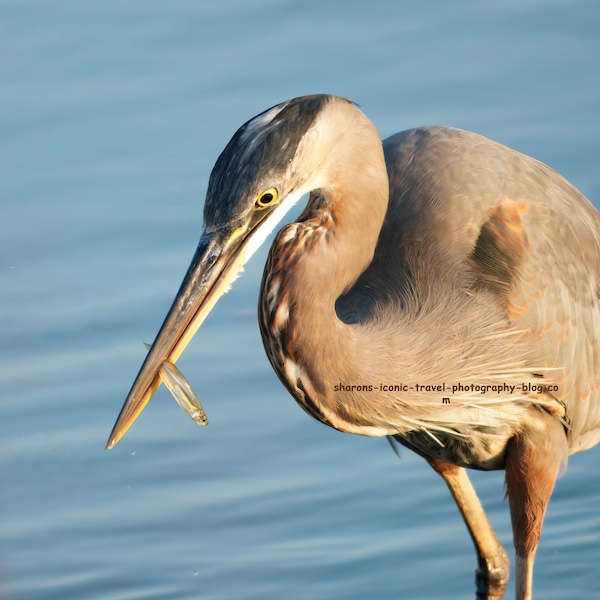
He was the centre of attention as other wading birds stopped, drew near and stared at him. Were they in awe of his fishing prowess? Did they hope he would drop one and they could fight over it? Did they hope he would share with one of them? He did drop them both it appeared as he waded to a beach area. Then, he appeared to pick the larger one up and eat it.
Two For One Deal

Then he walked off with the smaller one as the wading birds lost interest. Have a Happy Tuesday!
White Ibis Babies

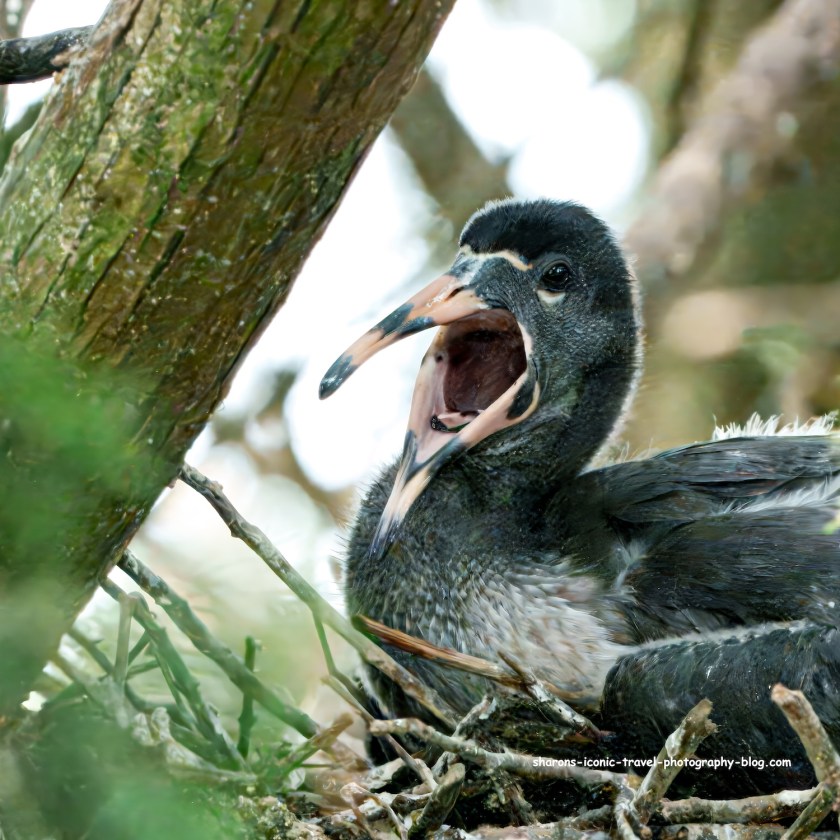
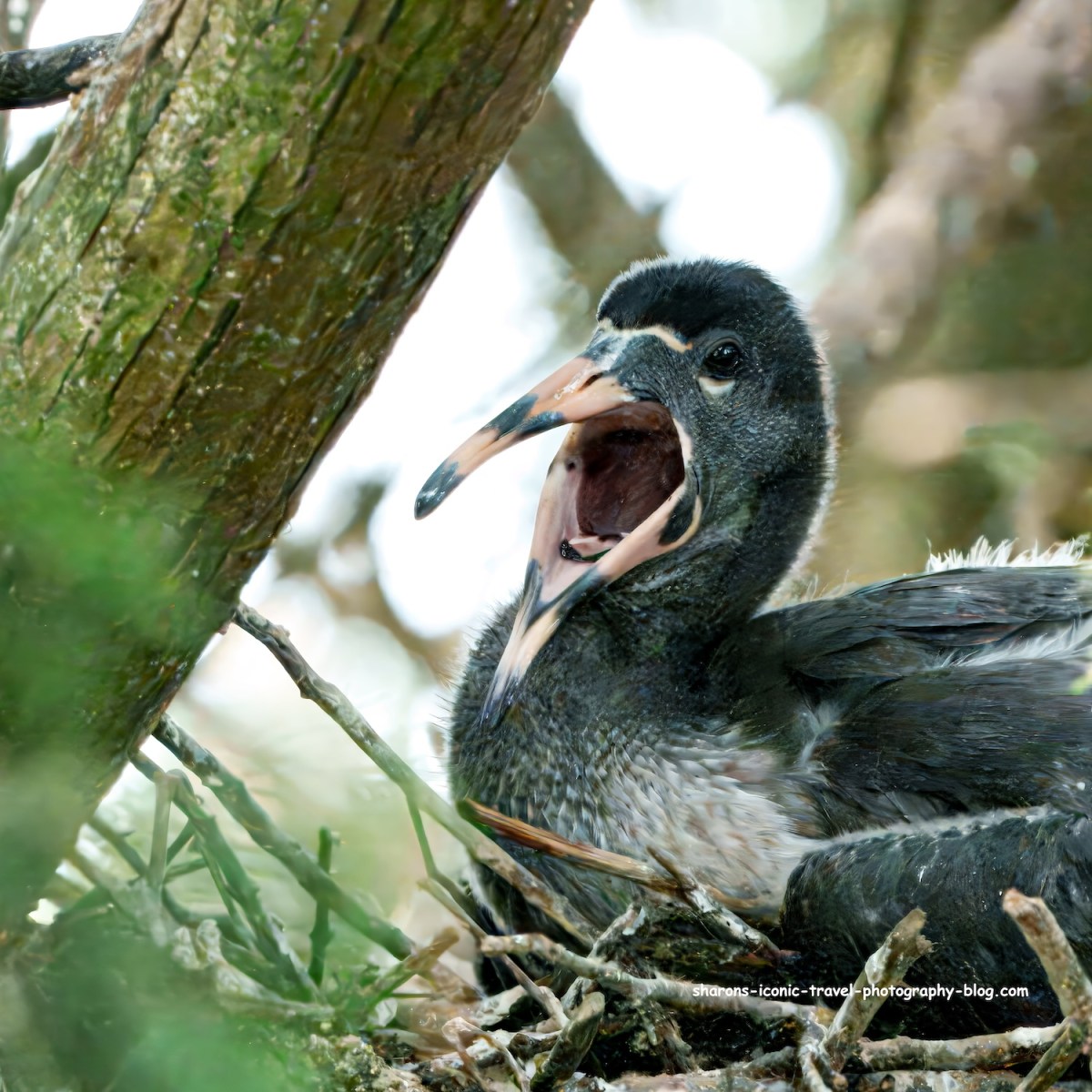
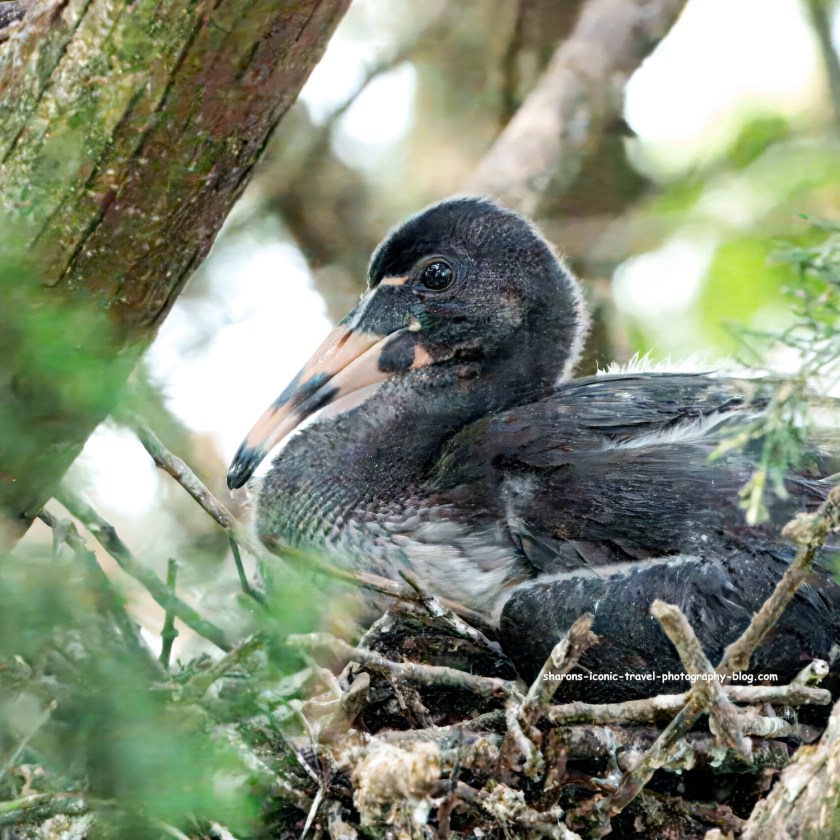
These white ibis babies were younger than the previous ones I posted. It looks like this one is on a small nest within a tree. The babies do not really look a lot like the parents.

White Ibis Babies

When baby Ibises hatch their bills are straight. They do not curve. The beaks start to curve at about 14 days old. I usually do not like using Wikipedia. They say they get this “Stork, Ibises, and Spoonbills of the World” by James Hancock , which was not accessible online. “The newly hatched American white ibis is covered with violet down feathers, deepening to dark brown or black on the head and wings….develops three black rings from around day six, before turning grey by around six weeks of age. ..then a few weeks later turns pink.”

White Ibis Babies- Tired

On the above two pictures you can see the three grey rings on the beak. So in August this baby white ibis was after 6 days old, but before 6 weeks old.

White Ibis Babies

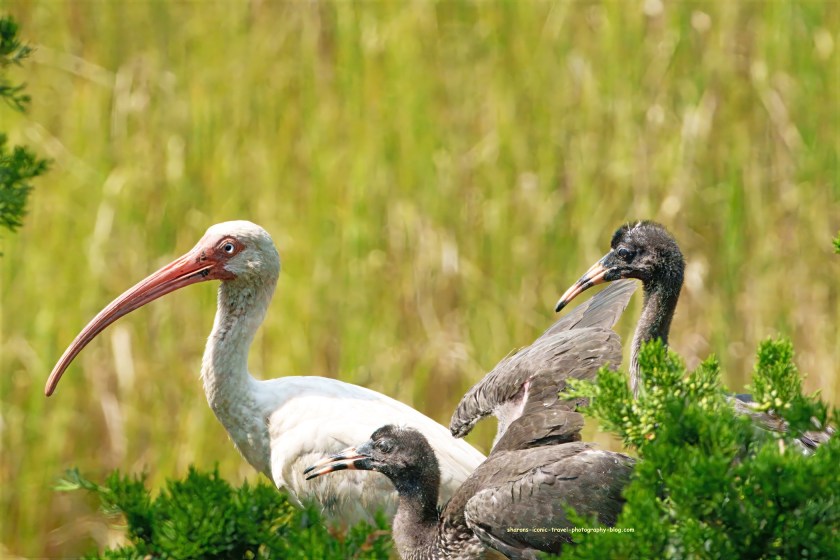
According to NPS.gov immature ibis are dark brown with a white belly and white rump.These ibis seem to be older than the first two pictures. They would seem to be less than 6 weeks old though as they still have the three gray rings on their beak. Their feathers seem more brownish.

White Ibis Babies

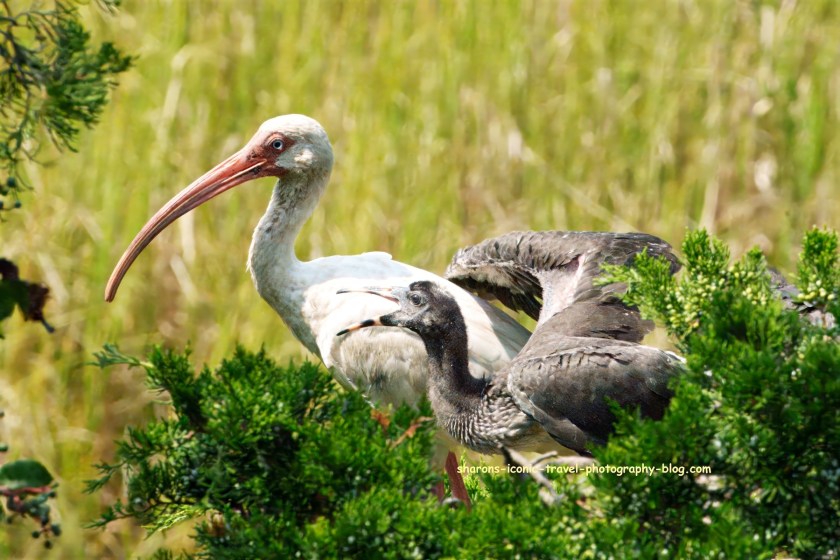
I felt bad for the mom with the two babies. They seemed to be constantly chatting away to her. I am guessing they were begging for food. Animal parents get little sleep either it appears. White Ibis are not even supposed to be in NJ, however they are there in multiple spots. The Merlin App would not even provide a match for it. I hope you had a restful Labor Day.

Yellow-Crowned Night Heron

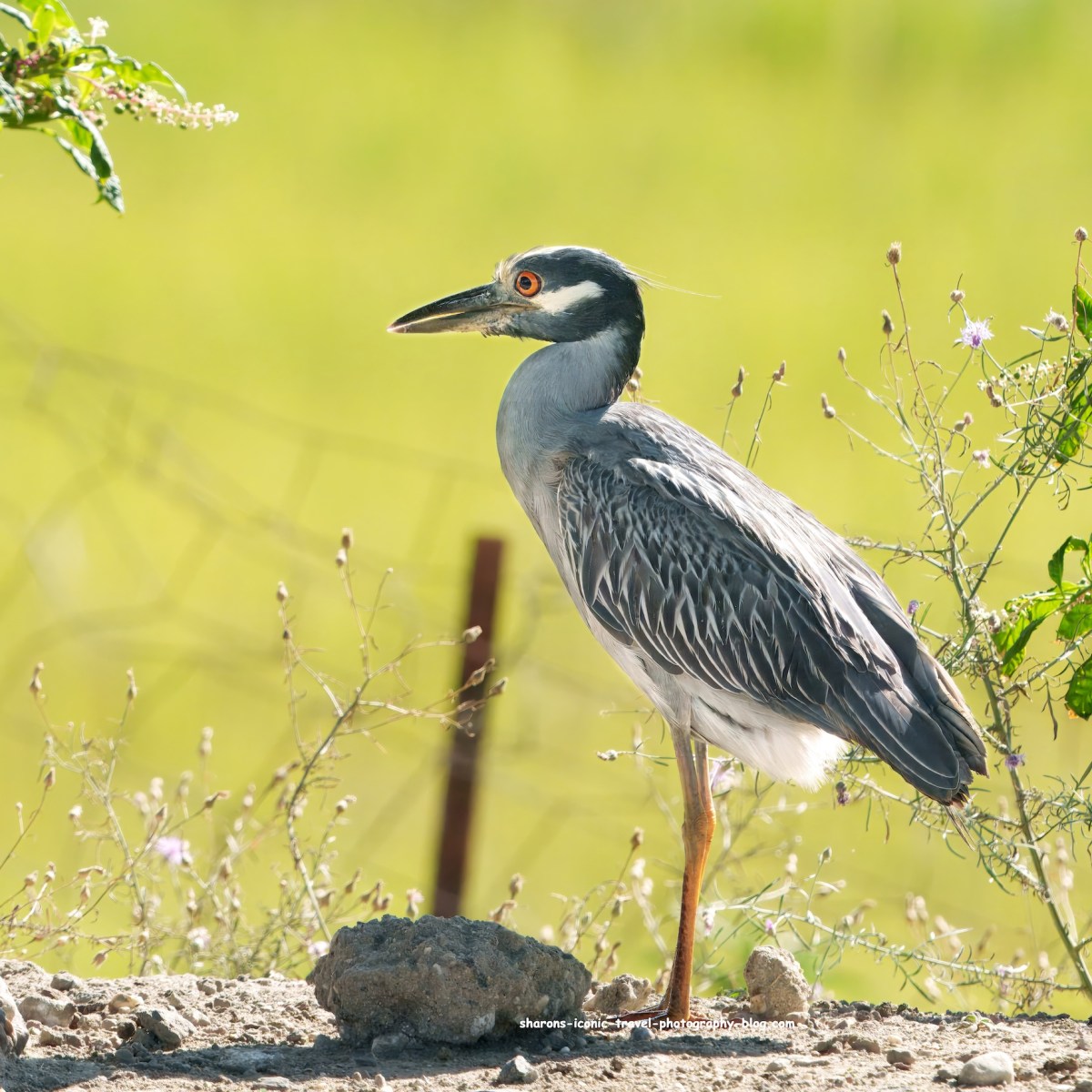
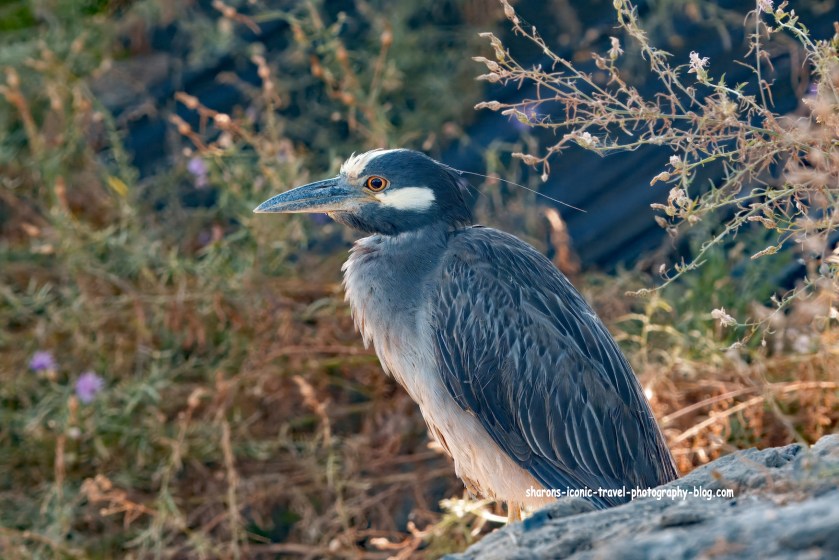
I spotted this bird on a short trip to New Jersey in a pond near the ocean. New Jersey is in the breeding area of the yellow-crowned night heron. The Merlin app identified these birds as yellow-crowned night herons. I believe this is the first time I have seen this bird.

Yellow-Crowned Night Heron- Adult

The adults  are grey with a black head and large white cheek patch, and a creamy yellow crown that sometimes appears more white.

According to All About Birds they are a wading bird that eat: marsh crabs, fiddler crabs, ghost crabs, mole crabs, mud crabs, blue crabs, lady crabs, green crabs, rock crabs, and toad crabs. They also eat mussels, insects, scorpions, frogs, tadpoles, fish, small snakes, turtles, young birds, and small mammals. 

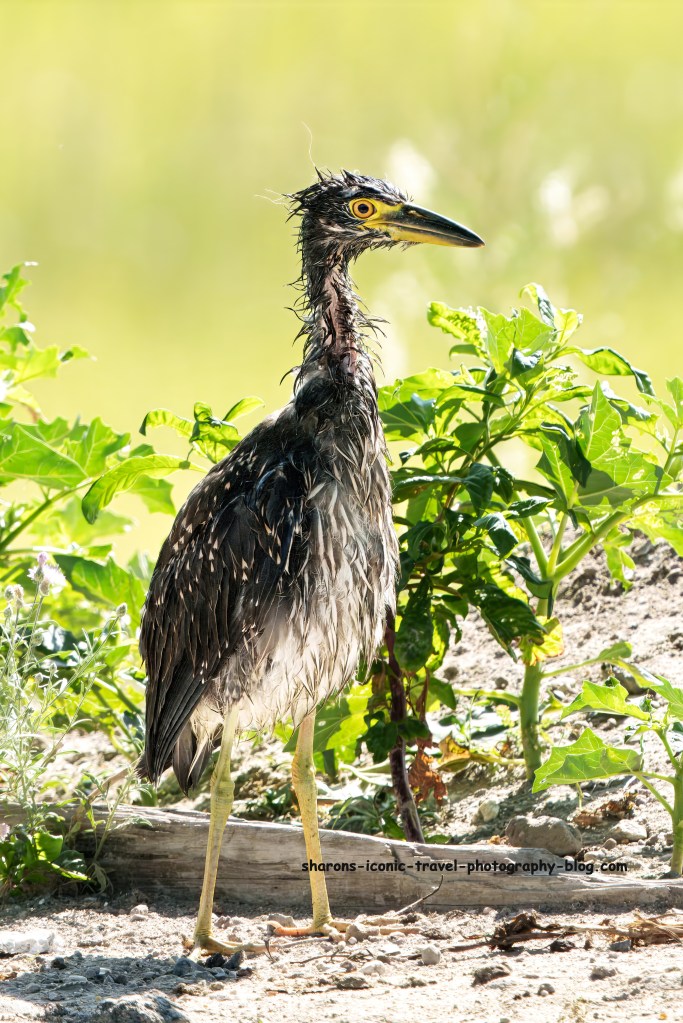
Juvenile

Yellow-Crowned Night Heron – Juvenile

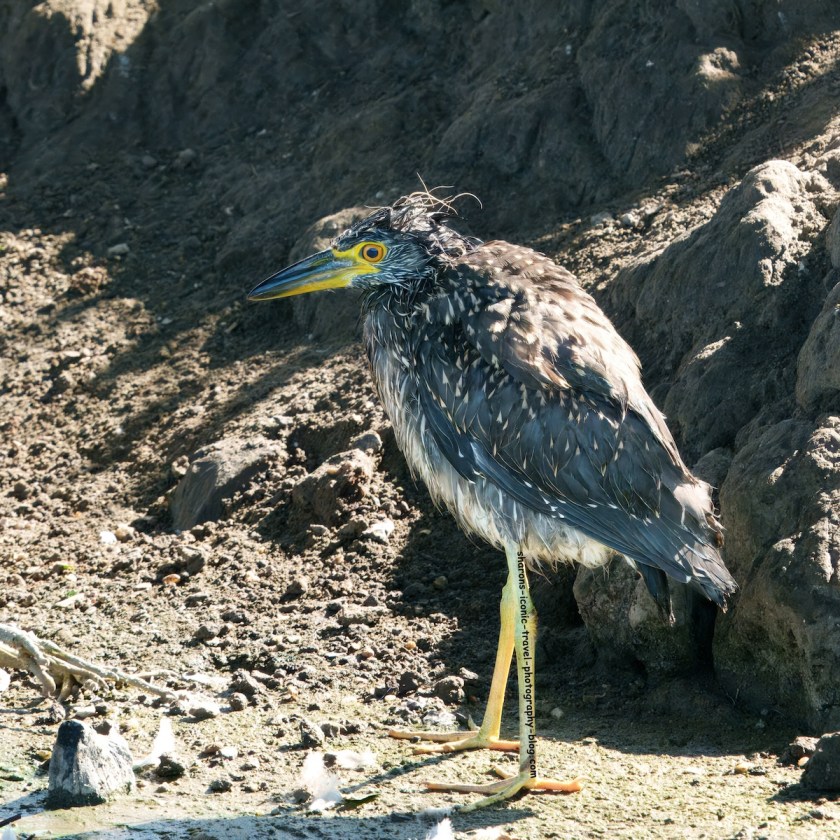
Juveniles are brown with white spots on the back and wings. The legs are yellow to orange yellow.

Yellow-Crowned Night Heron – Juvenile

I saw the juvenile near the adult. When the adult went to the top of the bank, the juvenile followed shortly thereafter and stood near it. I did see some juvenile herons in a rookery, but could only see their heads and part of their bodies so I am not sure if they were black-crowned or yellow-crowned night herons. Happy Friday!