Brown Pelicans of Assateague Island

What do people think of when they hear of Assateague Island? Many think of the wild horses and the pony swim from Assateague to Chincoteague Island. The pony swim was yesterday. However, there is much in terms of wildlife to see at Assateague. One bird that is prevalent is the brown pelican.

Breeding Adult Brown Pelicans

Brown Pelicans of Assateague Island

I made a world wind trip to Assateague earlier in the week. I injured my knee a few months ago and only have small windows to make short trips. Brown pelicans like to fly above the surf. I have seen them early in the morning at sunrise and at other times during the day.

Brown Pelicans of Assateague Island

They will fly solo or in small groups.

Brown Pelicans of Assateague Island

Sometimes they gather together in small groups on the beach or out beyond the surf. I was lucky to see the two above on the beach. Maryland and New Jersey are in it’s breeding range.

Juvenile BRown Pelicans

Brown Pelicans of Assateague Island

Juvenile brown pelicans are mostly brown. The adults have more white around their heads. A few juveniles were hanging out with some adults.

Brown Pelicans of Assateague Island

According to all About Birds, “They have thin necks and very long bills with a stretchy throat pouch used for capturing fish.” They scoop them up in their throat pouches, which are expandable. According to the NPS.gov site they also use their neck pouches to cool off on a hot day.

This year was the first trip I have seen the pelicans this close. They flew closer to land at the beach and over land. I have not seen them standing on the beach before on previous trips. Even though I only had a short window it was a great trip.
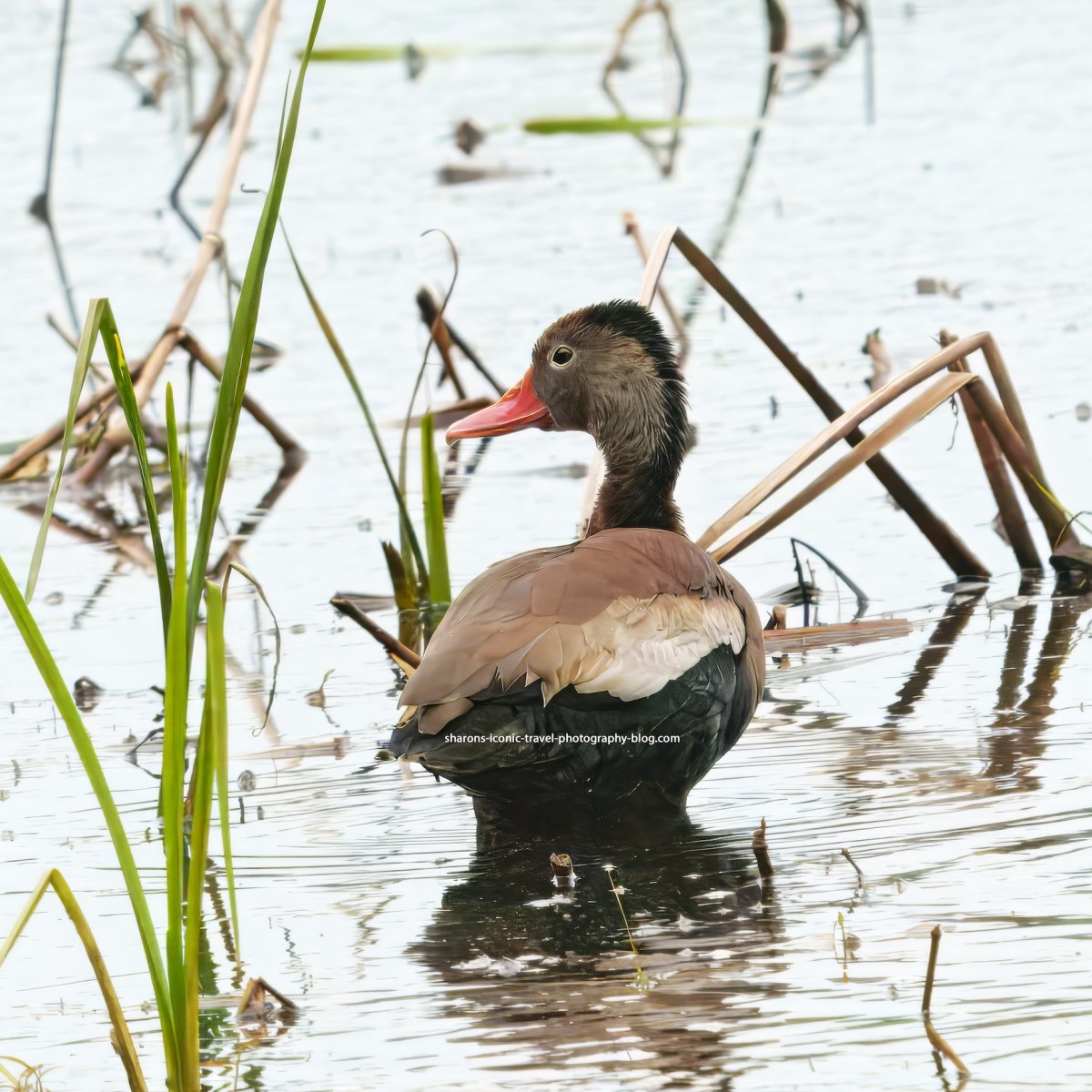
Are You Lost?

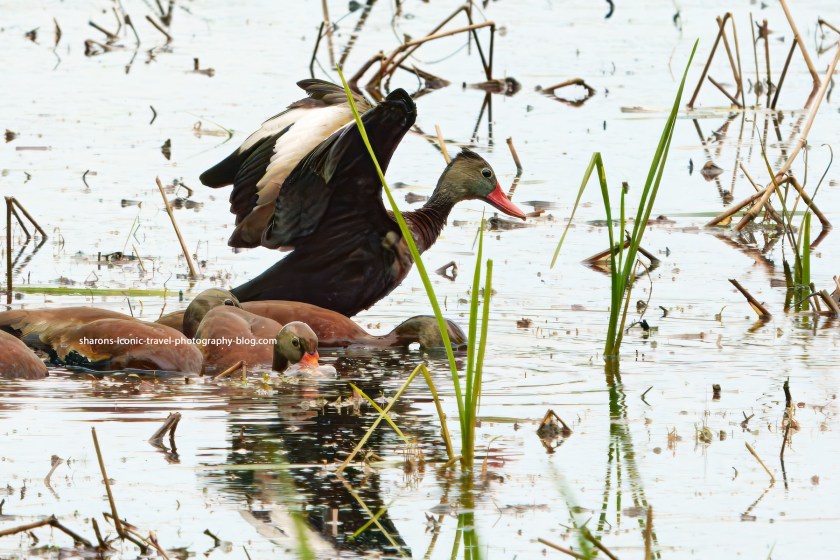
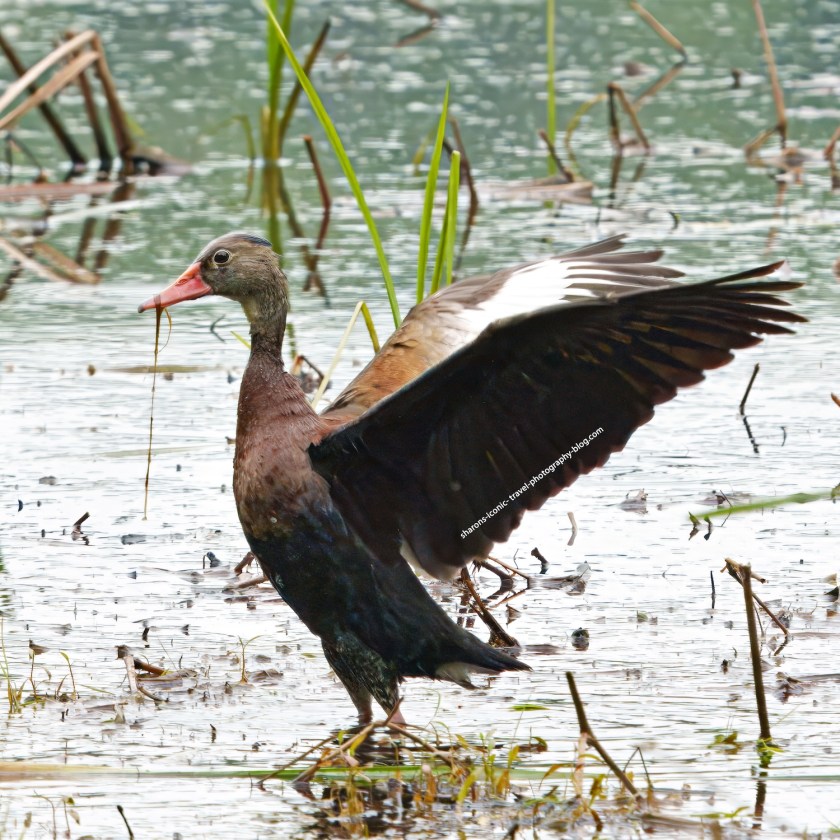
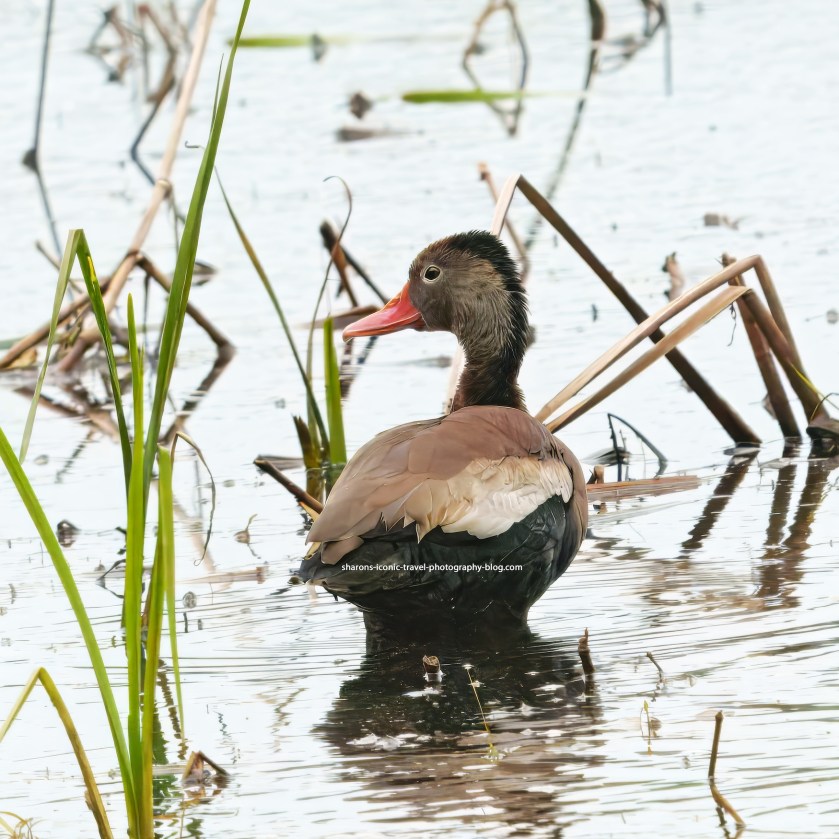
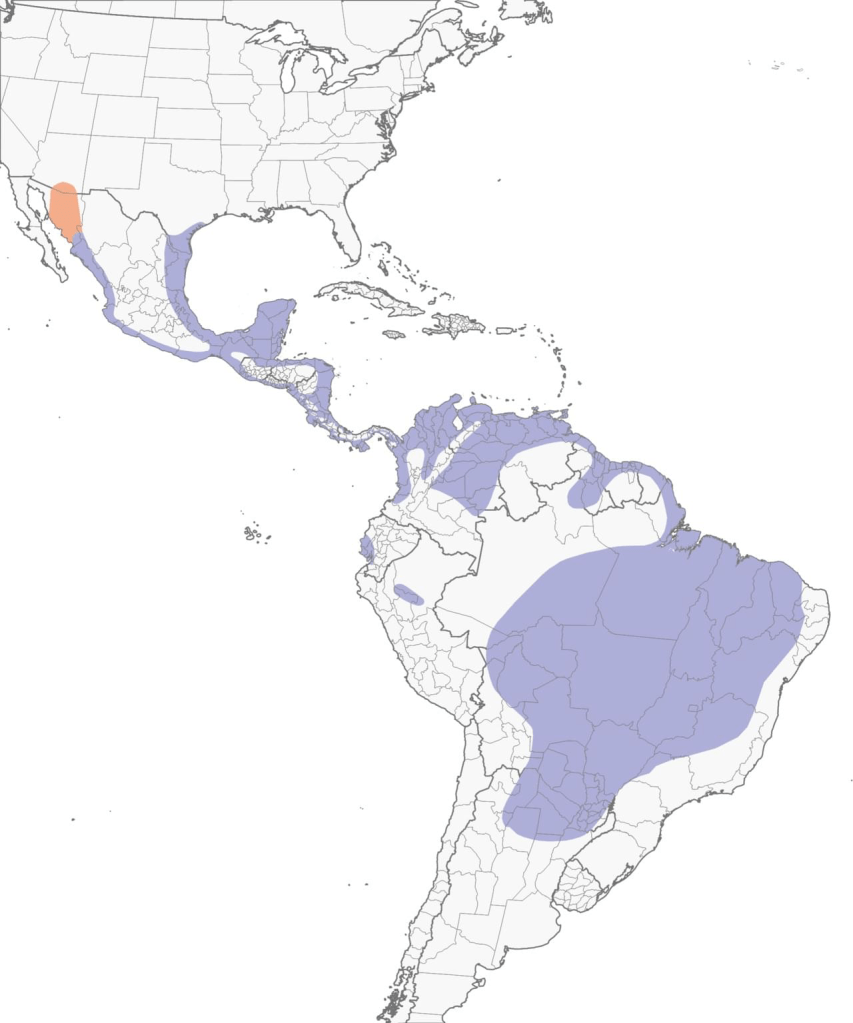
The black-bellied whistling-duck lives along the coasts of Mexico, Central and South America and small slivers of Texas and Arizona. Which location did I see this duck? None of the above. I saw this in New York.

From All About Birds- The shaded areas show where they normally are.

According to All About Birds these are the locations these ducks should be in the shaded areas of the map.

Are You Lost? Black-Bellied Whistling-Duck- They spent a lot of time with their heads under the water. They eat grasses and and a variety of aquatic animals including snails and insects. All About Birds says they typically forage at night. They dabble in ponds or forage in fields.

It is going back and forth between a river and a pond like area. It is not alone but with a few others of its kind. Why is it here? Did a storm blow it all the way up here? Is this a result of a dwindling food in its normal spots? Are birds loosing their directional sense? Do they have wanderlust? Is it getting too hot in the areas they normally are? Did someone capture these or buy them to have in the US and they successfully staged a group escape? It is a mystery.

Are you lost?

If they nest up here, nest predators would be raccoons and rat snakes. Great horned owls could take the adults. There maybe a great horned owl family nearby and I almost stepped on a what looked to be a black rat snake. Being near a river, there are bald eagles close by.

Are you lost?

These pictures were taken from a road with a zoom lens and were cropped. I will not go where I am not supposed to be. I do not go on private land without permission. It was a cloudy, dark day. We have had a lot of those. Maybe in the future if these creatures are still there, I can capture them in better light. Expect the unexpected. Happy Thursday!

Superb Owl Sunday

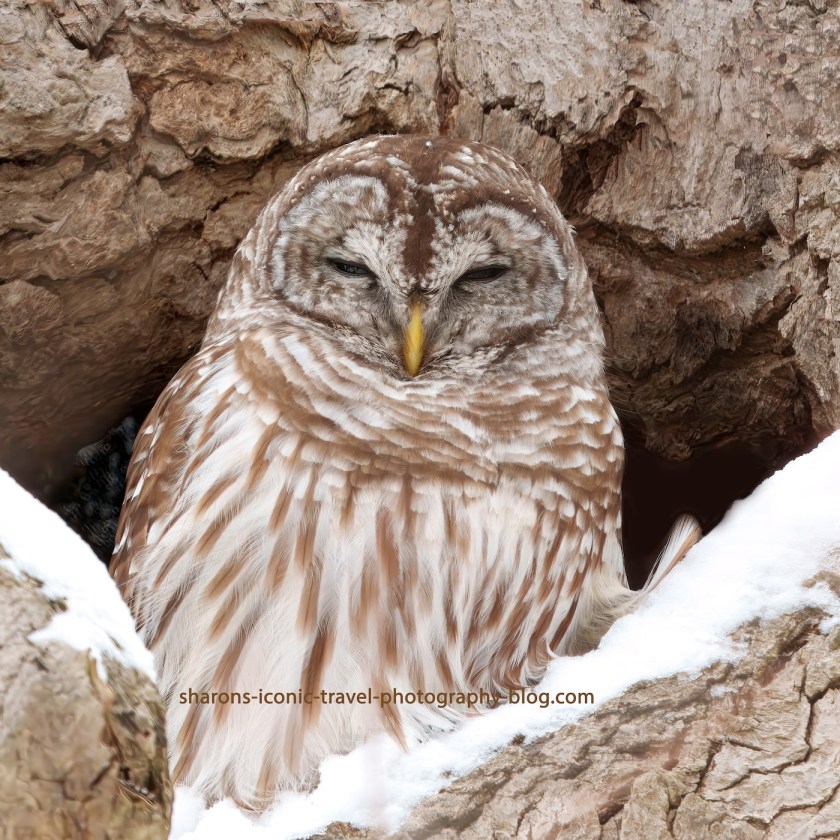
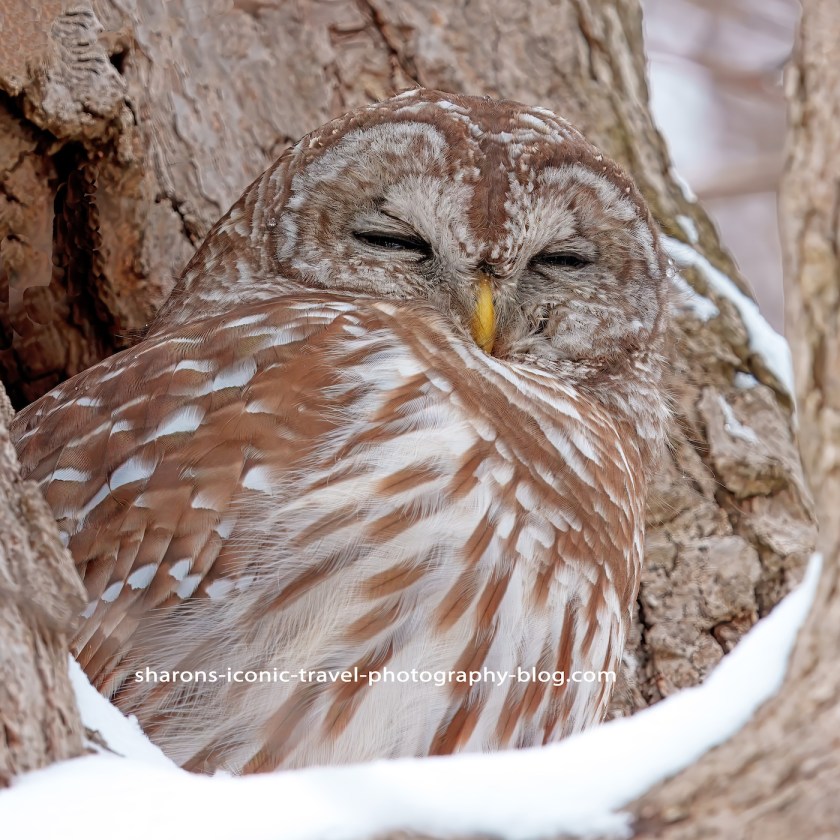
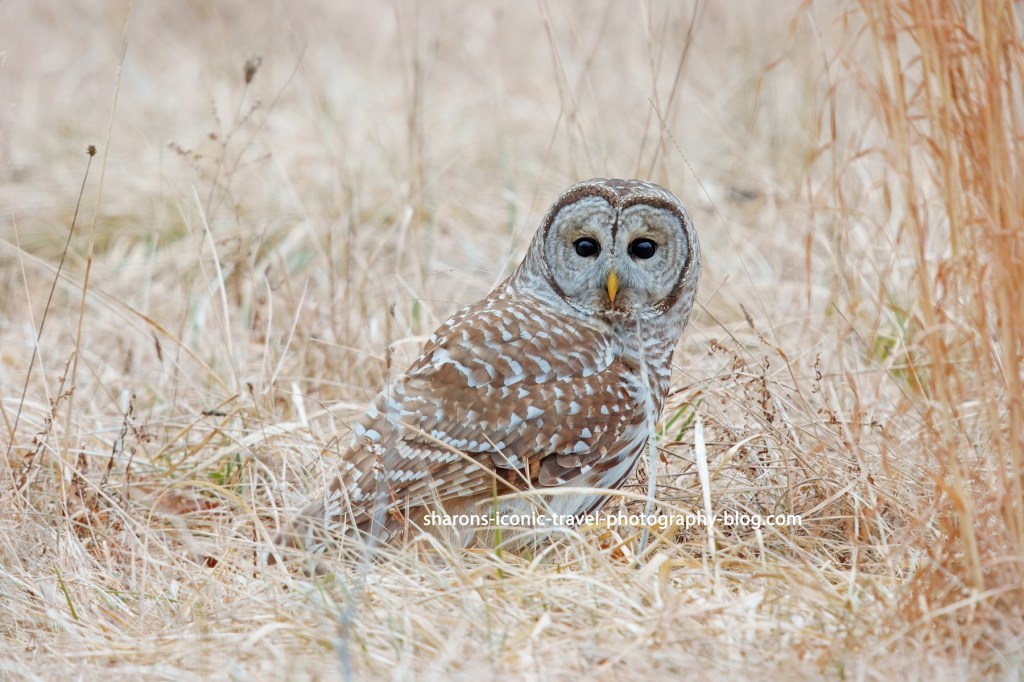
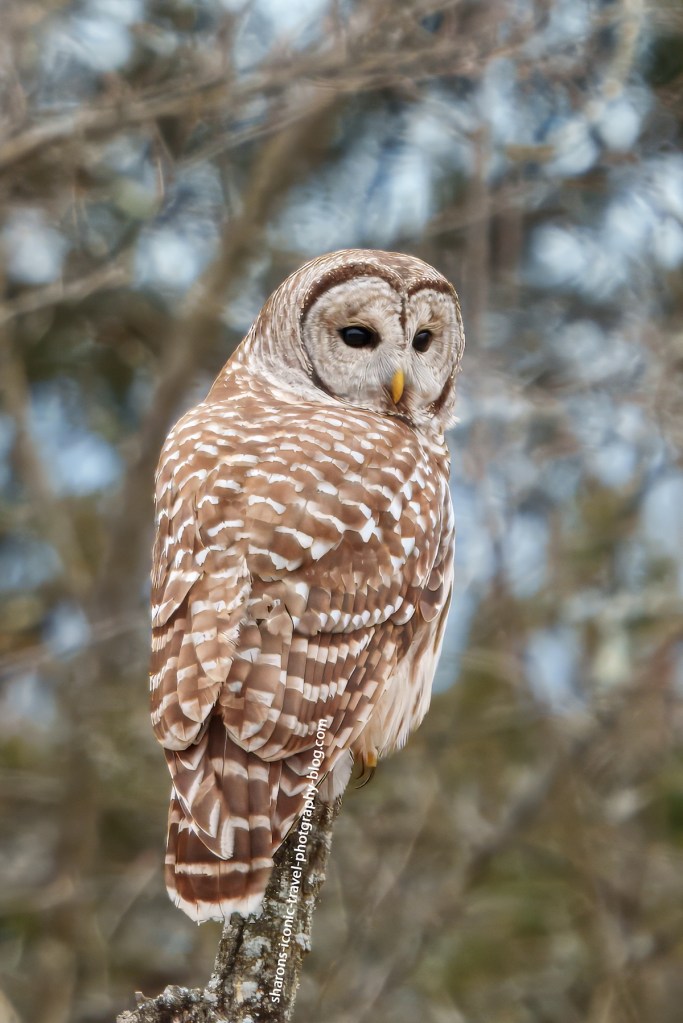
What is Superb Owl Sunday? It is a day to celebrate owls while others are immersed in football. Some go on hikes, trips to the zoo, or a wildlife refuge where owls have been known to be. Here is one kind of owl I saw recently: the barred owl.

Superb Owl Sunday

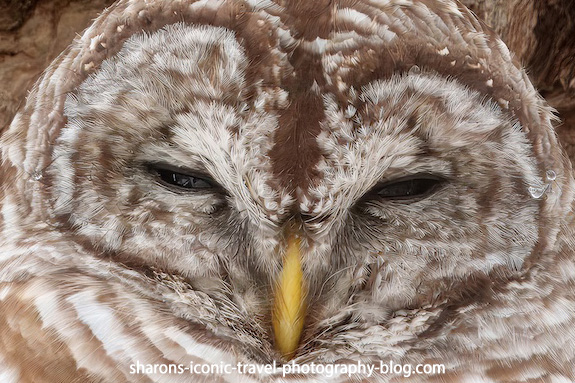
We have experienced a few minor snow storms to date that have only left a few inches of the the fluffy white stuff. This was after one of these storms. This owl did not look too happy about it.

Superb Owl Sunday

It was a dark and dreary day after the snow fall. When I took the above picture it was from an angle with less light. This the the first time I have seen a barred owl sitting parked in a tree hole. I have seen the owlets do this, but not an adult. The parent will stay inside the hole in side the tree when there are eggs and when there are owlets not ready to fledge. I have only seen the owlets at the hole just prior to fledging.

If you were not into the Super Bowl I hope you were able to get out an enjoy something else like the Superb Owl Sunday.

Female Northern Harrier

Northern Harriers are one type of hawk native to North America. It is one hawk I mainly see in winter.

Female Northern Harrier

Food

Northern harriers hunt small mammals and birds. They can get rabbits and ducks. During winter, when I see them, they mainly go after voles and mice. This one is carrying grass, but I am not sure if there is a vole or mouse amongst it.

Female Northern Harrier

Hunting behaviour

I have found these birds in grasslands where they fly quite low going often between the grasses. Harriers hunt during the daytime. They can also hover then dive while hunting. Harriers rely on hearing and sight to capture their prey. I have seen them chase after and steal a vole from a short-eared owl in late afternoon.

Nesting Behaviour

Northern harriers will roost in groups on the ground, sometimes with Short-Eared Owls, according to All About Birds. Because they roost on the ground, animals such as coyotes and feral dogs will go after adult northern harriers.

Female Northern Harrier

These are fascinating birds to watch. I love seeing them hover and chase after the short-eared owls. Have a great Wednesday!

Barred Owl January 2025

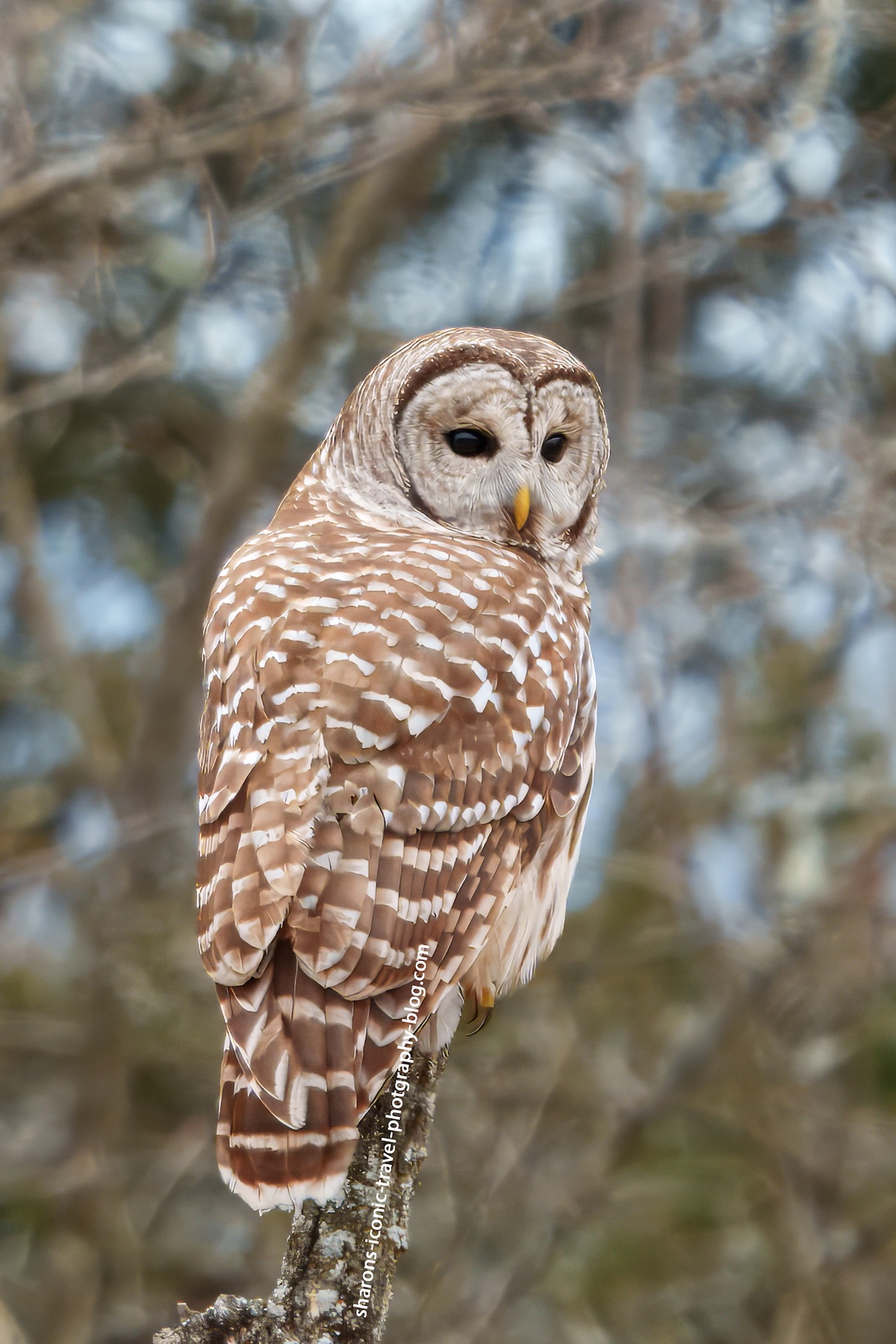
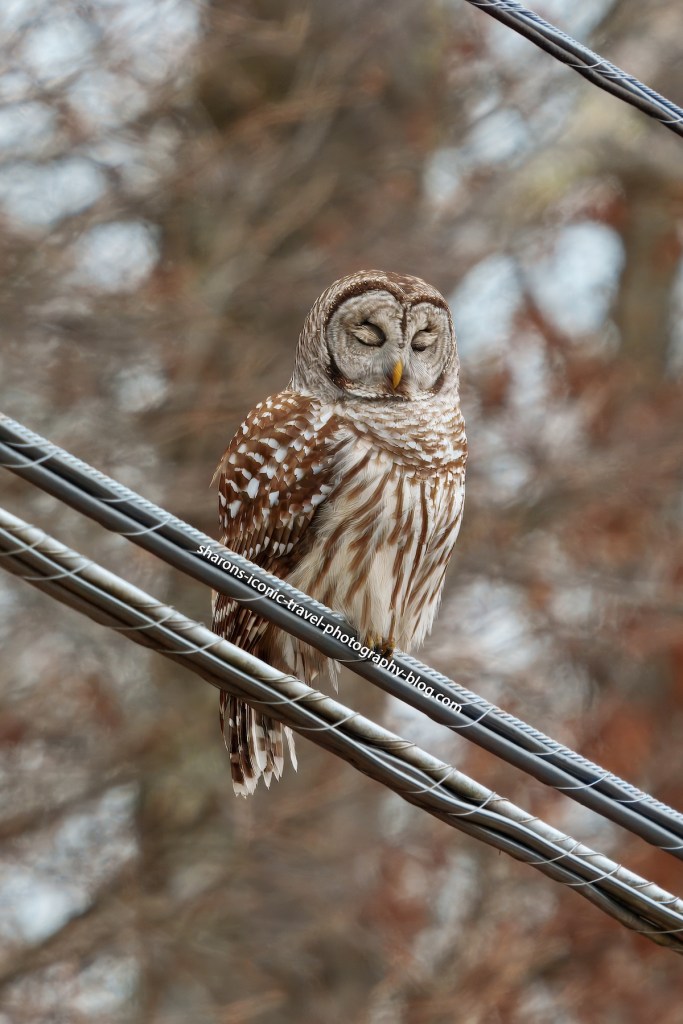
I usually only see owls deep in the woods and not in open areas. This is a barred owl. I was lucky enough to take a lot of pictures of it in a short time period from the road.

Barred Owl January 2025– Short rest on the power lines

It was on private property. One of the local home owners said they see the owl on their property daily. It rested its eyes on the power lines for a short time. Sometimes they do that to fool the animals in the woods.

Barred Owl January 2025- unsuccessful hunt in the grass

It moved to different perches and was actively hunting while I was there. Two or three different times I saw it move from a perch to swoop down in the grass. It was unsuccessful each time. It was great seeing an owl out in the open, despite it being a dark and dreary day.

Barred Owl January 2025 – hunting from a perch

Off to another perch. I was very happy to come across this owl. A local had mentioned she had seen one here a few times when she passed by, so I checked it out. It is farther away than the two families I followed this summer, so I am sure they are not related.

Stay safe! Stay warm! Have a great rest of your week!

Short-Eared Owl in a Tree Jan. 2025

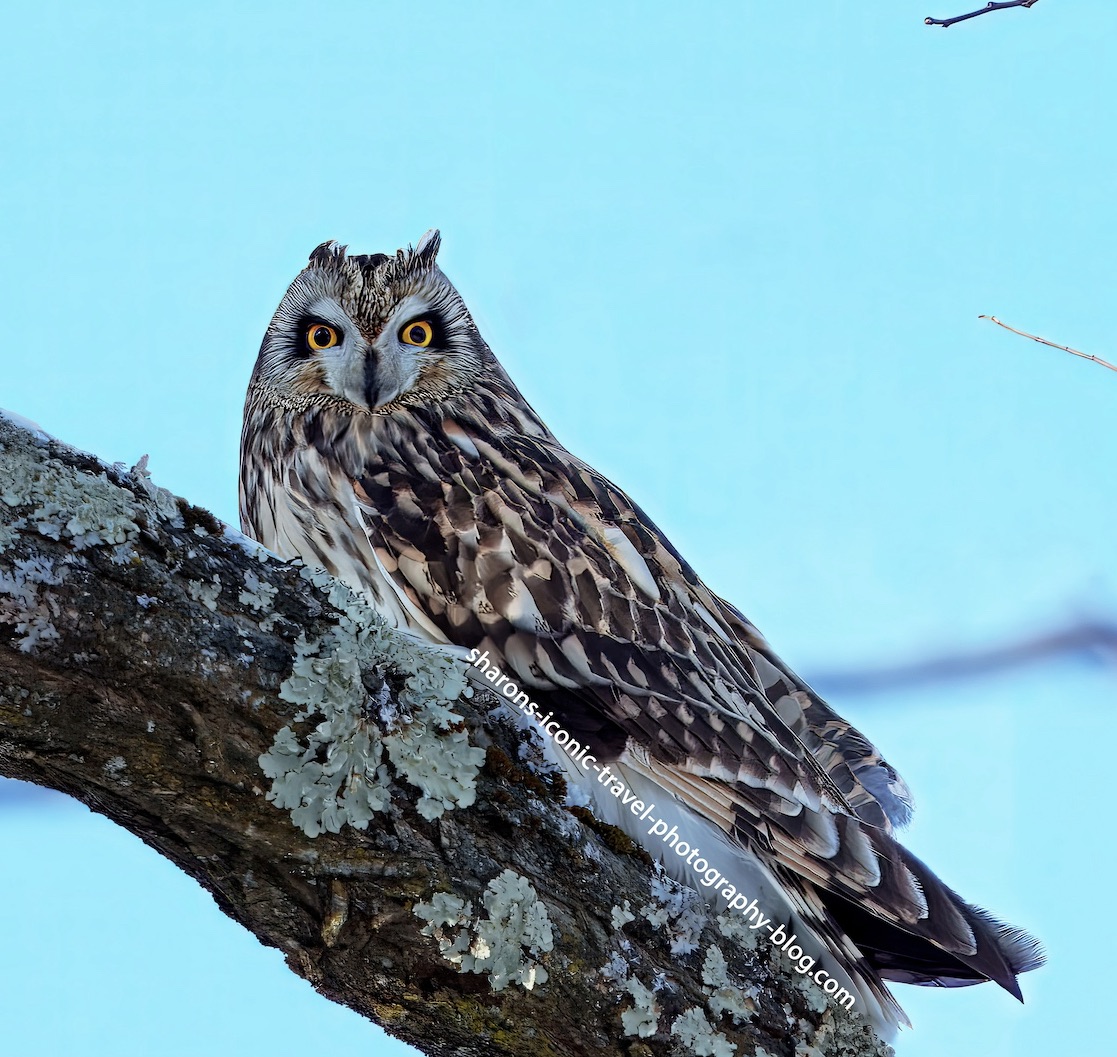
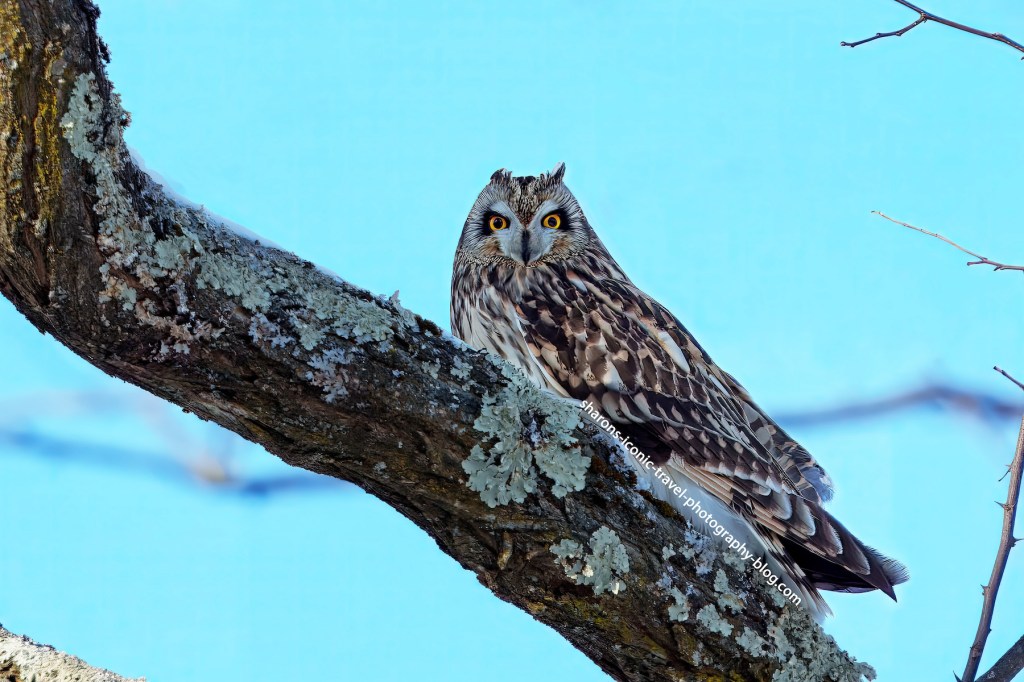
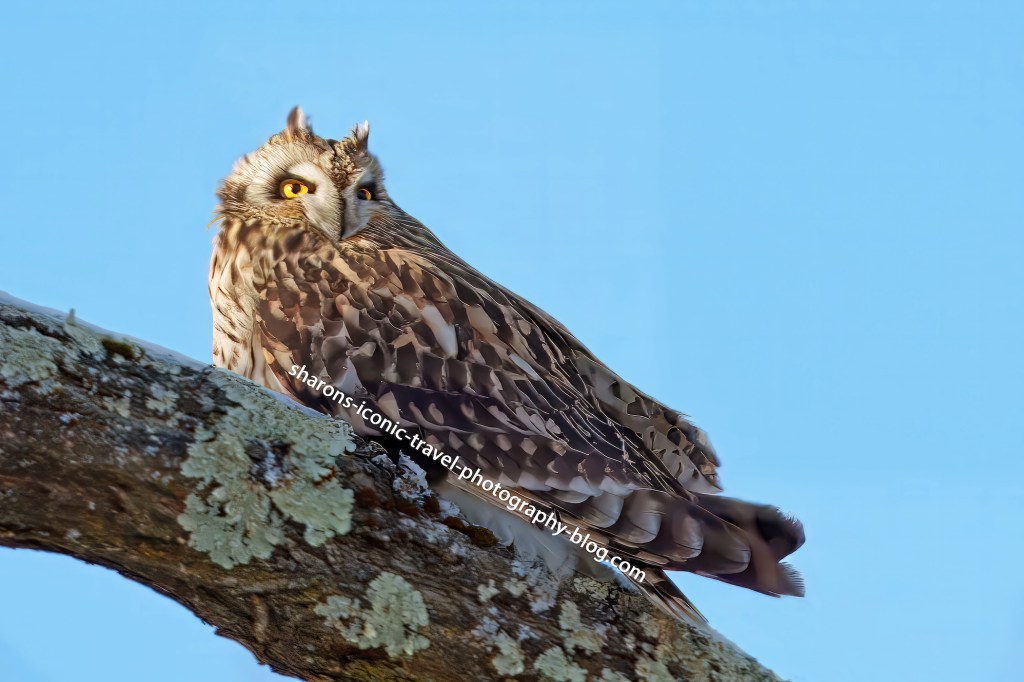
I have been catching every illness it seems coming into work since December. Therefore, I have not made any trips and have stayed close to home. If I can see an owl near a road I drive on, all the better. Luckily I have seen, two since December from a road. This short-eared owl was close to a road.

Short-Eared Owl in a Tree January 2025- sun was behind the clouds

It was near a bird feeder that was active and a lot of small birds were raising cain in the woods around the owl. I was wondering if it would go after birds visiting the bird feeder. Someone has told me they don’t, however by logic it would be a possibility as barred, great horned, and snowies will get a bird. According the the NYSDEC website:

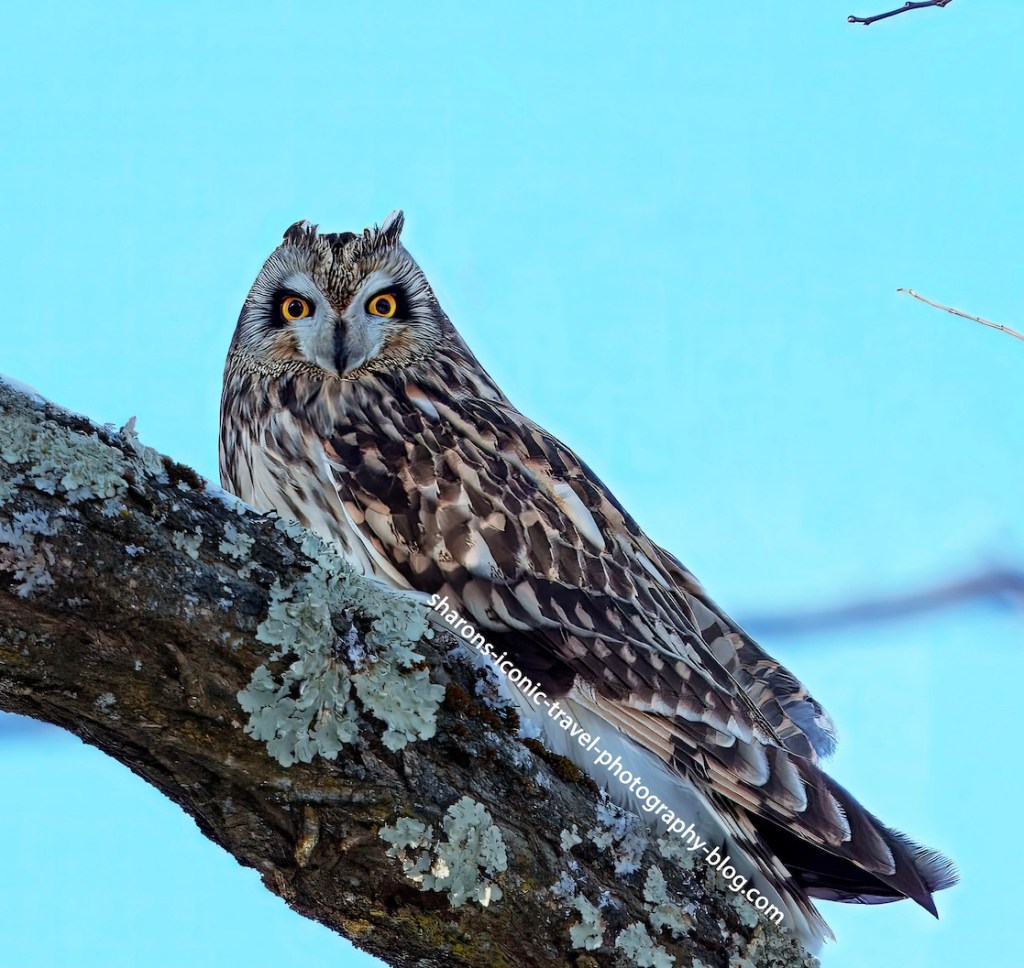
Short-Eared Owl in a Tree January 2025- Looking towards the bird feeder ‘s direction.

Short-eared owls are the most diurnal (active during the day) of all the northeastern owls. They are most often observed in the late afternoon and at dawn or dusk. These birds eat primarily small mammals, but they occasionally take smallbirds, and the young sometimes eat insects. 

If it chooses to land on a tree in good sight of a bird feeder, it is watching the bird feeder, it is probably contemplating a bird for dinner.

You usually do not see the ear tufts on the short-eared owl. I thought it could have been because of the wind, however, according to National Park Service website:

“The ear tufts of the short-eared owl (Asio flammeus, family Strigidae) are inconspicuous until the owl becomes defensive or curious, at which point the whole facial expression changes: feathers around the nose may flatten and eyes narrow slightly.”

Short-Eared Owl in a Tree January 2025- Sun behind the clouds

It seemed to be both curious about the bird feeder and defensive as many little birds nearby were expressing their displeasure at its presence. Have a great week!

Icelandic Gull

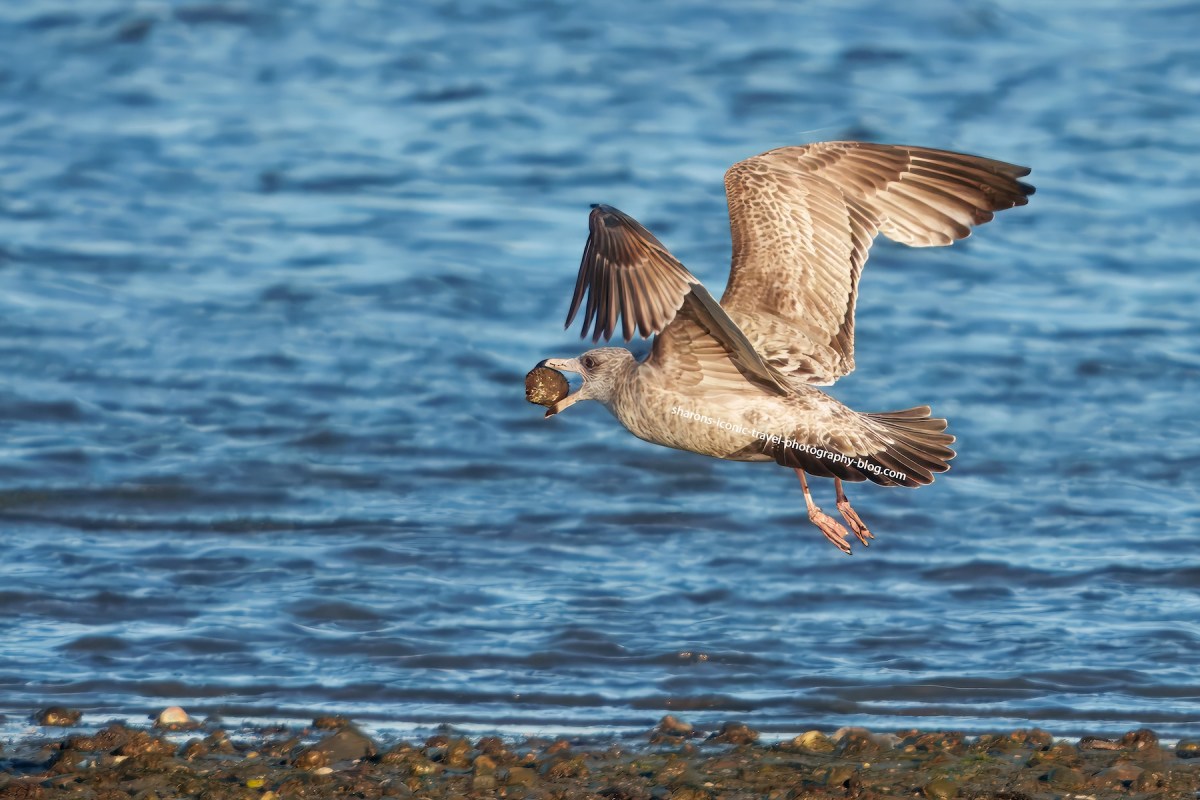
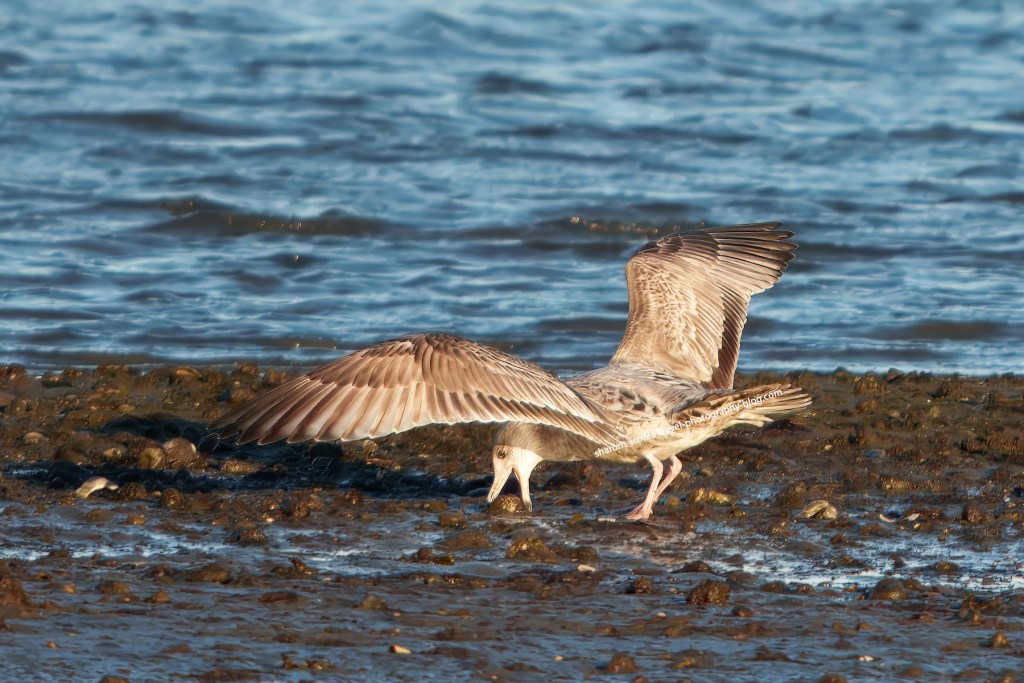
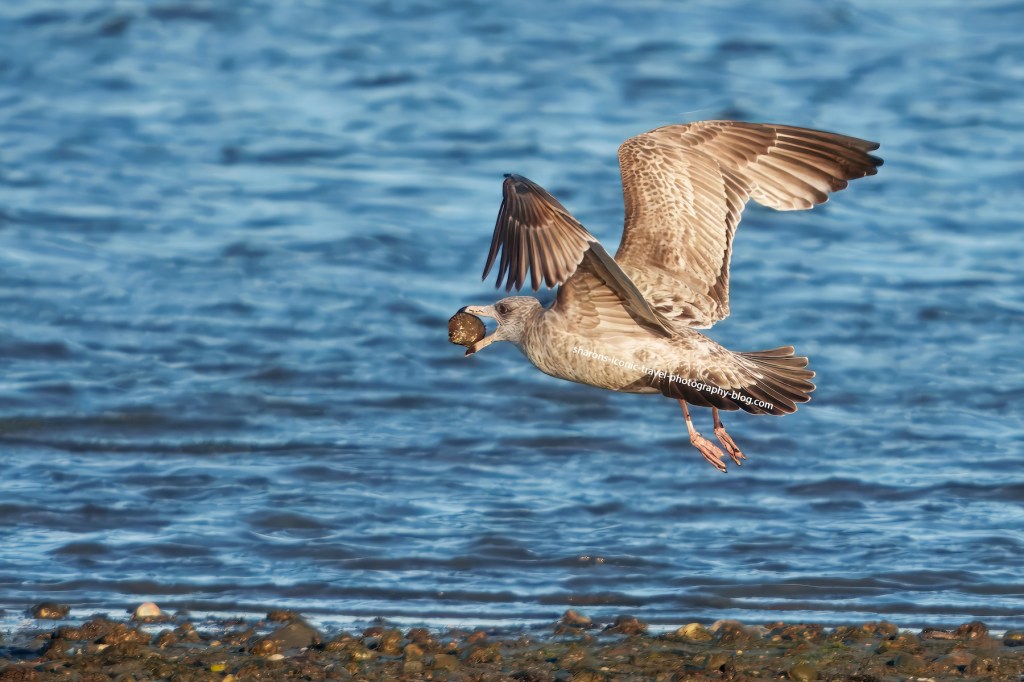
One very windy Sunday morning I went down to see if I could spot loons wintering near one New England Beach, which they usually do. No luck spotting any, however, I saw this gull which appeared to be picking up a rock, but I am sure it is a shell.

Icelandic Gull

Merlin gives three choices for this gull. The first one is an Icelandic Gull. If I am wrong, let me know. The other two to me do not look that close to this one. It is hard to tell with the early morning light, but it appears to be an immature. The east coast of the northern US is within the range for the non breeding gulls. Only some of the gulls migrate south for the winter. Many stay in the arctic all year.

Icelandic Gull- flying off towards the jetty

The gull appeared to be heading in the direction of the jetty. Possibly it would try to crack the shell open there? Have a great weekend.

Barred Owl Family Number 2

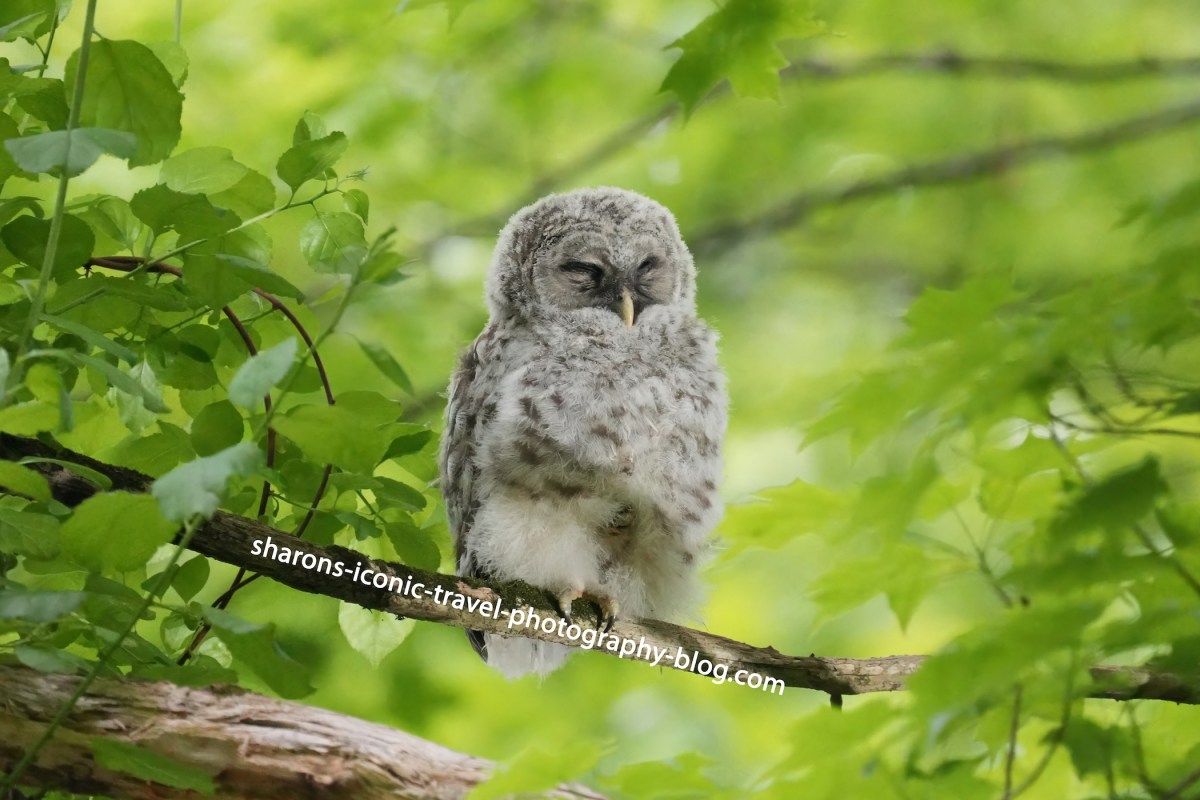
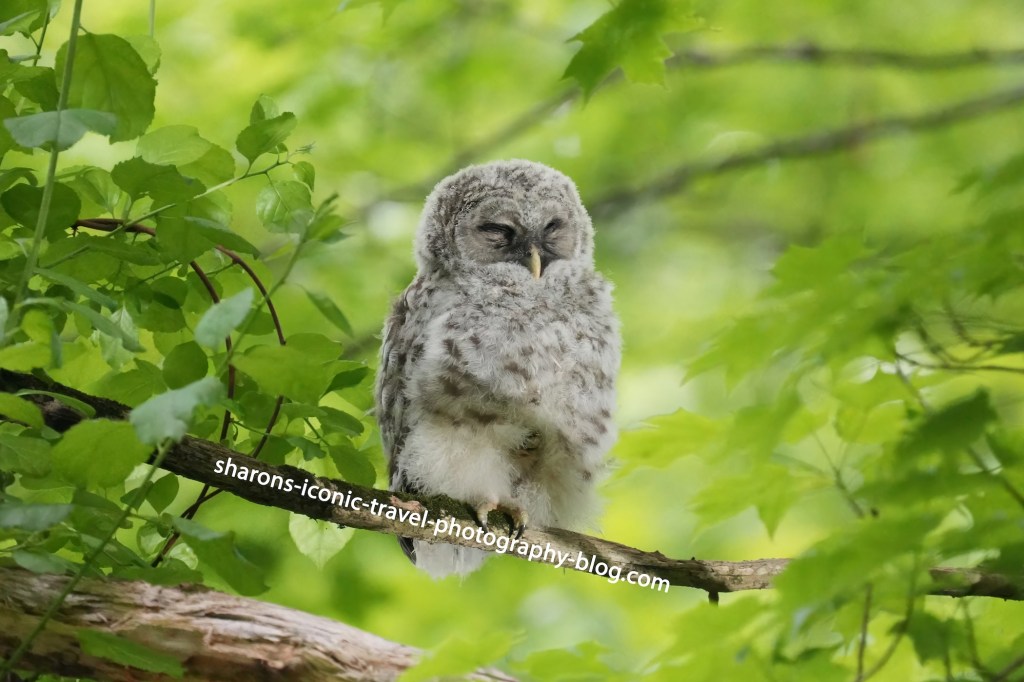
I found two barred owl families this spring/ summer. The first family had three owlets and they were making the hissing like noise they make when hungry while inside the tree. This second family, in another location, had one owlet.

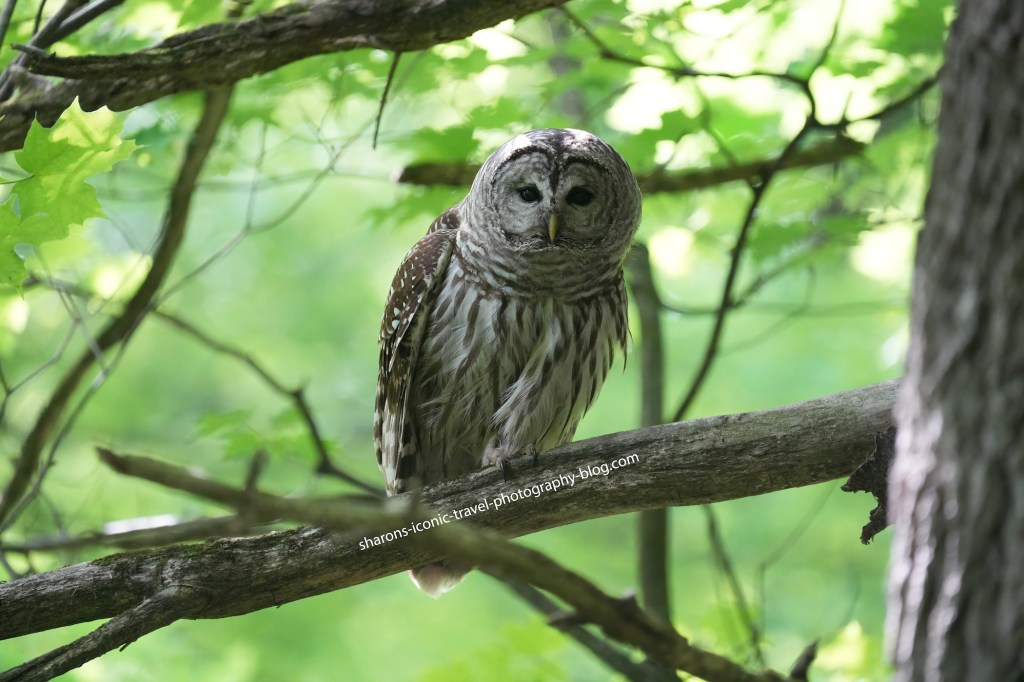
Barred Owl Family Number 2- most likely the mom

The first family had a great horned owl family come into its territory. Either the parents moved the owlets farther away onto private land, or the great horned owls got them, which they will do. I saw the second family’s baby for several days, then saw it no longer. To be fair, it was very close to private land when I saw it. Owls will have the baby move around, although it seems no further than about a 1/4 of a mile from the nest, when it is still relying on parents for food. I am hoping the story on this one is they moved to private land.

Barred Owl Family Number 2– they had one owlet

The parents are savvy and hide in the shade. The owlet seems to relish the light from the sun. Enjoy your week!

Red-Tailed Star 2

The short-eared owls do not always come up during good light. So what do you do? We can watch the accommodating Red-Tailed Hawk.

Red-Tailed Star 2 – landing on a post

This hawk stays close to where the photographers and other visitors are allowed to stand. She goes between a roof, chimney, posts, trees etc. She provides us all ample opportunities to see her. She even lands on the railing of the photography platforms while people are on it.

Red-Tailed Star 2 – with a vole

Sometimes she brings the voles she catches to a post to sit on and eat in full view.

Red-Tailed Star 2 – with a vole- close up

I walk this location in warmer months when all the trails are open. You can stop anywhere on the trails around this place and hear a vole moving around in the grass. I think all the owls and hawks do not have to worry about competition or their food supply.

Red-Tailed Star Two- Flying Up to a Post
Red-Tailed Star 2- Actively Hunting From a Post

Wildlife is fun to watch, especially when they are so accommodating. Have a great rest of your week.

Moorhen

I viewed both moorhens and coots in Royal Parks in London. The moorhen reminds me of another bird, the American Coot. Coots and moorhens are related. How are they alike and different?

Moorhen

To me the major similarity are the legs and feet. I describe them as lizard like. They both are omnivores and eat plants and small animals. In addition they both have a reddish tint to their eyes. Both Moorhens and Coots can be seen in England and parts of the U.S. I have yet to see a moorhen in the US. They are also both known to hang around near ducks.

Moorhen

They do differ in some ways. Coots are more black in plumage while Moorhens have black and brownish colouring. Moorhens have a red face shield and a yellow beak, while coots have a white face shield and beak.

Did you know these birds are also known as swamp chickens? It may be because the body looks like that of a chicken. In old English they were known as morhens. In old English mor means marsh. Do you know any other birds that have interesting nicknames?