Peregrine Falcon on the Palisades

The Palisades is a long stretch of steep cliffs on the west side of the Hudson River that runs from lower NY into New Jersey. At their highest point they are about 540 feet in height and their length is about 20 miles. Peregrine Falcons like to nest on buildings, cliffs, and under tall bridges. The Palisades is a good spot to view Peregrines.
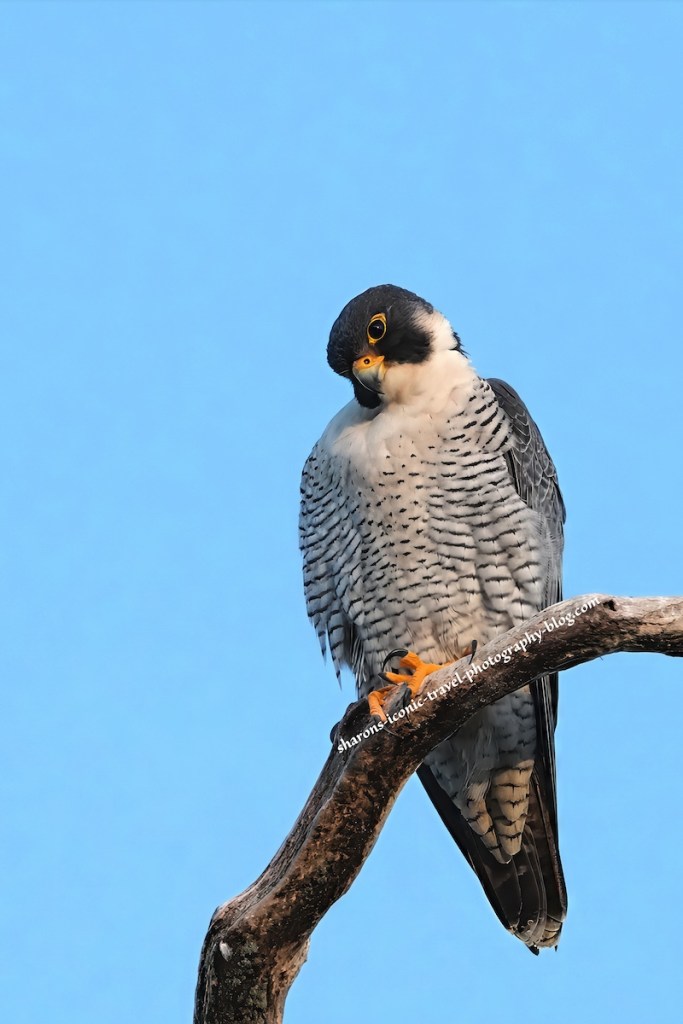
Peregrine Falcon on the Palisades

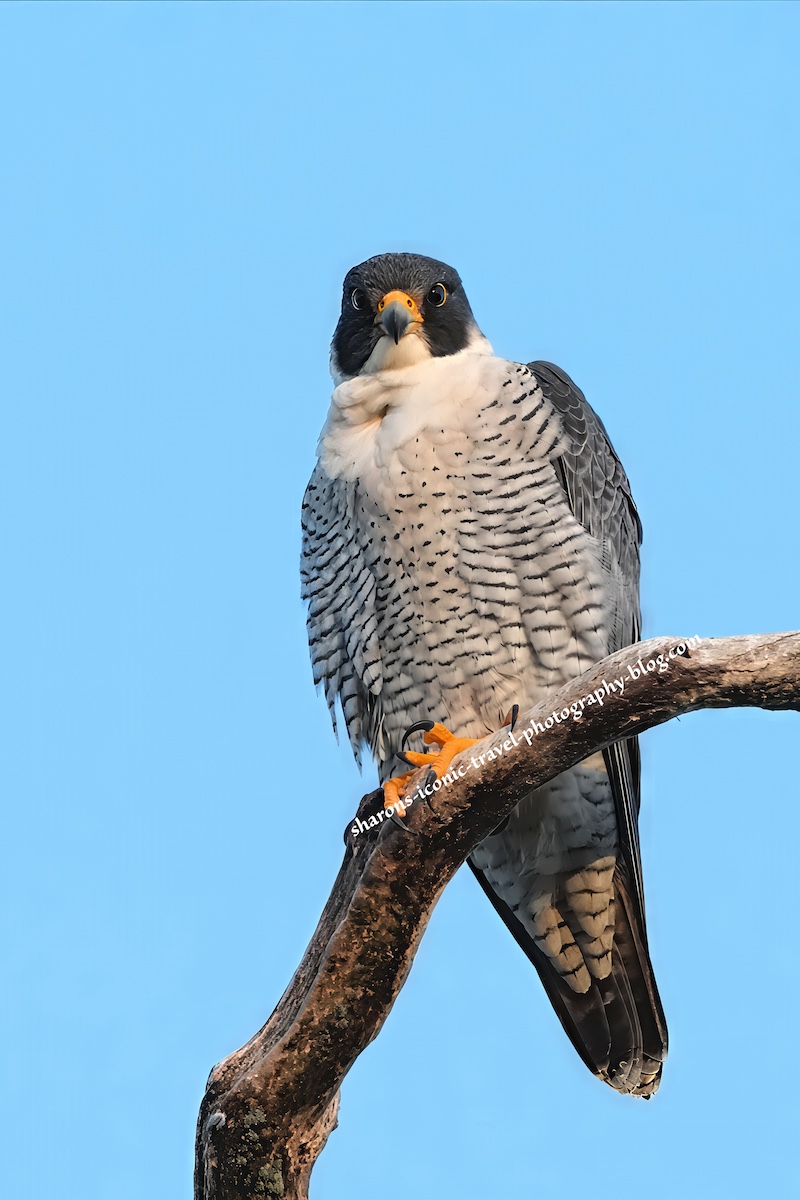
Peregrine Falcons are the fastest birds in the world. They can fly faster than 200 miles per hour. I caught this one before sunset. It never moved from the tree while I was there.
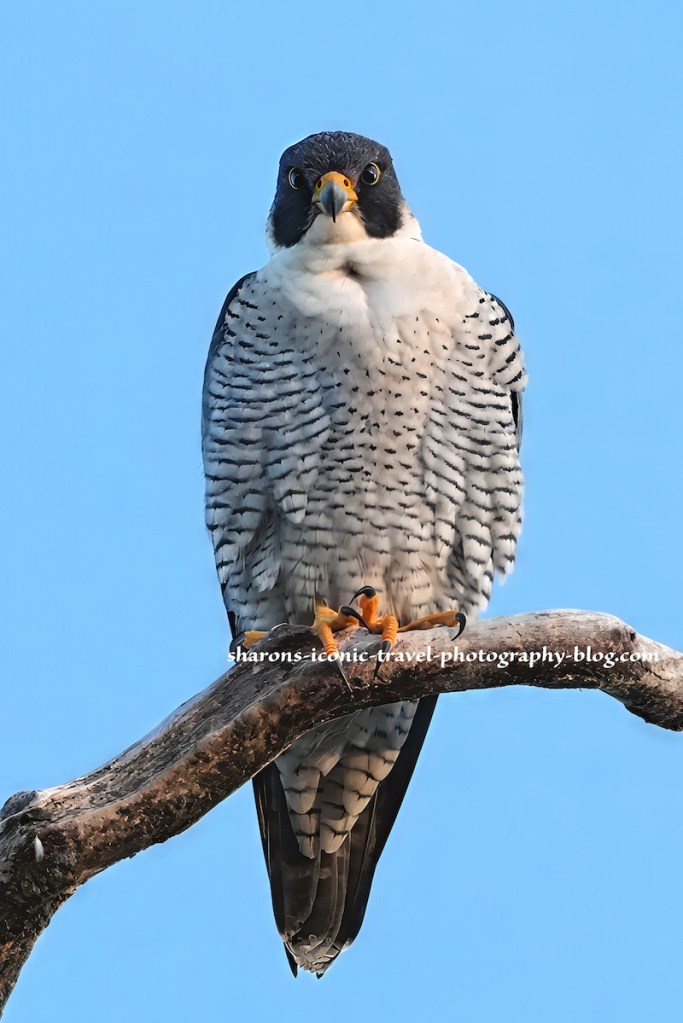
Peregrine Falcon on the Palisades

This falcon was perched on a tree cliffside but was facing the land on top and not the river. A pair of squirrels was chasing each other nearby, but the falcon did not seem interested in them. They are known to capture a variety of birds, but will steal fish and rodents from other birds. They also eat bats. I am trying to significantly reduce the size of my picture files to conserve space on the blog, but the images when I do that are not as sharp as the original. Have a wonderful Wednesday!
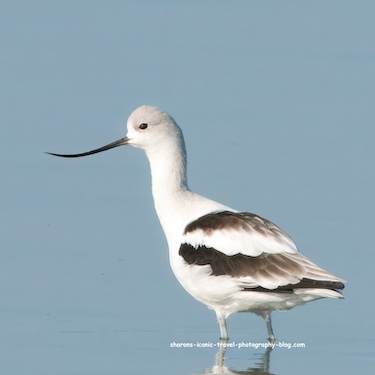
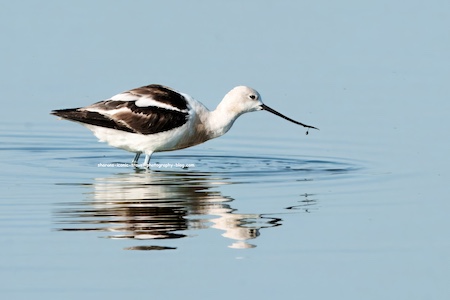
American Avocet

Merlin did not have a match for this, as New Jersey is not supposed to be in it’s range. It is an American Avocet and appears to be a non breeding adult or an immature.

It’s normal non breeding areas include the Virginia coast and south. This one was with another avocet with slightly different colouring. Its breeding areas appear to be in the mountain area of the central US.

This is one more bird that is outside their normal area. Have a great Tuesday!

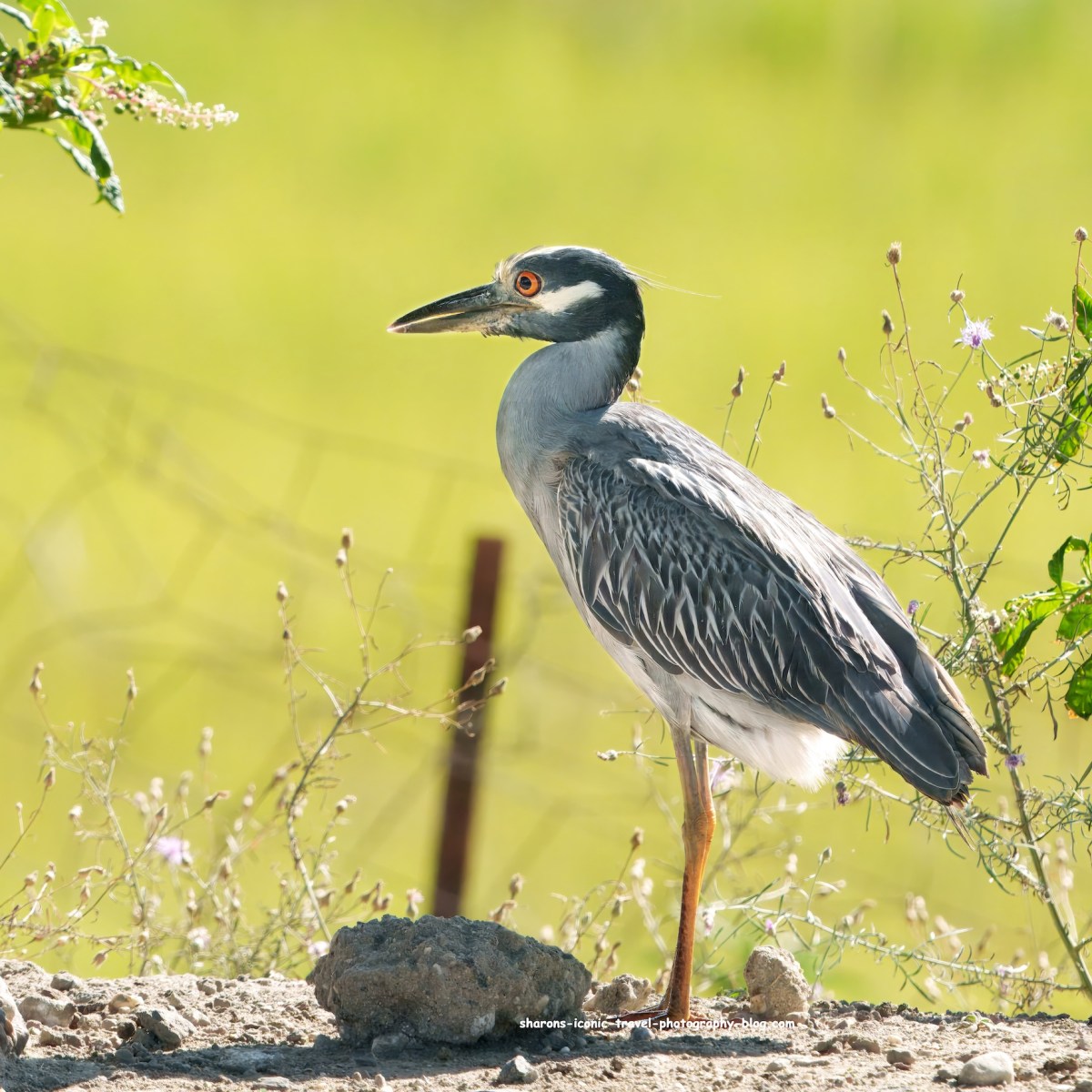
Yellow-Crowned Night Heron

I spotted this bird on a short trip to New Jersey in a pond near the ocean. New Jersey is in the breeding area of the yellow-crowned night heron. The Merlin app identified these birds as yellow-crowned night herons. I believe this is the first time I have seen this bird.

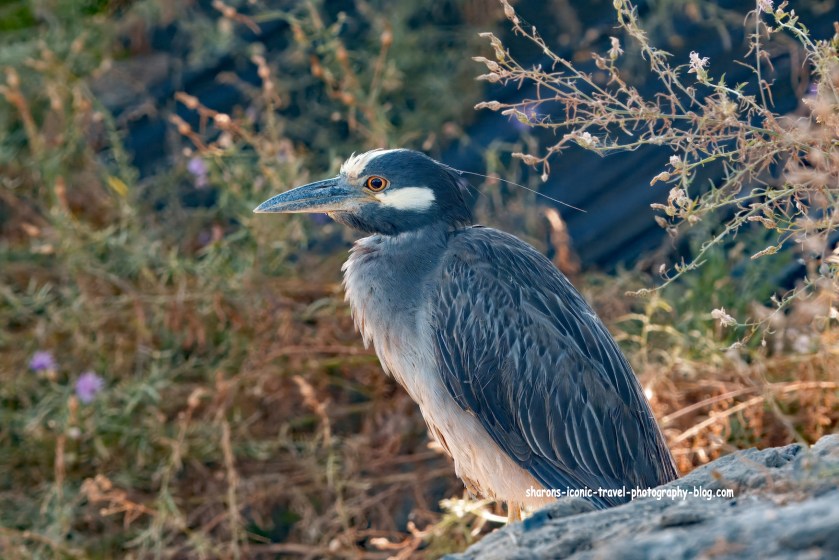
Yellow-Crowned Night Heron- Adult

The adults  are grey with a black head and large white cheek patch, and a creamy yellow crown that sometimes appears more white.

According to All About Birds they are a wading bird that eat: marsh crabs, fiddler crabs, ghost crabs, mole crabs, mud crabs, blue crabs, lady crabs, green crabs, rock crabs, and toad crabs. They also eat mussels, insects, scorpions, frogs, tadpoles, fish, small snakes, turtles, young birds, and small mammals. 

Juvenile

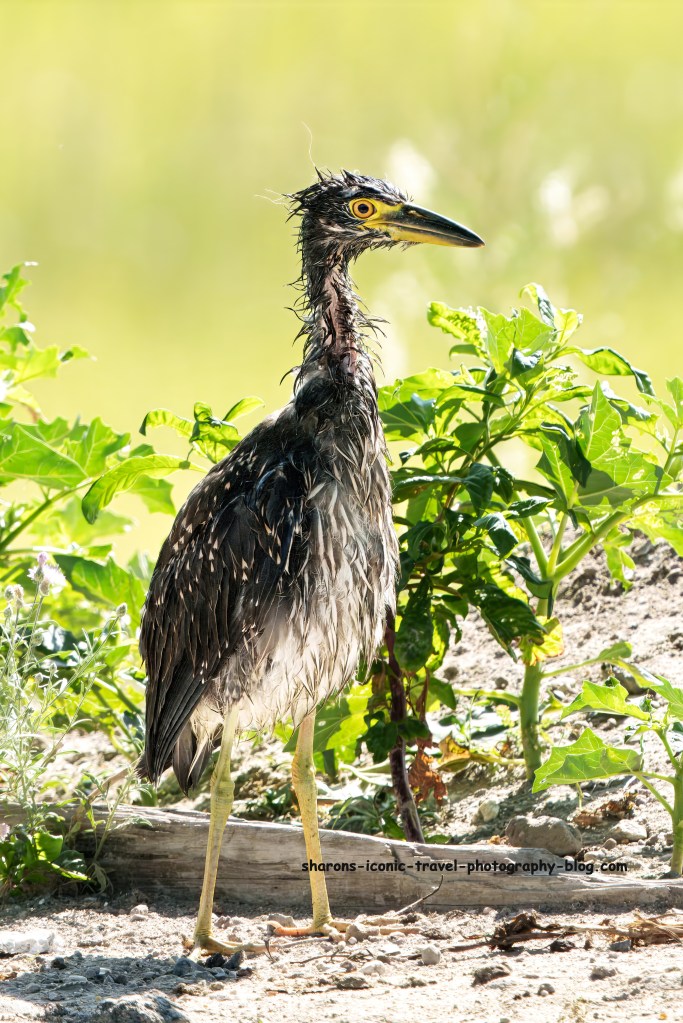
Yellow-Crowned Night Heron – Juvenile

Juveniles are brown with white spots on the back and wings. The legs are yellow to orange yellow.

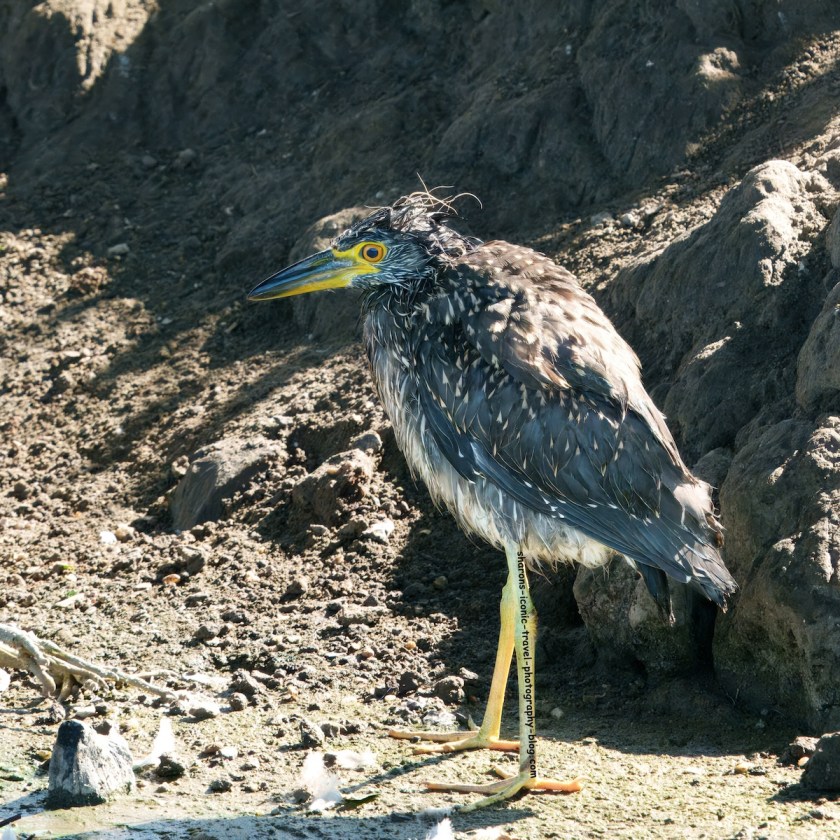
Yellow-Crowned Night Heron – Juvenile

I saw the juvenile near the adult. When the adult went to the top of the bank, the juvenile followed shortly thereafter and stood near it. I did see some juvenile herons in a rookery, but could only see their heads and part of their bodies so I am not sure if they were black-crowned or yellow-crowned night herons. Happy Friday!

Forster’s Tern

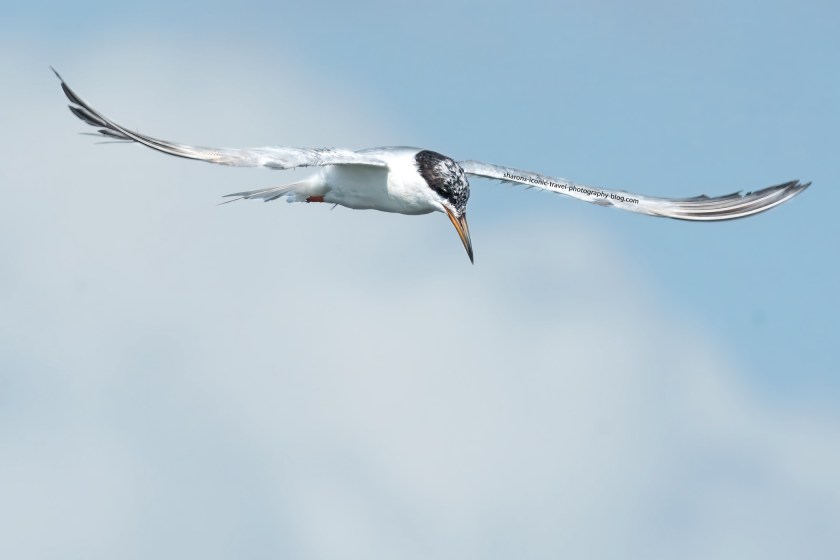
What bird is named after a famous naturalist ? It is the Forster’s Tern. Johann Reinhold Forster was a naturalist who voyaged with Captain Cook’s 2nd trip to the Pacific. Forster drew or cataloged 500 plants and about 300 animals.

Forster’s Tern

Appearance

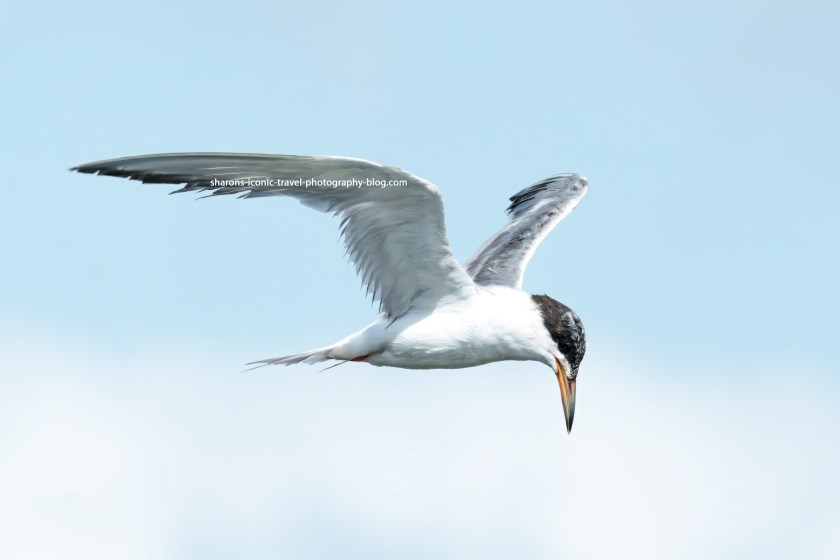
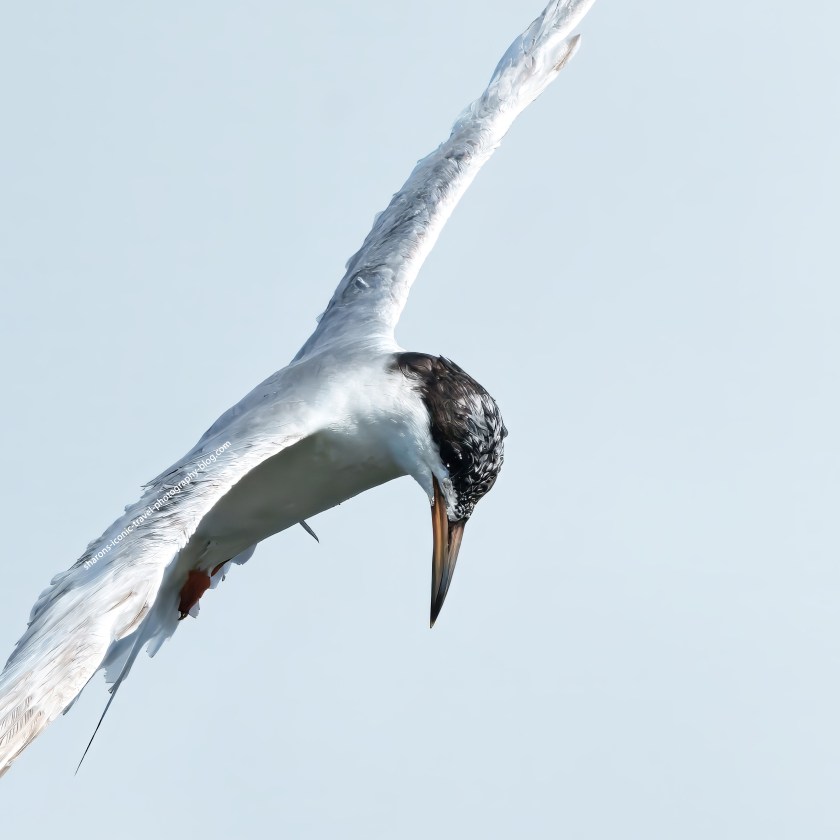
I saw this bird on the New Jersey shore area. Adults have a black cap and a black tipped orange bill. Their underside is while, while the wings may have gray coloring on top. It is in between a robin and a crow in size.

Forster’s Tern

Habitat

This tern can be in fresh water or salt water. It can be seen in marshes, bays and oceans. The map on All About Birds has the NJ coast as its breeding grounds. It goes further south to the lower US and the Central American coast in winter.

Forster’s Tern

Hunting

According to All About Birds this tern gets food by scanning for food over the water, about 20 feet above it, then dives in to capture their prey with their bill. Many times they stick close to the shoreline or close to it. Their dive is shallow up to about a foot below the surface. This is exactly what I saw. The road we could view from was maybe 20 feet or more from the water’s edge. Many times it was flying close to if not above the shoreline. I could not capture it diving in as plants obscured my view. Regardless, these birds were fun to watch.

Have a great weekend! Be safe!