White Ibis Babies

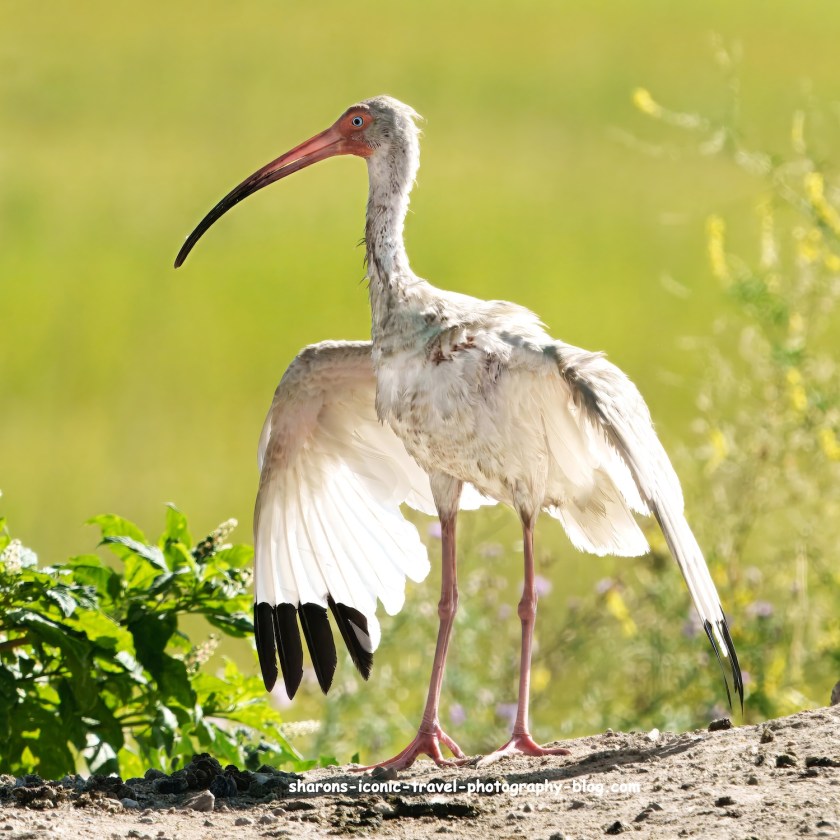
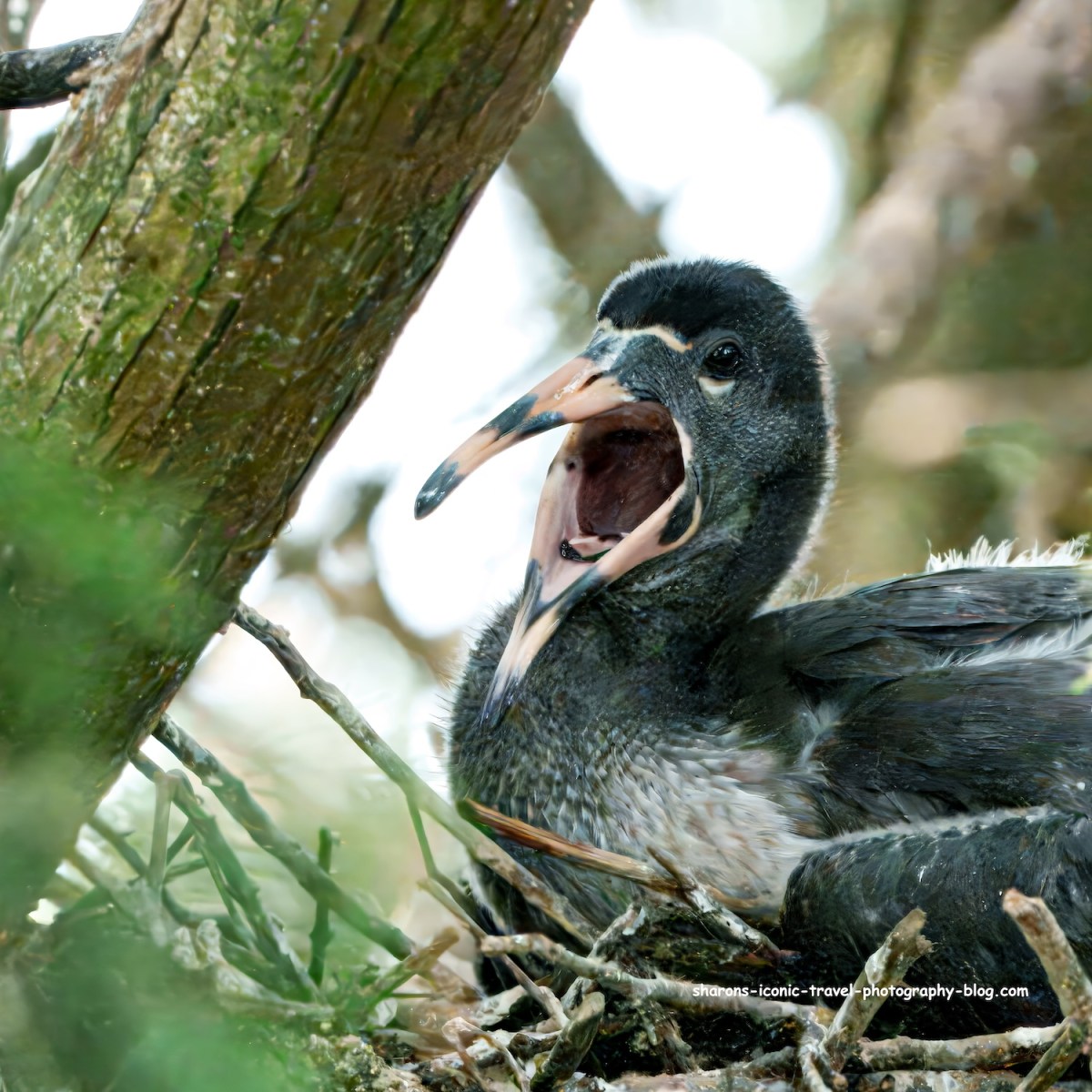
These white ibis babies were younger than the previous ones I posted. It looks like this one is on a small nest within a tree. The babies do not really look a lot like the parents.
White Ibis Babies

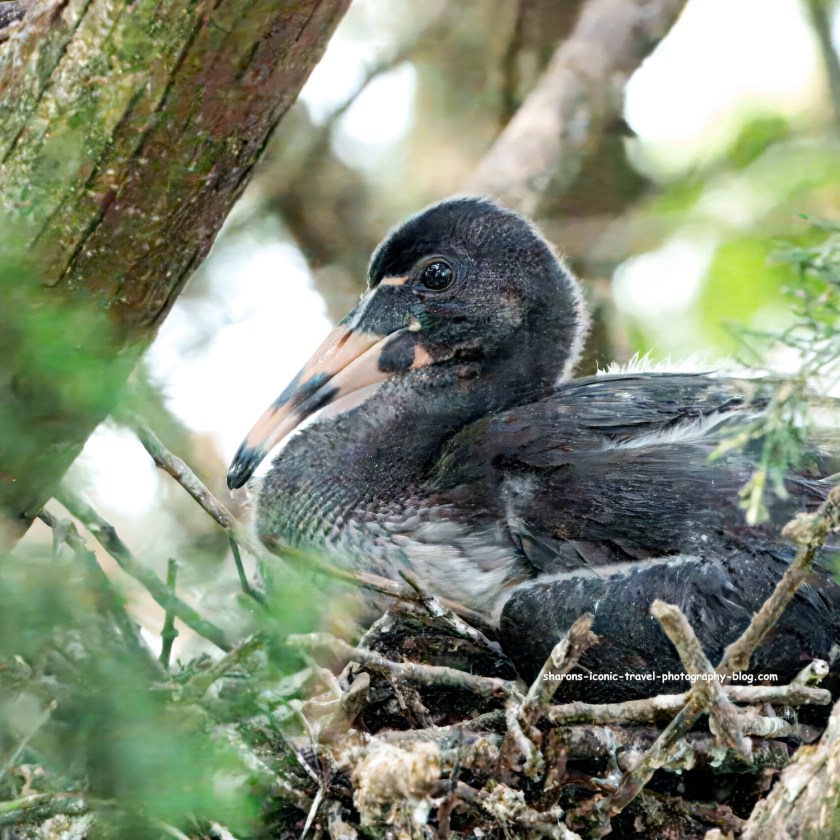
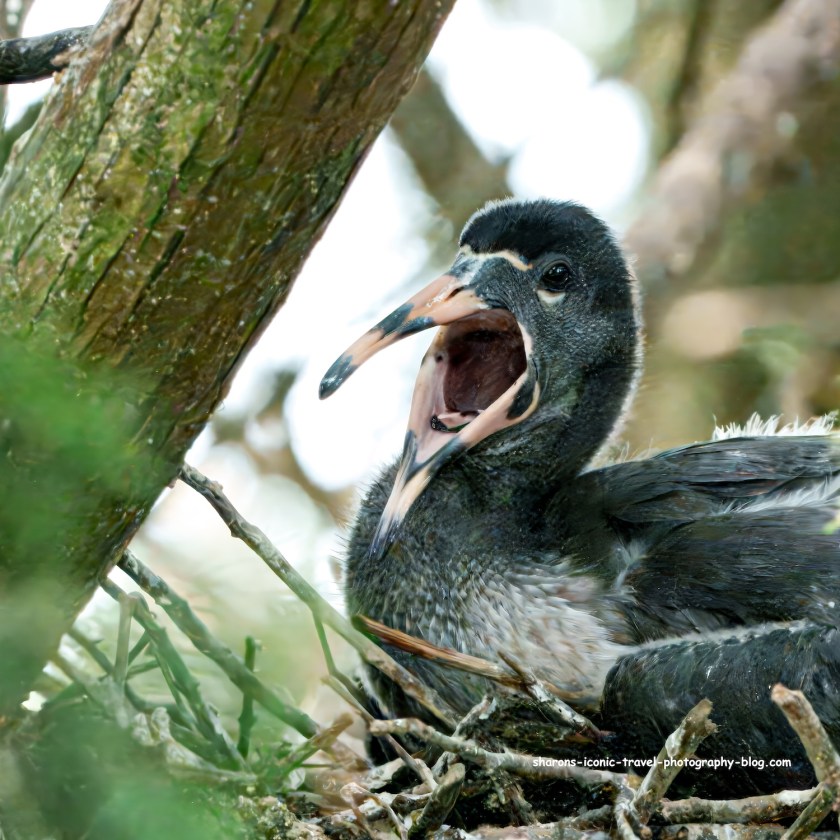
When baby Ibises hatch their bills are straight. They do not curve. The beaks start to curve at about 14 days old. I usually do not like using Wikipedia. They say they get this “Stork, Ibises, and Spoonbills of the World” by James Hancock , which was not accessible online. “The newly hatched American white ibis is covered with violet down feathers, deepening to dark brown or black on the head and wings….develops three black rings from around day six, before turning grey by around six weeks of age. ..then a few weeks later turns pink.”
White Ibis Babies- Tired

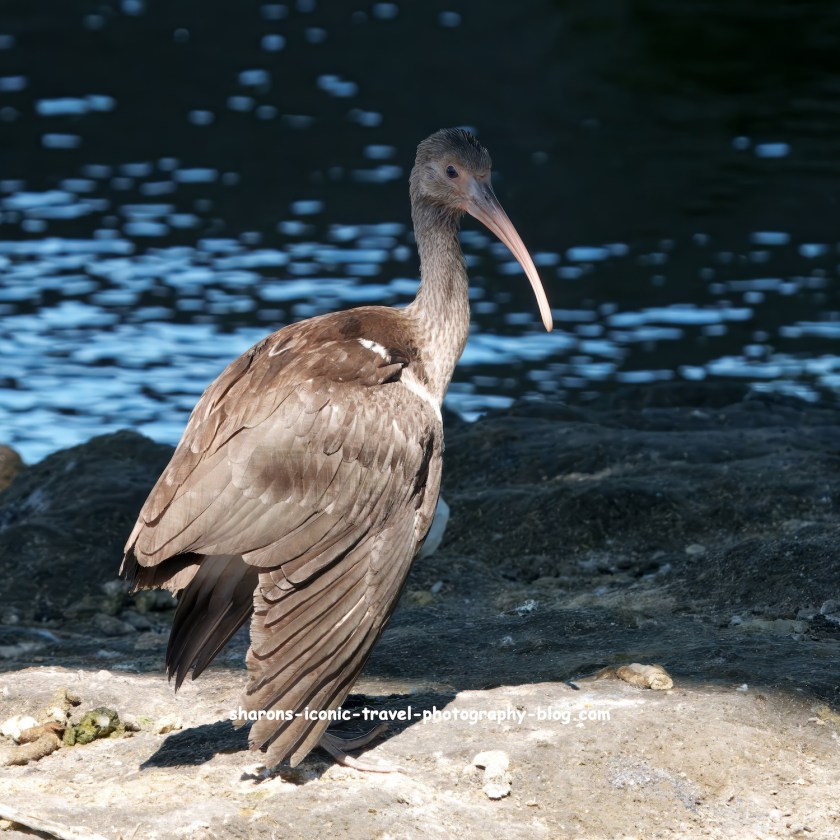
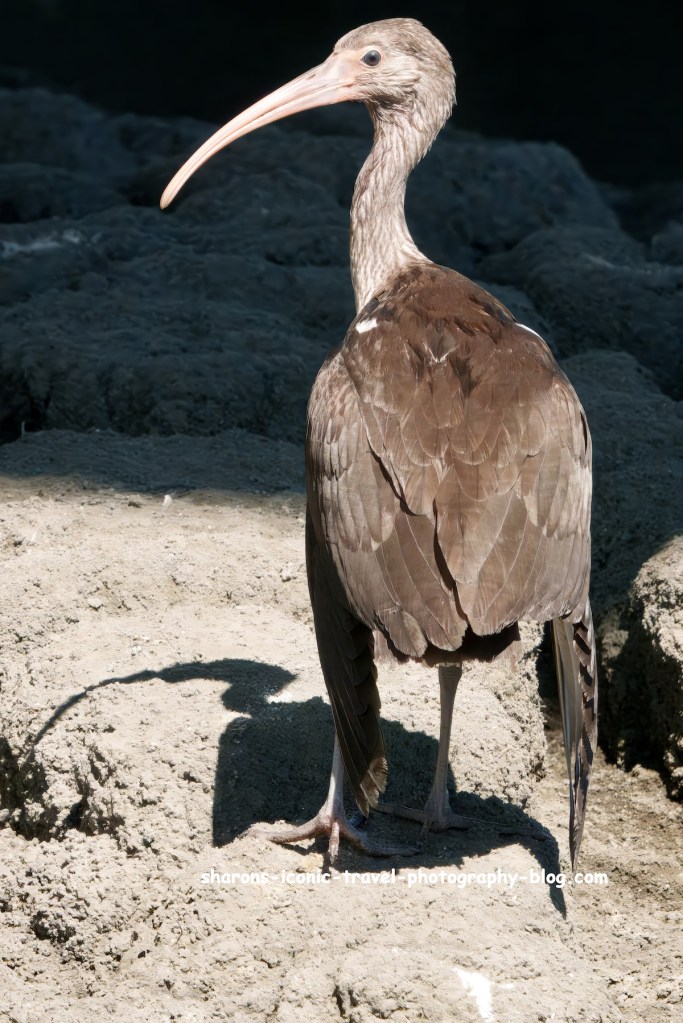
On the above two pictures you can see the three grey rings on the beak. So in August this baby white ibis was after 6 days old, but before 6 weeks old.
White Ibis Babies

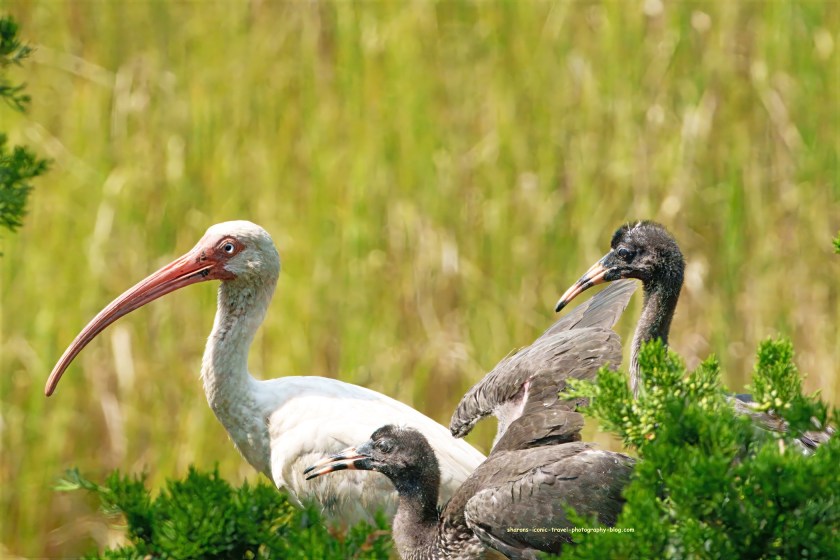
According to NPS.gov immature ibis are dark brown with a white belly and white rump.These ibis seem to be older than the first two pictures. They would seem to be less than 6 weeks old though as they still have the three gray rings on their beak. Their feathers seem more brownish.
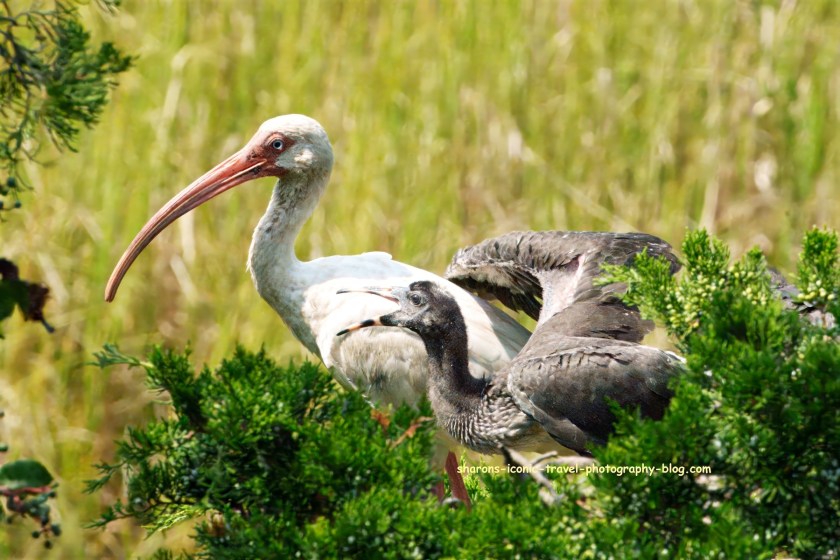
White Ibis Babies

I felt bad for the mom with the two babies. They seemed to be constantly chatting away to her. I am guessing they were begging for food. Animal parents get little sleep either it appears. White Ibis are not even supposed to be in NJ, however they are there in multiple spots. The Merlin App would not even provide a match for it. I hope you had a restful Labor Day.
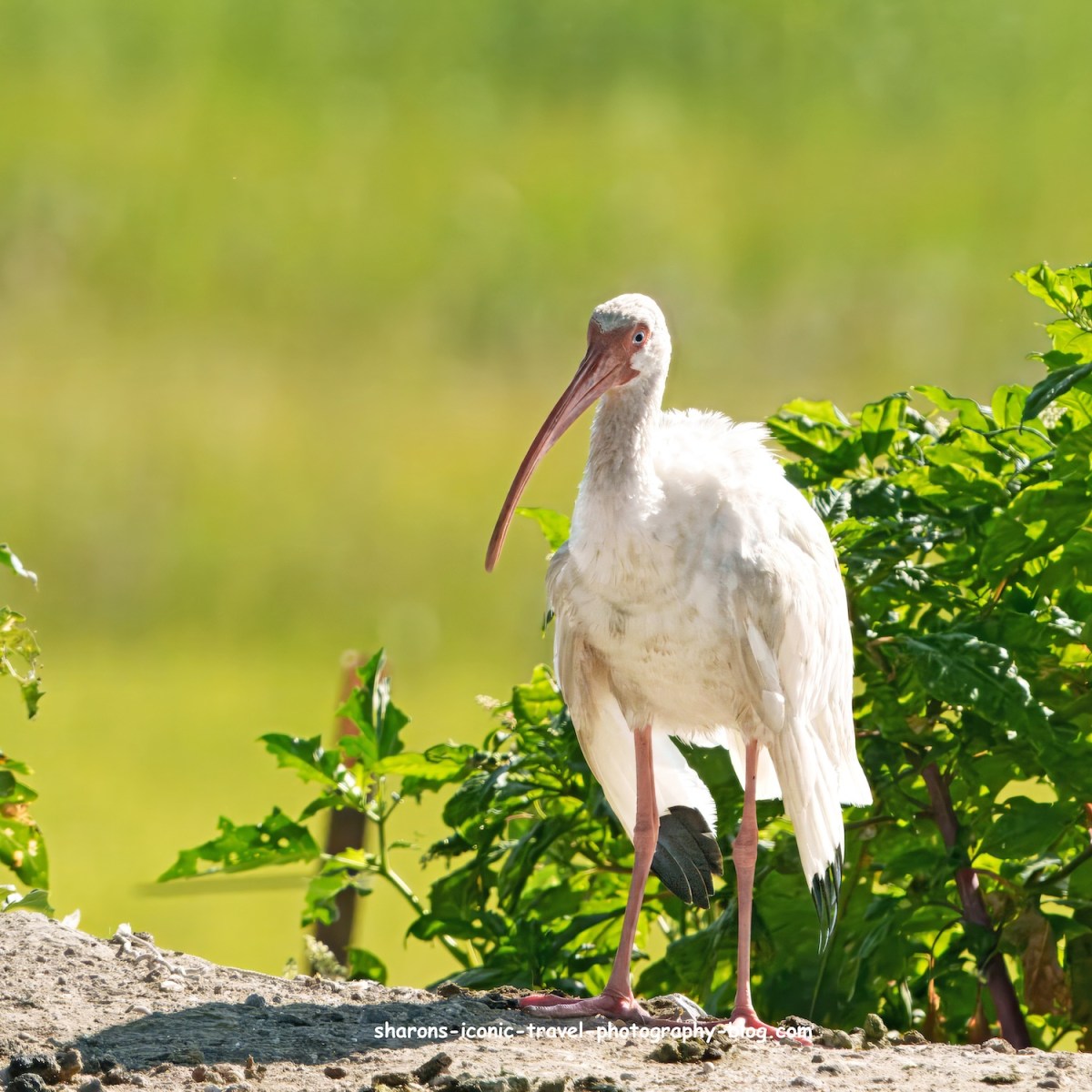
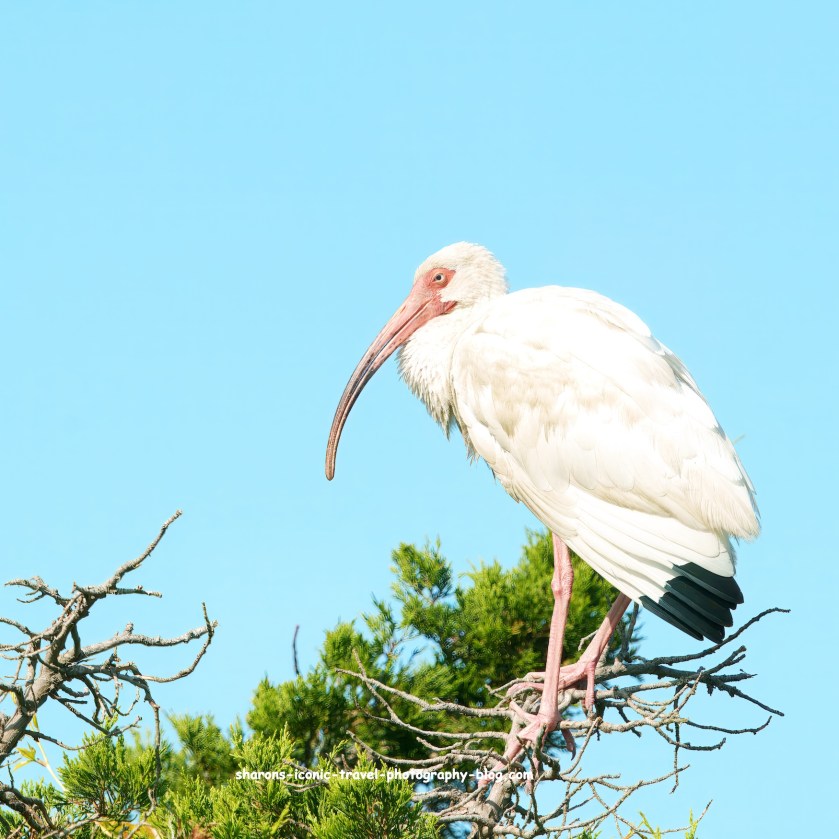
White Ibis August

I think maps need to be updated. This is another bird that is out of its breeding range. Their breeding area according to All About Birds is mostly in the deep south of the US, except a small swath of Delaware and Maryland. It’s year round range is in the states that border the Gulf of Mexico near the gulf.

White Ibis August

I spotted this with a group of others who were nesting in trees with other birds such as herons etc. in New Jersey.

White Ibis August

White Ibis are large wading birds who live in wetlands or near the coast. The information says they tend to hang out in large groups. I did see them in large groups from afar with what appeared to be Glossy Ibis in one location. I also saw one or two hunting for food a short flight from their nesting area with herons and ducks.

White Ibis August

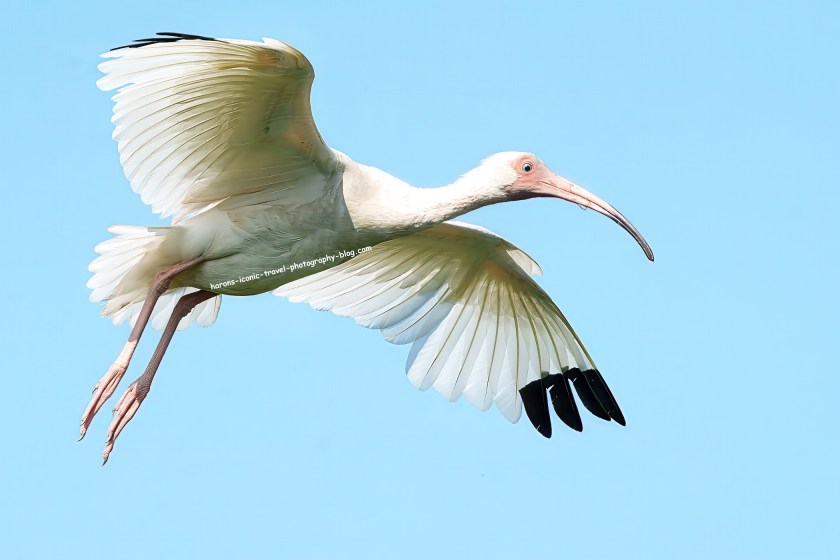
White Ibis fly awkwardly in for a landing in trees.

Juvenile

White Ibis August

According to All About Birds ” Parents feed the chicks for 40–60 days after they leave the nest (but before they leave the colony) until they can forage by themselves. ”

This baby followed an adult to a body of water to forage.

White Ibis August

This juvenile looked like it might be on its own soon. Have a happy Sunday!

Glossy Ibis

This was another first for me. Owls occupy most of my birding. I saw the glossy ibis at a large wildlife refuge in Central New York during a long weekend vacation trip.

Glossy Ibis Central New York

All of these are quite far away taken with a zoom lens and heavily cropped. The first day I was there they mainly stuck to hiding amongst the plants. They were farther away the first day and luckily someone at the refuge with a powerful spotting scope located and let me view them.

Glossy Ibis

They seemed to stick to the island like areas in the wetlands and occasionally on the second day went in the water. They came closer the second day and these images are from then.

Glossy Ibis – Two

There were two of them. Sometimes they were close together and other times they were near to each other, but not that close.

These images are not that great, but I was happy to see them regardless. Maybe sometime in the future I can witness them up closer. Have a great week.