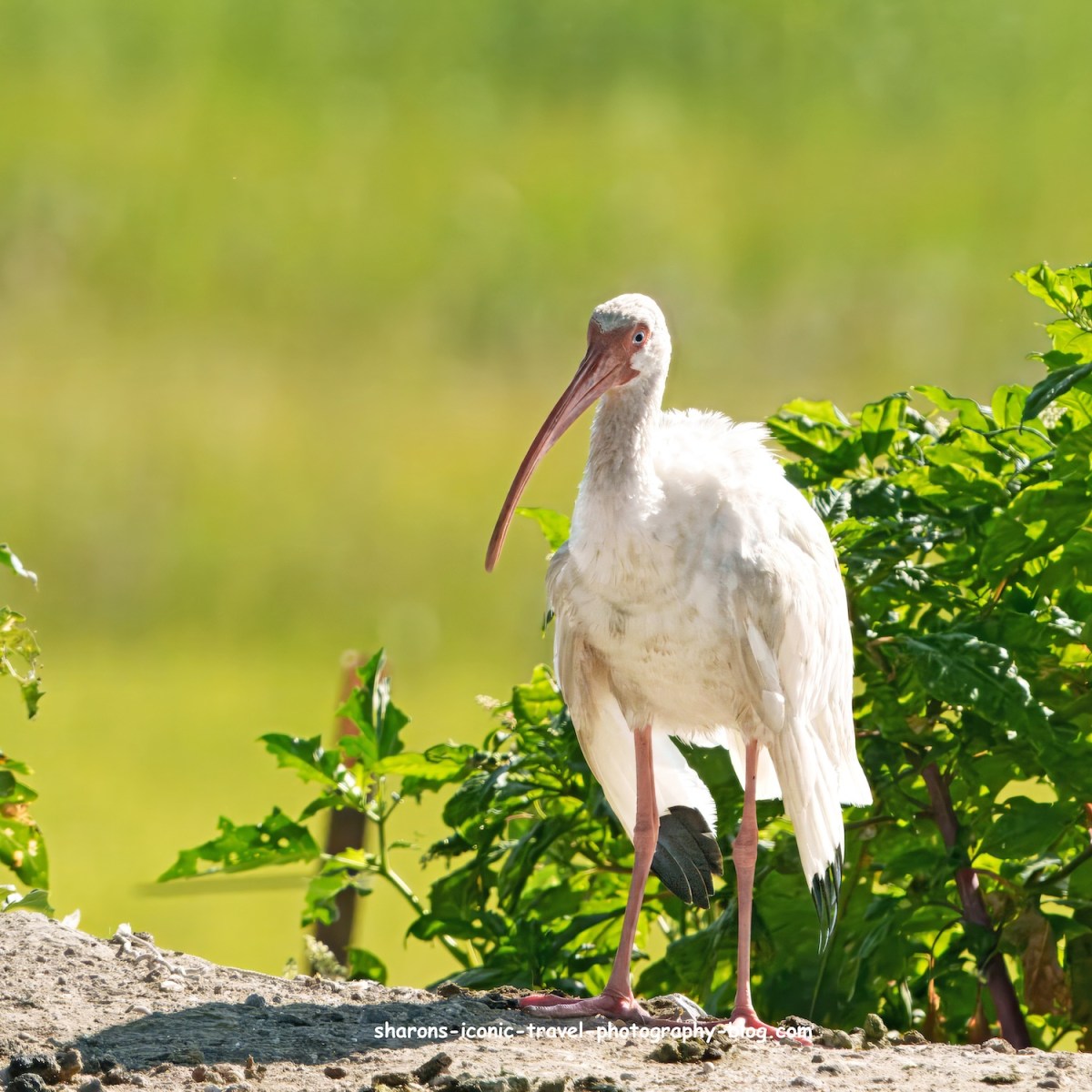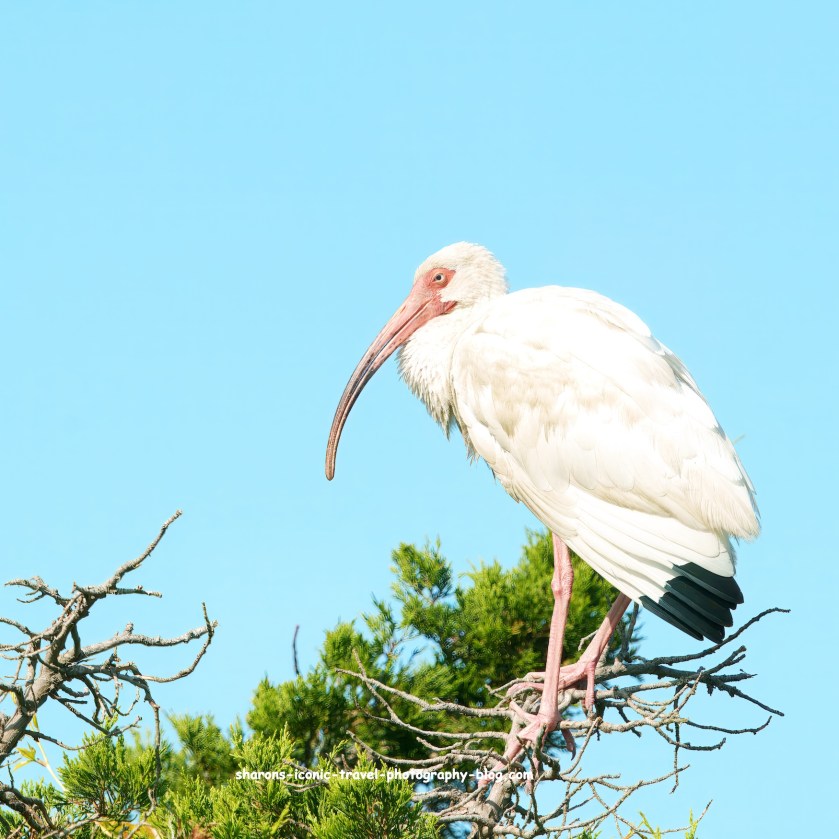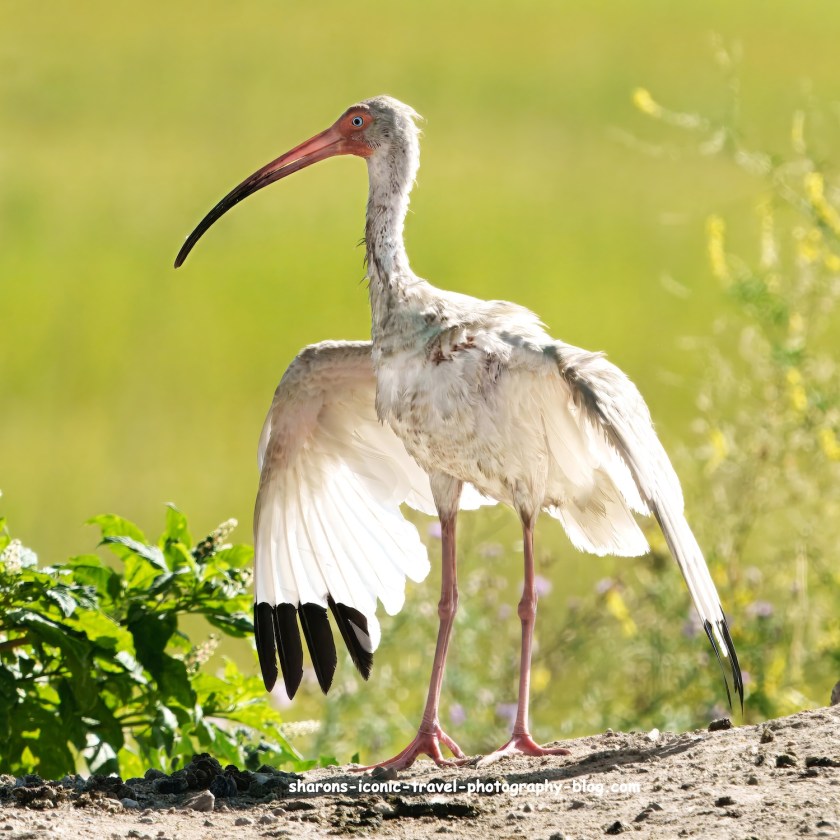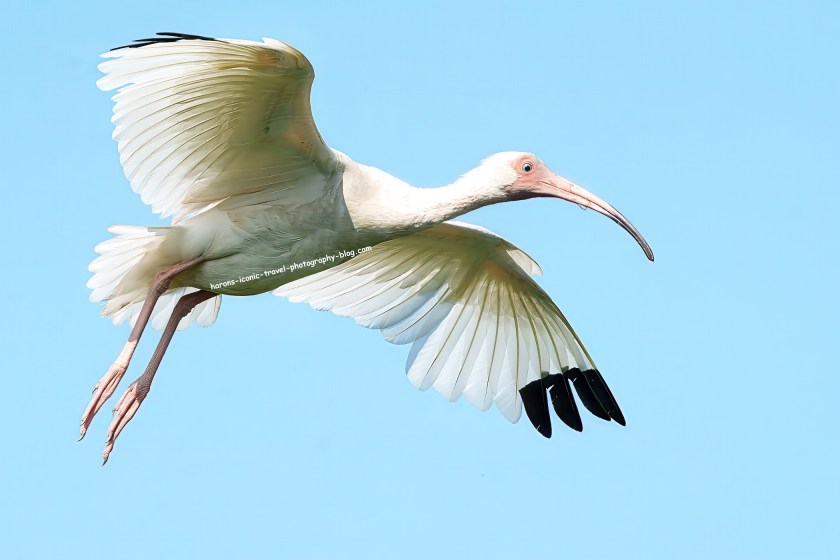
Black-Crowned Night Heron 2025

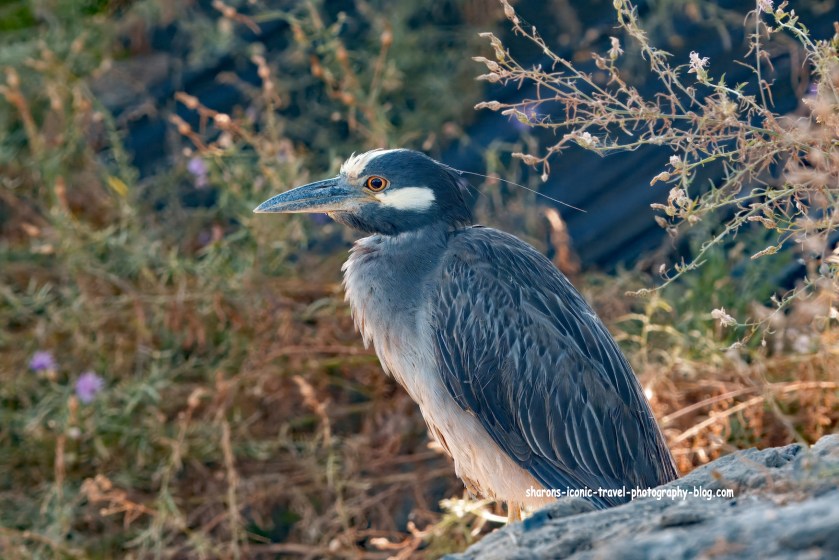
What bird is nocturnal, stocky, is a symbol for patience, and spends a lot of time motionless? It is the black-crowned night heron.

Black-Crowned Night Heron 2025- Daytime near nesting location

They have the word night in their name because they are nocturnal. Usually they are active at night and sleep during the day. They sleep with their eyes closed.

Black-Crowned Night Heron 2025

I actually saw some awake during the day because they had young still relying on them for food.

Black-Crowned Night Heron 2025

This is one is hunting near a culvert under a road. The tide was coming in and water was entering the wetlands from the ocean. The black-crowned night heron goes long periods of time seemingly motionless before it strikes.

Although I have seen this bird in New York I took these pictures in New Jersey. In New York these birds are more wary of people and keep a distance. Even kayaking I have not seen once this close. Have a Happy Friday!

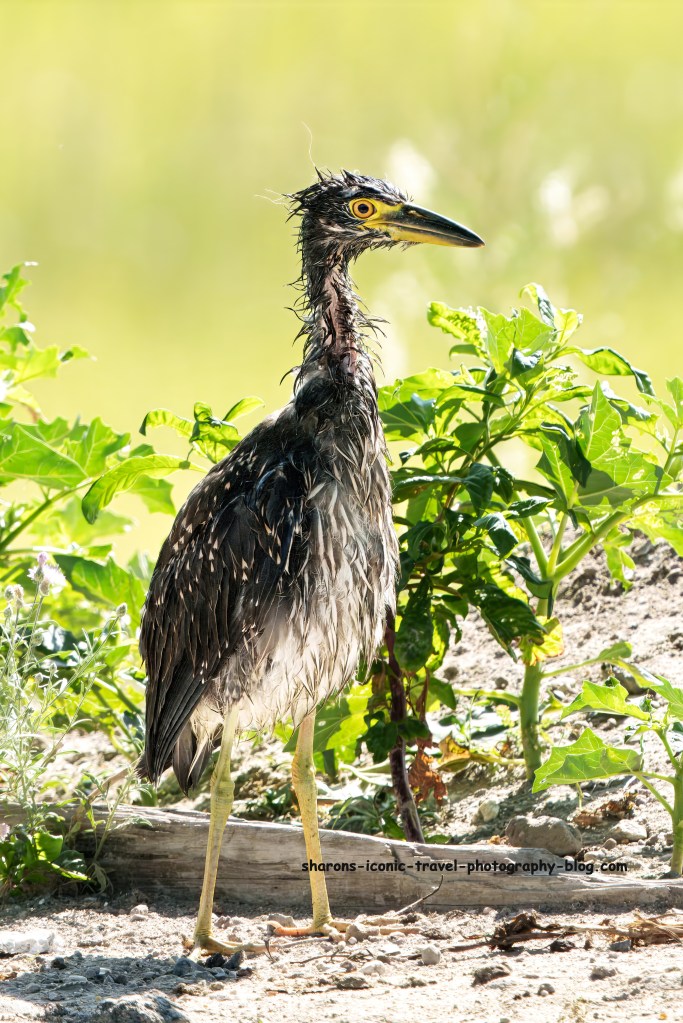
Yellow-Crowned Night Heron

I spotted this bird on a short trip to New Jersey in a pond near the ocean. New Jersey is in the breeding area of the yellow-crowned night heron. The Merlin app identified these birds as yellow-crowned night herons. I believe this is the first time I have seen this bird.

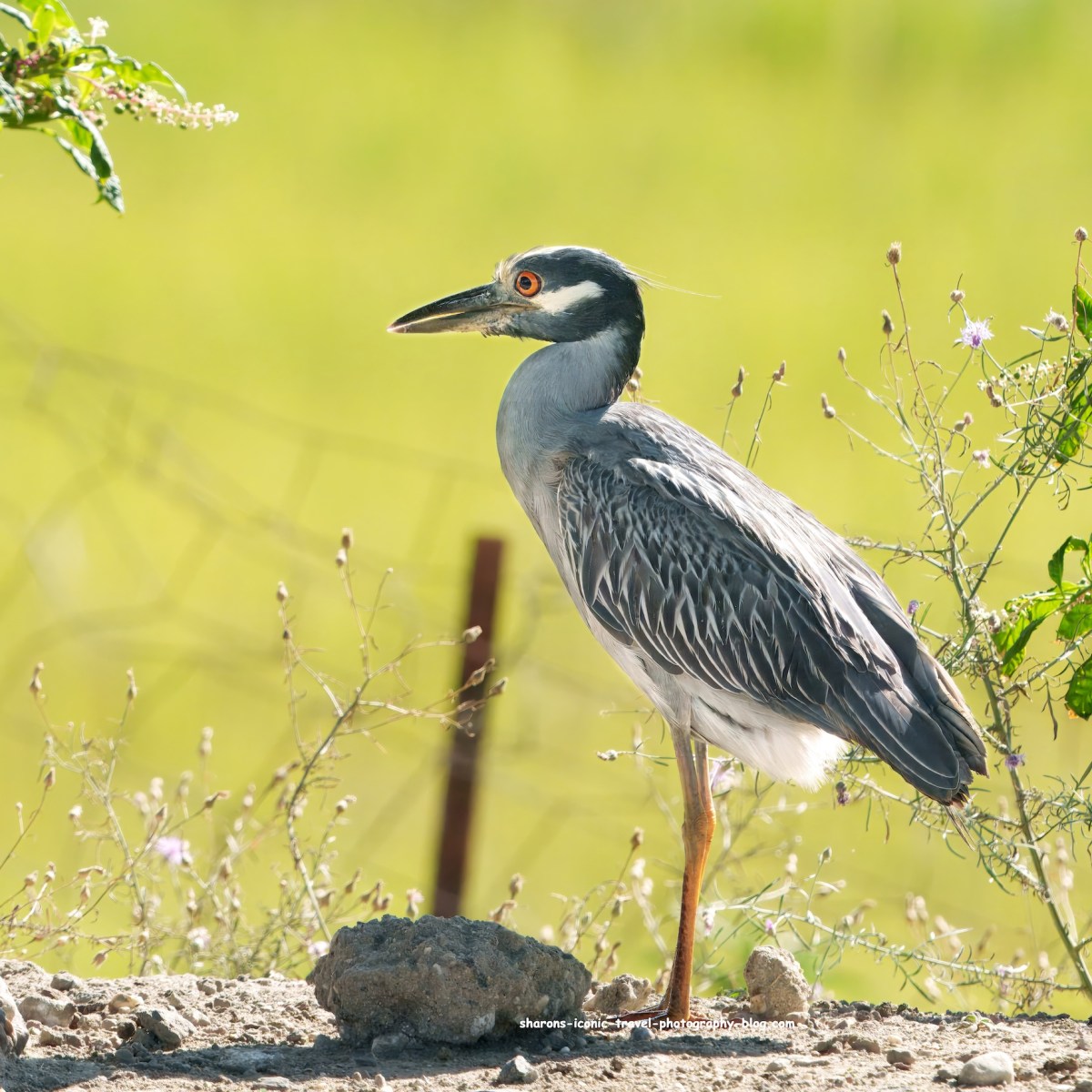
Yellow-Crowned Night Heron- Adult

The adults  are grey with a black head and large white cheek patch, and a creamy yellow crown that sometimes appears more white.

According to All About Birds they are a wading bird that eat: marsh crabs, fiddler crabs, ghost crabs, mole crabs, mud crabs, blue crabs, lady crabs, green crabs, rock crabs, and toad crabs. They also eat mussels, insects, scorpions, frogs, tadpoles, fish, small snakes, turtles, young birds, and small mammals. 

Juvenile

Yellow-Crowned Night Heron – Juvenile

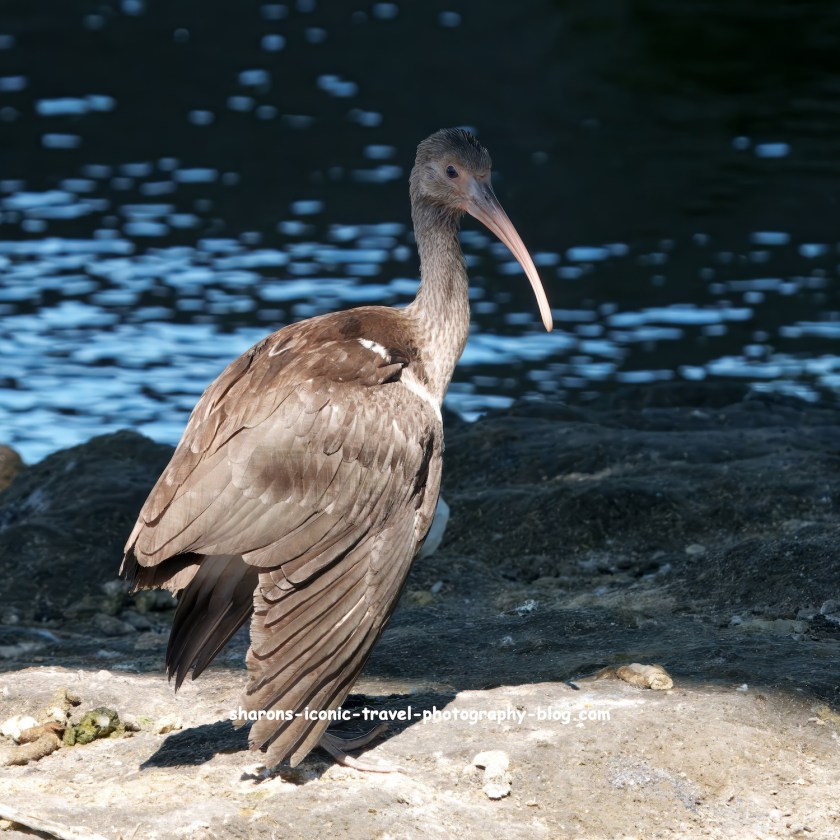
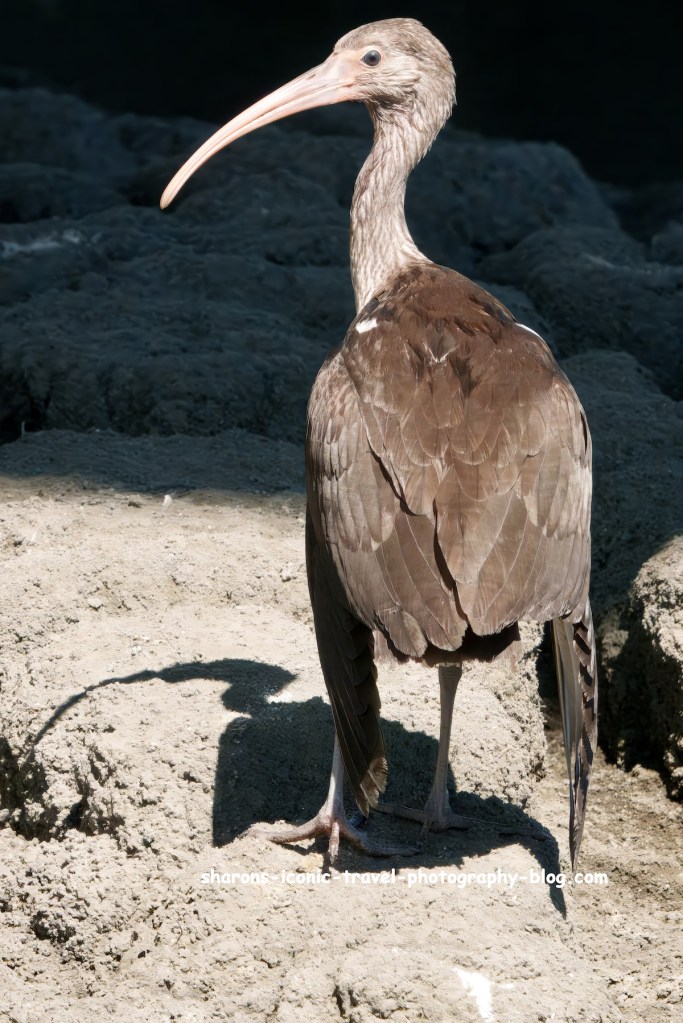
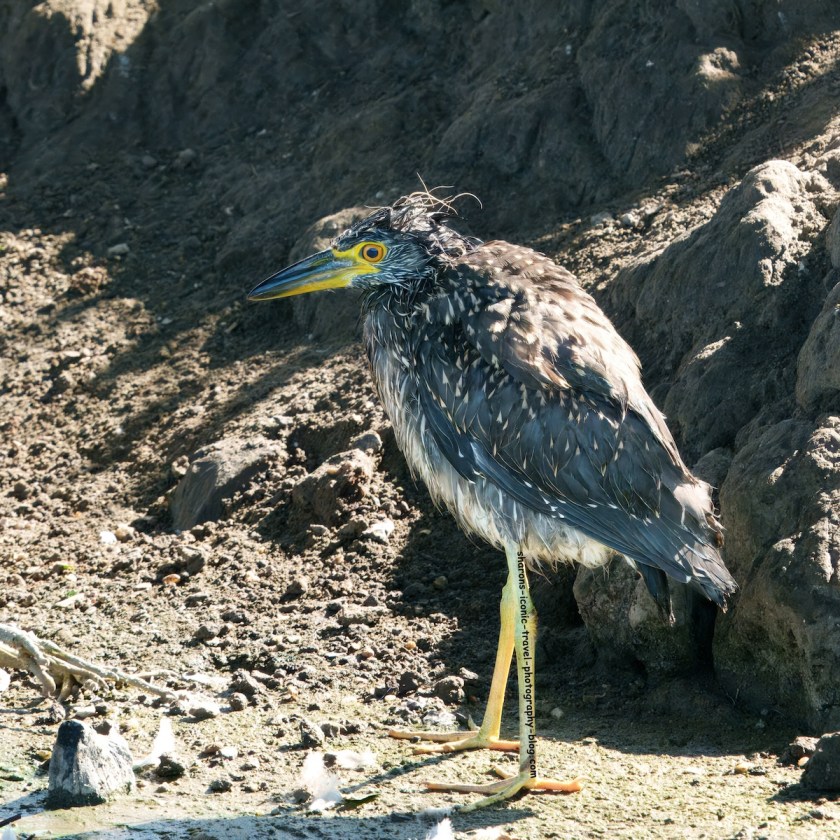
Juveniles are brown with white spots on the back and wings. The legs are yellow to orange yellow.

Yellow-Crowned Night Heron – Juvenile

I saw the juvenile near the adult. When the adult went to the top of the bank, the juvenile followed shortly thereafter and stood near it. I did see some juvenile herons in a rookery, but could only see their heads and part of their bodies so I am not sure if they were black-crowned or yellow-crowned night herons. Happy Friday!

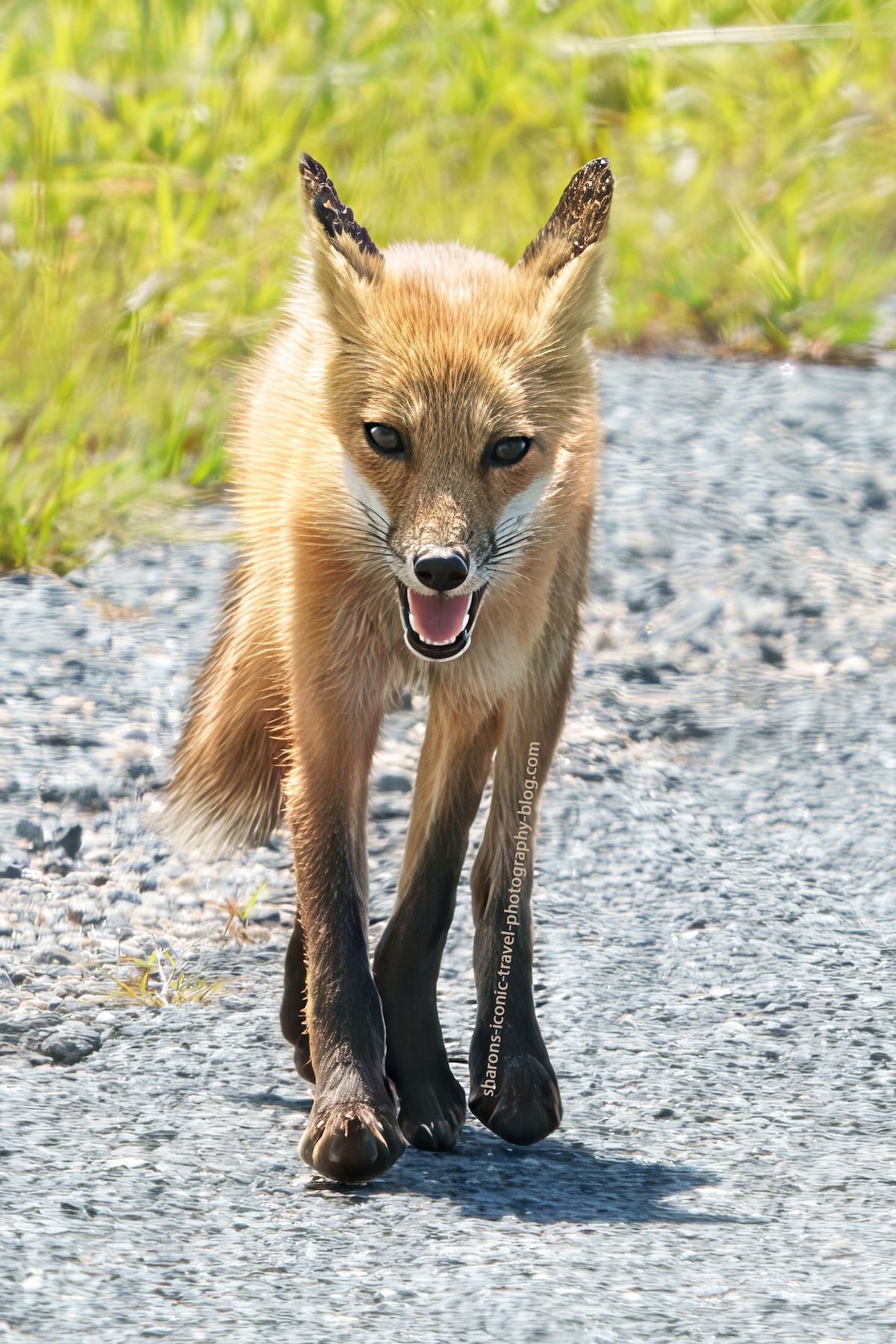
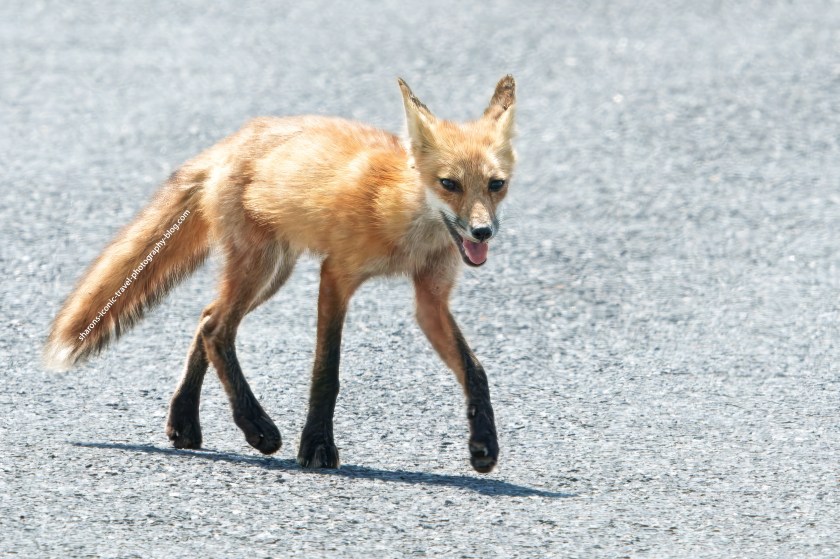
Fox on a Road

I have been seeing a lot of animals cross roads lately. I saw a bear cross a road today. This past week I parked along a road in the country to look at something and this fox was running down it.

Fox on a Road

It was running towards me and I got back in the car before it got too close. I am convinced it would have run right past me if I had not gone in my car. It appeared to possibly be a young fox.

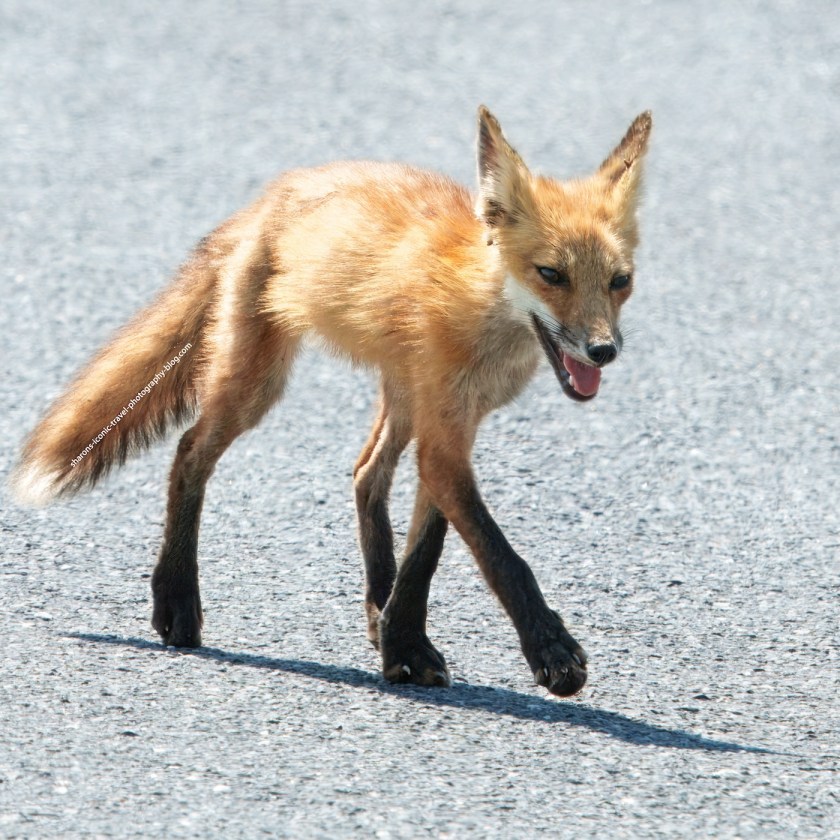
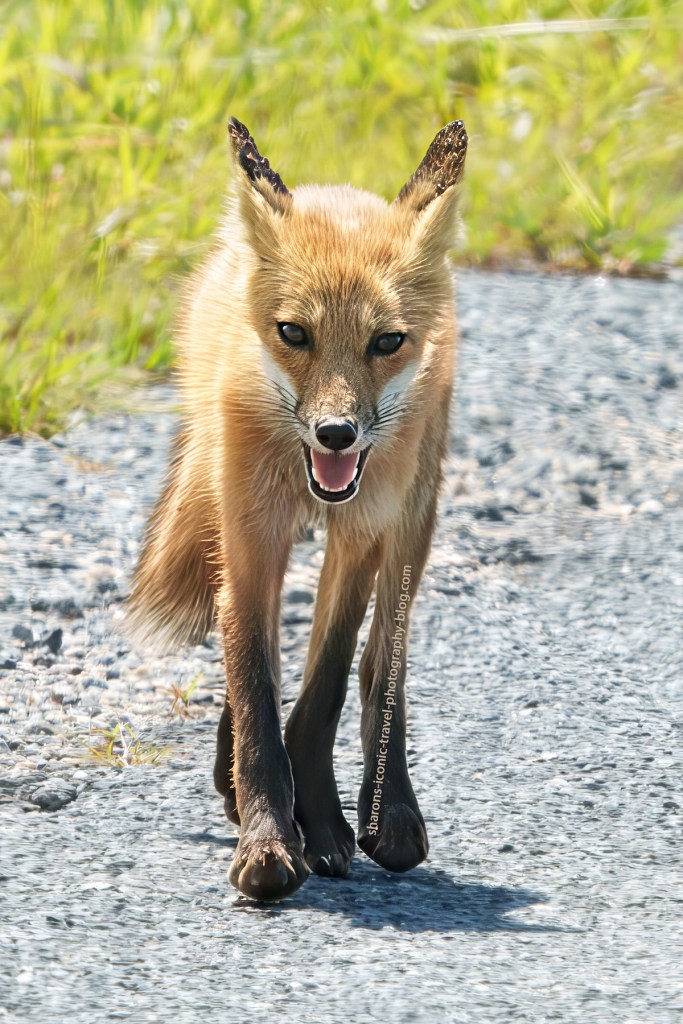
Fox on a Road
Fox on a Road- It looks like he has an issue with his ears.

All of these shots were taken with a zoom lens from afar and are cropped. To keep yourself safe and the animals safe, maintain a distance. Happy Monday.

Horses of Assateague

Assateague Island is known for its wild horses. All of these photos were taken inside the Assateague Island State Park.

Horses of Assateague

The pictures above and below were taken on the beach just after sunrise. Sometimes they like to watch the sunrise like we do. Sometimes they like to nap on the beach like humans.

Horses of Assateague

This horse looks like it is waiting for someone to turn on the water. I understand they figured out how to turn on the faucets. However, the sign placed behind the faucet may be preventing it from doing that. A park worker was in a vehicle close by. For safety of the horse and humans, one needs to stay at least 40 feet away from the horses.

Horses of Assateague

This younger horse was utilising the fence to scratch himself. If you go to the state park or the national park at Assateague Island, Maryland there are a variety of places you can spot a horse. Just do not get close, they are wild.

Ghost Crabs of Assateague

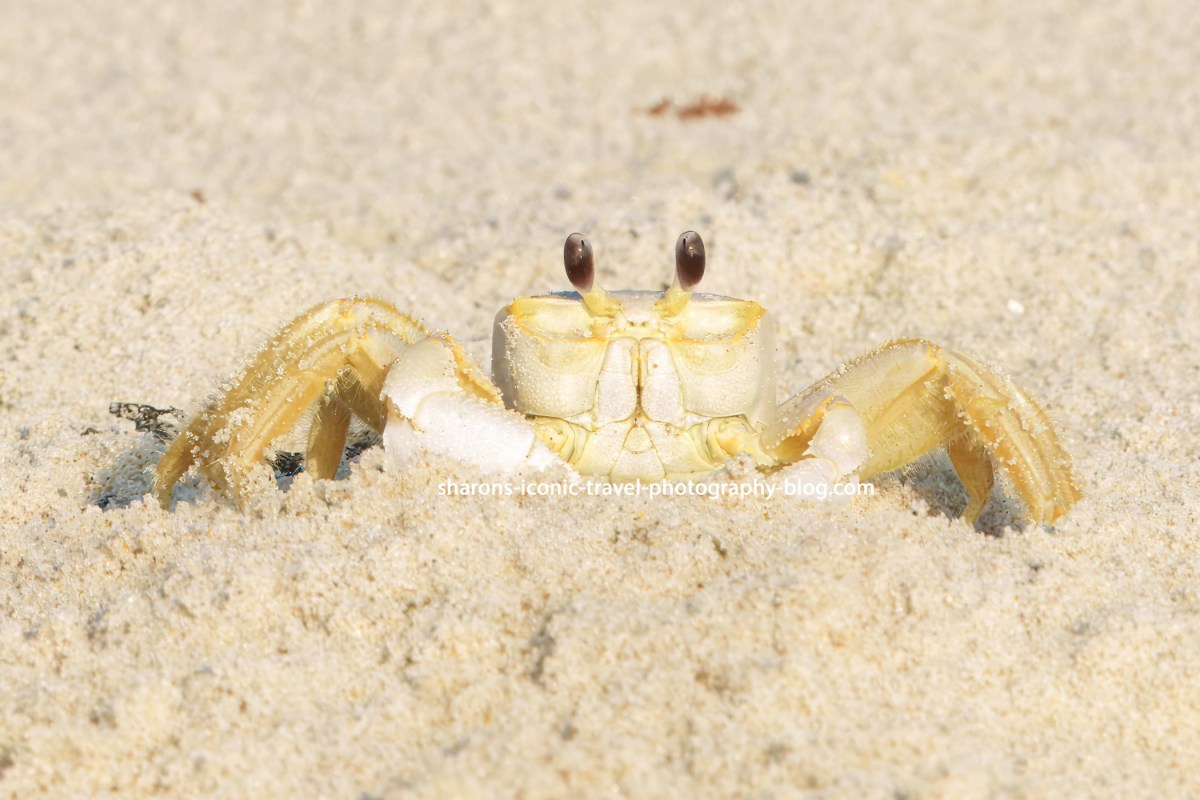
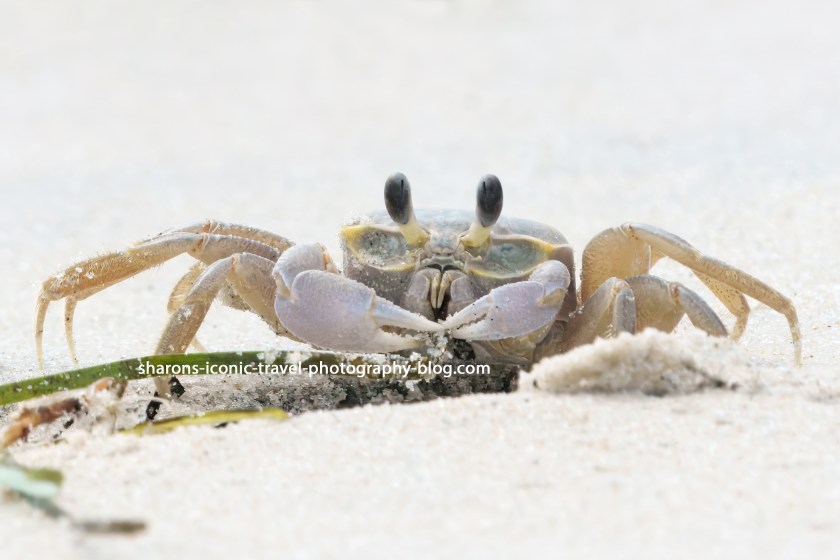
What are ghost crabs? They are small 2-3 inched sized crabs that live in nickel sized to half dollar sized holes in the sand. The entrance to their abode is between the high tide level and the low tide level. They have long legs and their eyes are sitting on the ends of stalks.

Ghost Crabs of Assateague

Although they spend most of the day under the sand and are known to come out at night, I found these in the early morning hours and late afternoon.

Ghost Crabs of Assateague – Atlantic Ghost Crab

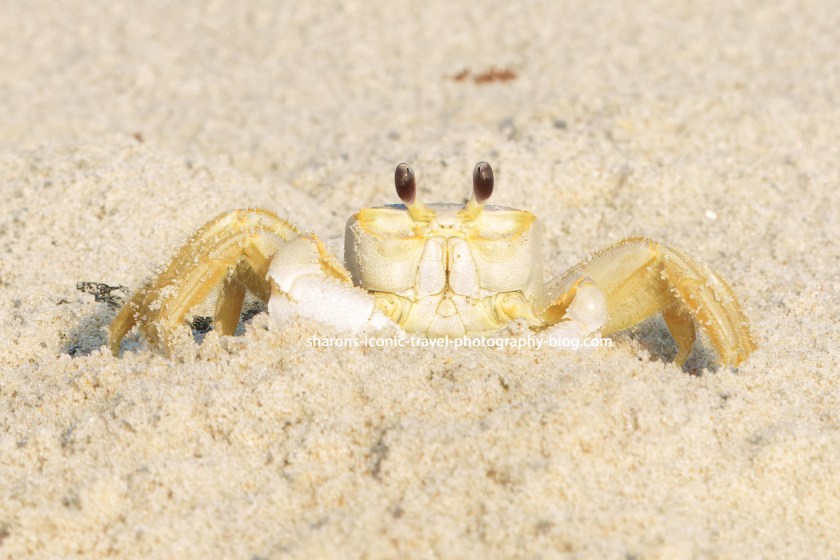
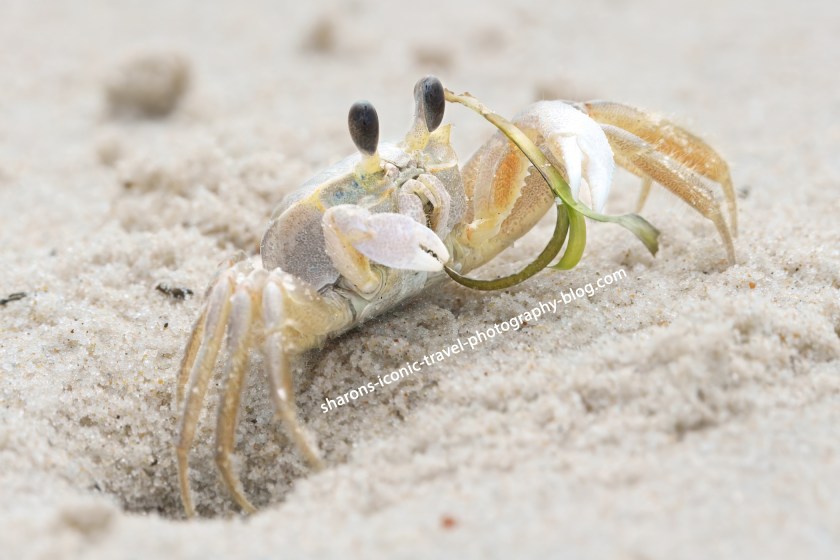
I think these are all Atlantic Ghost Crabs. They have a square shaped body that can change colours to match their surroundings. This helps them camouflage from their predators which include: seagulls, raccoons, and other shorebirds.

Ghost Crabs of Assateague

Atlantic Ghost Crabs are omnivorous. They eat, bugs, clams, eggs and hatchlings of loggerhead turtles, and plants. The only thing I caught them eating were grass like plants on the beach.

Ghost Crabs of Assateague

I saw many of these crabs along the Assateague Island State Park beach. One activity people do is bring a flashlight at night to the beach to find them. As you can see though, it appears you can also see them at times during daylight. If you go to Assateague, happy hunting!

Brown Pelicans of Assateague Island

What do people think of when they hear of Assateague Island? Many think of the wild horses and the pony swim from Assateague to Chincoteague Island. The pony swim was yesterday. However, there is much in terms of wildlife to see at Assateague. One bird that is prevalent is the brown pelican.

Breeding Adult Brown Pelicans

Brown Pelicans of Assateague Island

I made a world wind trip to Assateague earlier in the week. I injured my knee a few months ago and only have small windows to make short trips. Brown pelicans like to fly above the surf. I have seen them early in the morning at sunrise and at other times during the day.

Brown Pelicans of Assateague Island

They will fly solo or in small groups.

Brown Pelicans of Assateague Island

Sometimes they gather together in small groups on the beach or out beyond the surf. I was lucky to see the two above on the beach. Maryland and New Jersey are in it’s breeding range.

Juvenile BRown Pelicans

Brown Pelicans of Assateague Island

Juvenile brown pelicans are mostly brown. The adults have more white around their heads. A few juveniles were hanging out with some adults.

Brown Pelicans of Assateague Island

According to all About Birds, “They have thin necks and very long bills with a stretchy throat pouch used for capturing fish.” They scoop them up in their throat pouches, which are expandable. According to the NPS.gov site they also use their neck pouches to cool off on a hot day.

This year was the first trip I have seen the pelicans this close. They flew closer to land at the beach and over land. I have not seen them standing on the beach before on previous trips. Even though I only had a short window it was a great trip.

Forster’s Tern

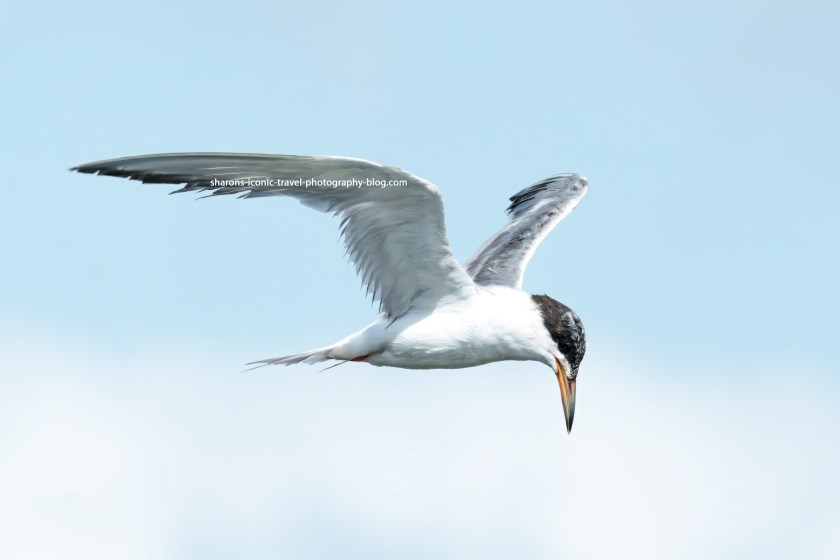
What bird is named after a famous naturalist ? It is the Forster’s Tern. Johann Reinhold Forster was a naturalist who voyaged with Captain Cook’s 2nd trip to the Pacific. Forster drew or cataloged 500 plants and about 300 animals.

Forster’s Tern

Appearance

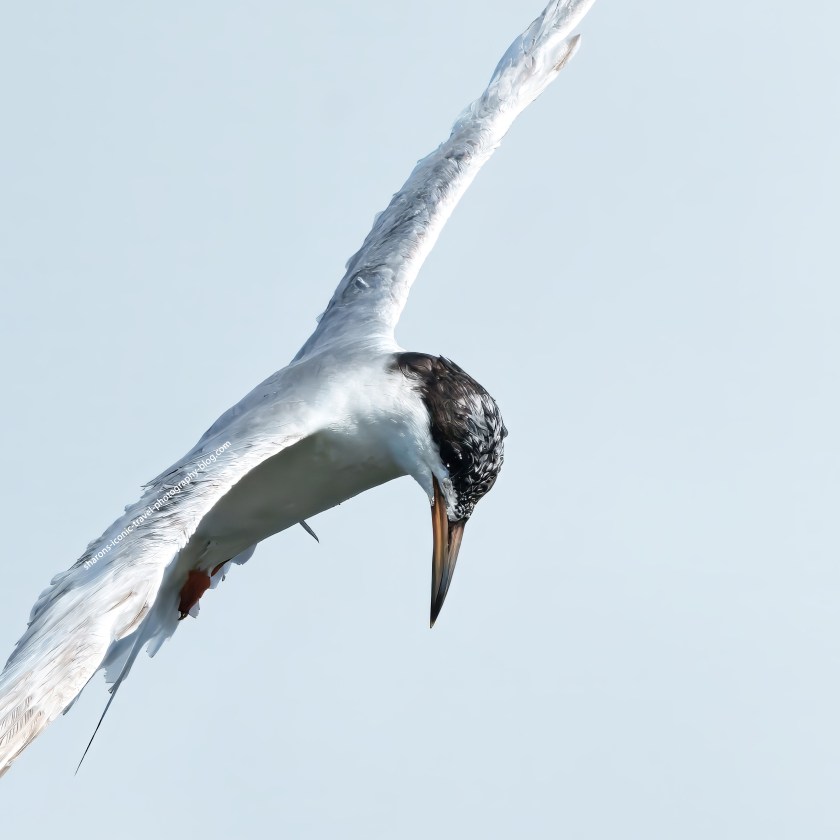
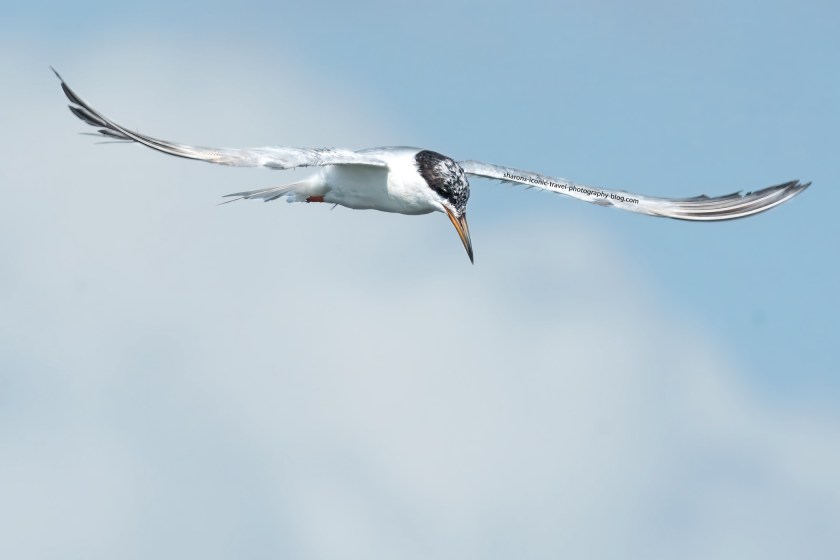
I saw this bird on the New Jersey shore area. Adults have a black cap and a black tipped orange bill. Their underside is while, while the wings may have gray coloring on top. It is in between a robin and a crow in size.

Forster’s Tern

Habitat

This tern can be in fresh water or salt water. It can be seen in marshes, bays and oceans. The map on All About Birds has the NJ coast as its breeding grounds. It goes further south to the lower US and the Central American coast in winter.

Forster’s Tern

Hunting

According to All About Birds this tern gets food by scanning for food over the water, about 20 feet above it, then dives in to capture their prey with their bill. Many times they stick close to the shoreline or close to it. Their dive is shallow up to about a foot below the surface. This is exactly what I saw. The road we could view from was maybe 20 feet or more from the water’s edge. Many times it was flying close to if not above the shoreline. I could not capture it diving in as plants obscured my view. Regardless, these birds were fun to watch.

Have a great weekend! Be safe!

Food Fight

In the US, when one thinks of a food fight, it means food is thrown. In the animal world, animals might be playing tug of war with food or trying to steal it from each other.

Food Fight – This is the dad with a fish.

The dad had the fish at this location for a while taking bites out of it. Meanwhile, at the nest nearby, the babies were going crazy making noise. These pictures were taken in New Jersey. The water in the background is the Atlantic Ocean.

Food Fight

After a long wait, the dad finally brought the fish over to the nesting platform. This nest has three babies on the right. The mom is on the left. It appears these young osprey have not fledged from the nest yet. Happy Friday!
Mandarin Duck

I had to use the Merlin app from Cornell University to identify these ducks. The adult duck came up as a Mandarin duck. The chicks were hanging out with or near the adult. I believe the adult is a female.

I then started looking for a male. I did not see anything that looked like a male Mandarin, or what I thought a male should look like. The Canon Bird Branch Project says says that in the summer the males have the same dull plumage as the females. Their plumage starts turning bright in the fall. I am guessing the male was still around, but mixed in with the ducks or hiding in vegetation.

According to SeaWorld,”These birds can be found in Korea, Eastern Russia, China, Taiwan, and Japan.” We are seeing a stray one here and there in New York and New England. This is most likely due to one escaping from a zoo or a farmer who had them in their collection.

Have a happy Wednesday!
The Osprey Fledged

I saw both young osprey fly from their nest on Friday morning. One made two trips from the nest and back making large circular flights from land to nest. The other one flew off a lot farther and I gave up waiting for it to return. Hopefully it did at some point.

The Osprey Fledged
The Osprey Fledged-Coming in for a landing

In the photo above one of the young osprey is flying in to land in the nest and it’s sibling looks like it is cheering it on.

The Osprey Fledged- Landing again

The above photo shows the young osprey approach to the nest after the second flight attempt. It did land on the edge.

Pursuit

The Osprey Fledged – One dad chasing the other dad

The adult male from the other nearby nest decided to harass the kids and mom in the nest I watch after the young osprey had flight practice. The mom complained loudly and the dad from this nest returned and chased off the other male. The male from the nest I watch is in the back. He is recognisable by his eye defect/ injury. The male in the front is the pest from the other nest.

The Osprey Fledged- One dad chasing the other dad

Have a happy Sunday!