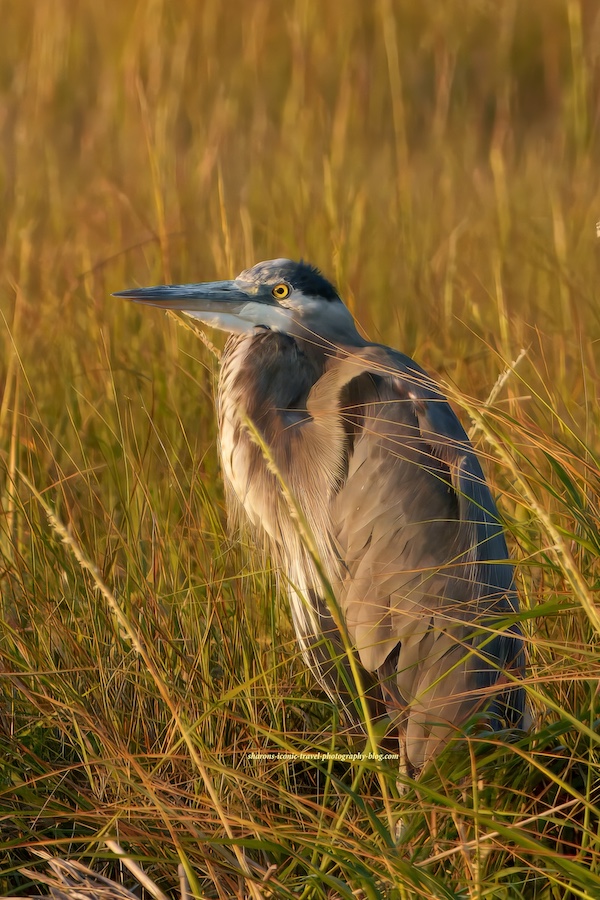
This great blue heron was not actively hunting, or did not appear to be. It may have been enjoying golden hour before sunset.
Great Blue Heron in Golden Light
This was taken in New Jersey on a previous trip from a great distance with a zoom lens. I wonder how the animals and birds are fairing in the Nor’Easter. Have a Happy Monday!
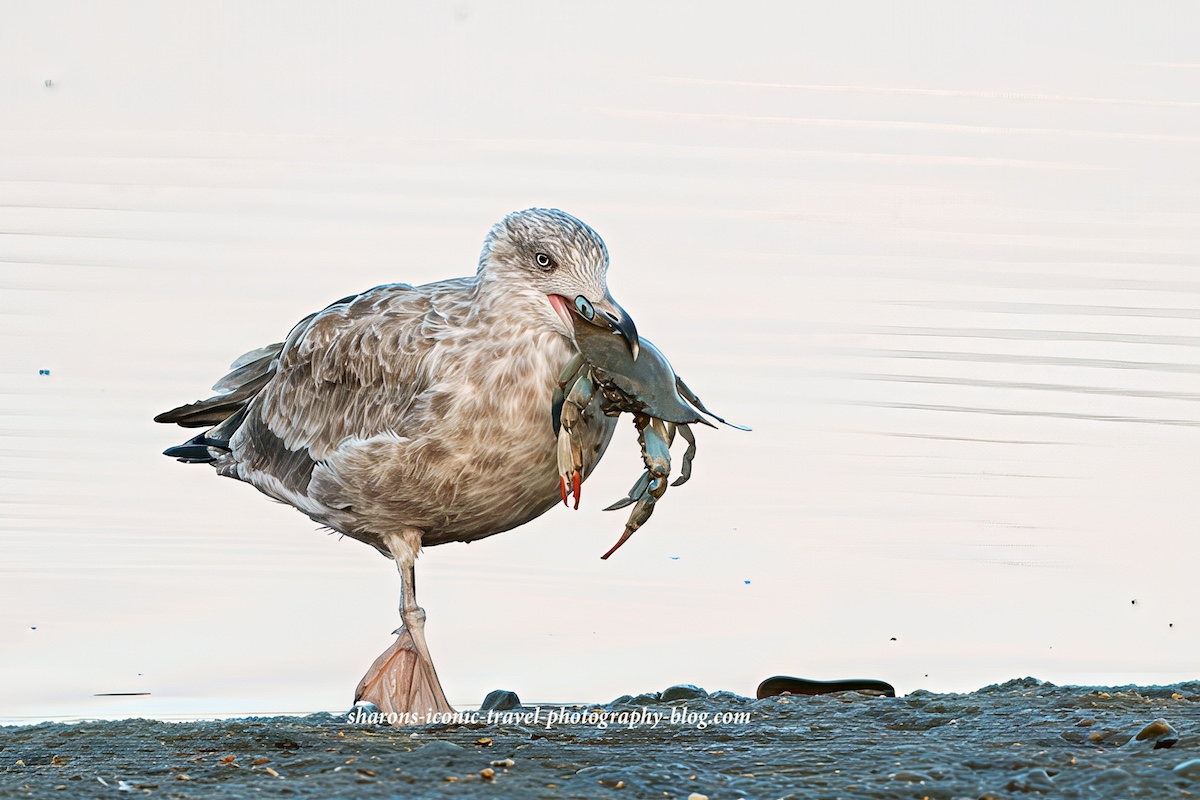
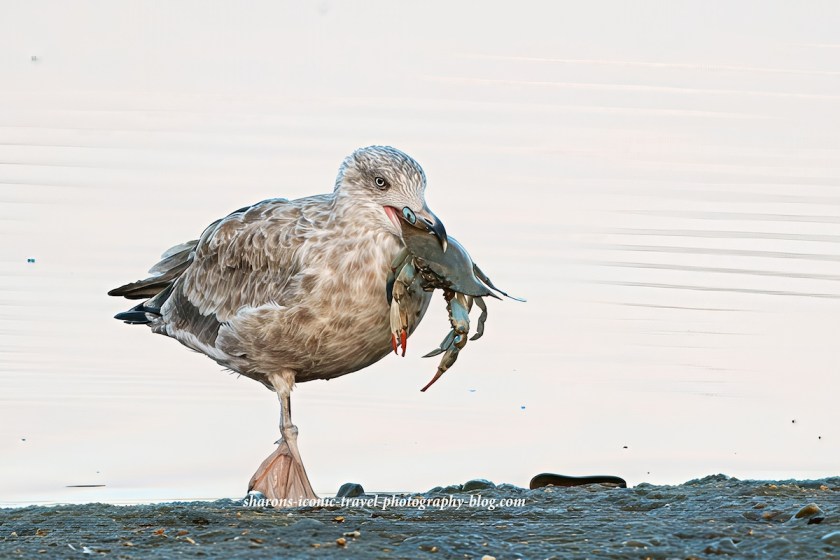
I believe this is a juvenile American Herring Gull with a blue crab. I spotted this in New Jersey.
American Herring Gull With Blue Crab
American herring gulls , according to All About Birds, eat fish, insects, smaller seabirds, and even feed on adults, young, and eggs of other gulls. They also take mussels, crabs, sea urchins, crayfish, clams, and mussels.
I was hoping to go back to the same spot this weekend, but alas a nor’easter has affected the weather prior to its arrival. Maybe another weekend coming up I can swing it. We are predicted to get much needed rain, however, hopefully not too much. Have a Happy Sunday!
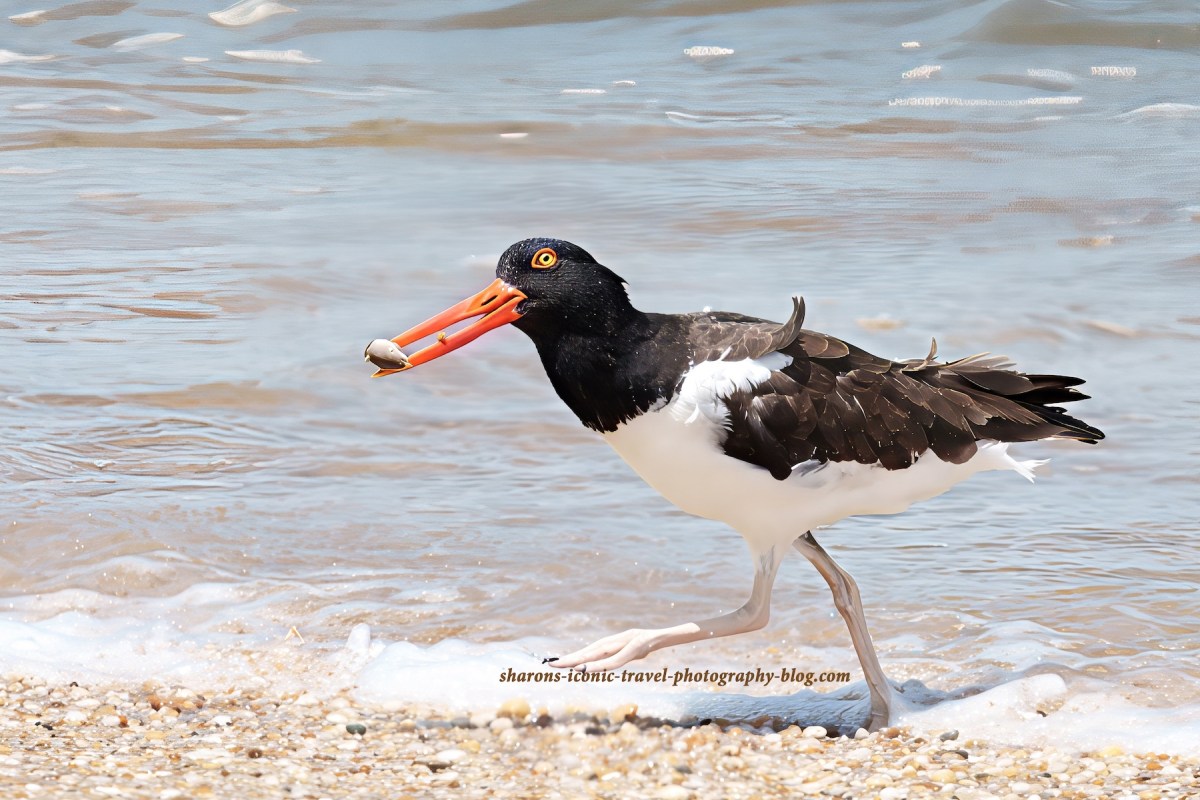
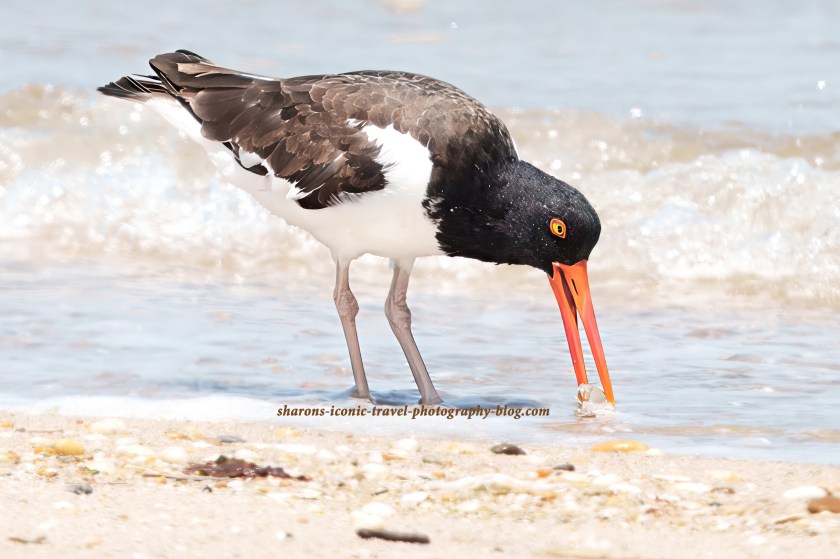
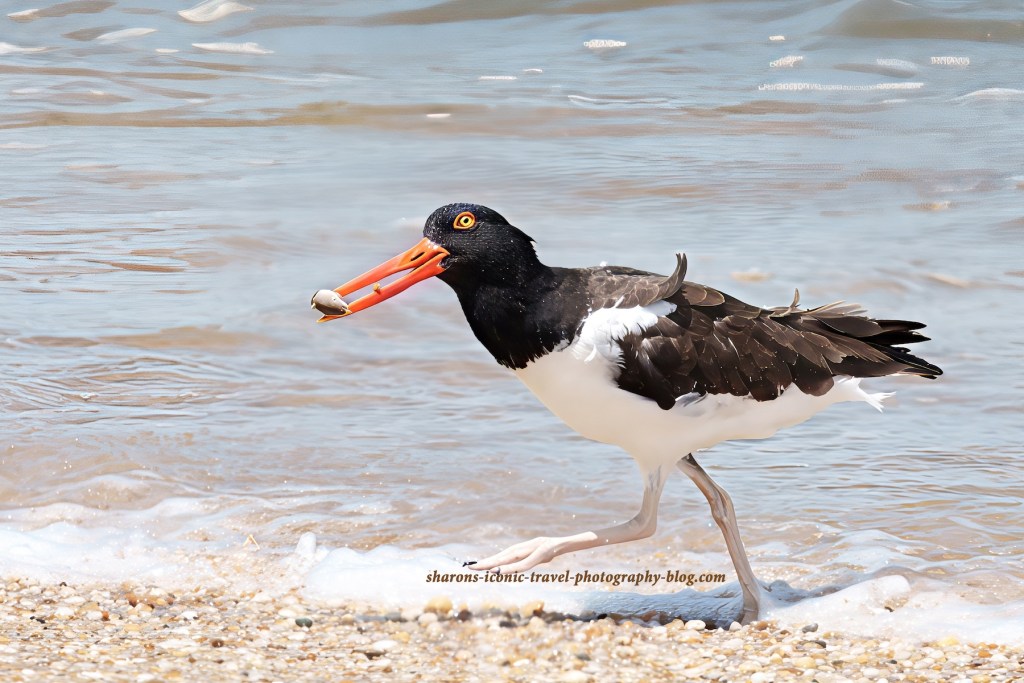
This is one of those at least I caught it photos. If I remember correctly the beach was closed beyond where I sat because of it being a nesting area for most likely another bird. This oyster catcher flew into the area in front of me and was looking for a meal.
American Oyster Catcher in NJ
According to All About Birds “American Oystercatchers are the only birds in their environment with the ability to open large molluscs such as clams and oysters.”
American Oyster Catcher in NJ
Even though it was still quite a distance, at least I saw it. These were taken with a zoom lens and are heavily cropped. Have a great Sunday!
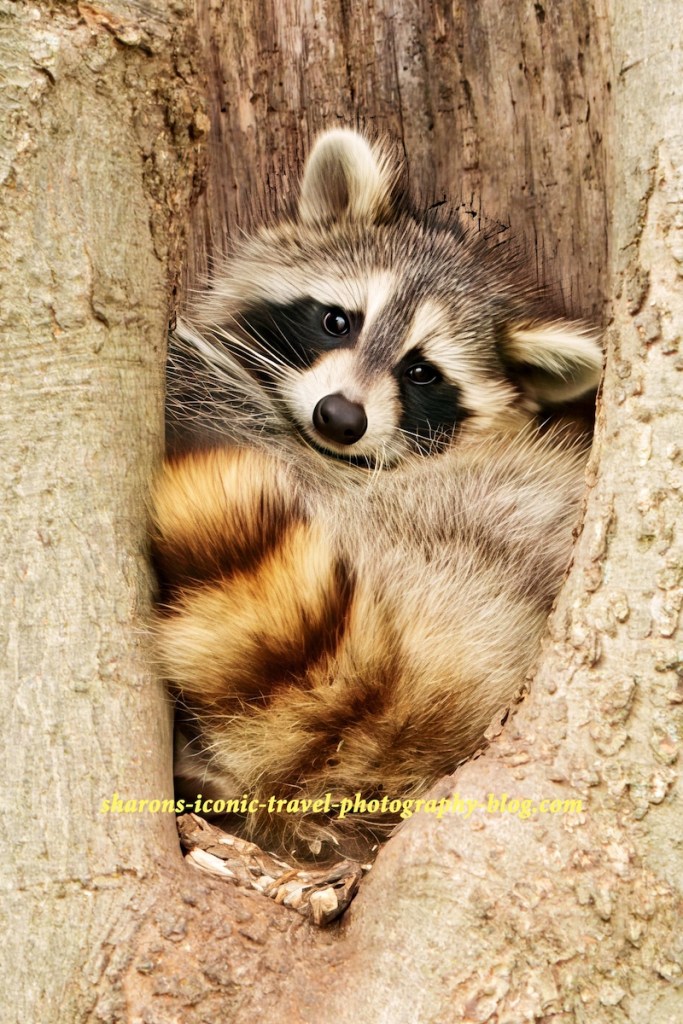
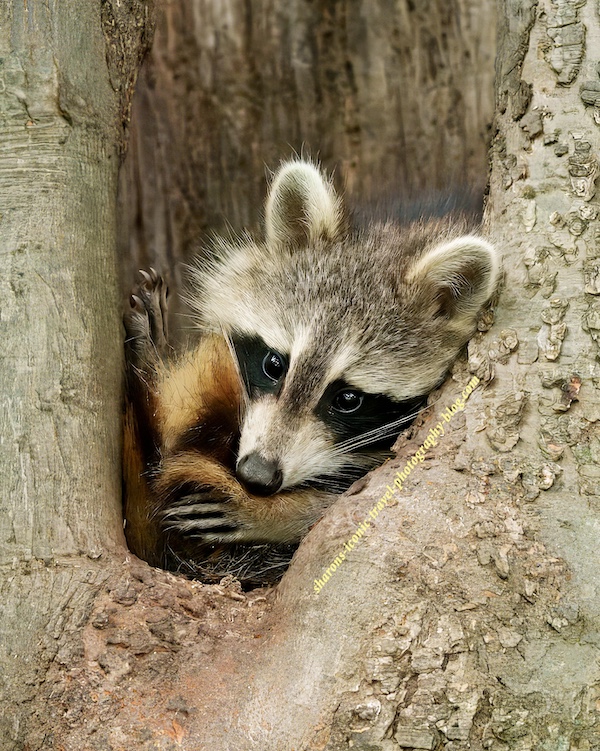
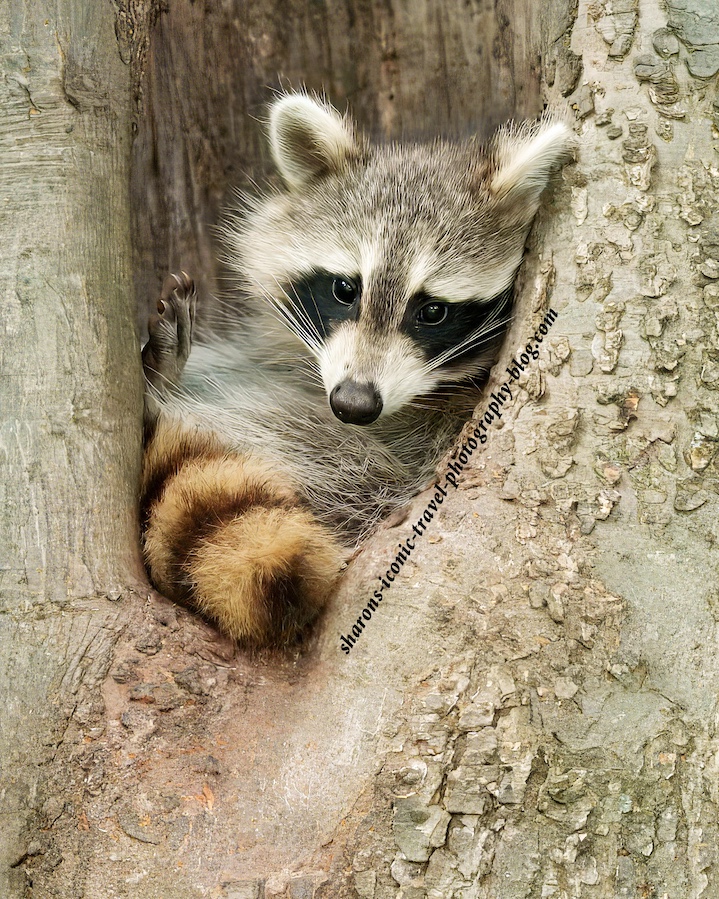
I have been swinging by this tree at least once a week for the past few years hoping to find an owl. Instead this morning I saw a tail and an ear. It was a racccoon.
It is a different tree from the one I posted a picture or a raccoon poking out of the hole in June. When I went by this morning, nothing was waking it up, and there was a lot of noise nearby. I returned before sunset and had to wait a while before it started stirring. It was too dark to use a zoom lens. I got closer to the tree than I normally would, but not too close. These are cropped quite a bit.
Since I have not see another hole occupant before, I am guessing this may not be this raccoon’s normal home. Possibly he was on top of the sleeping pile if he was with family. Have a Happy Thursday!
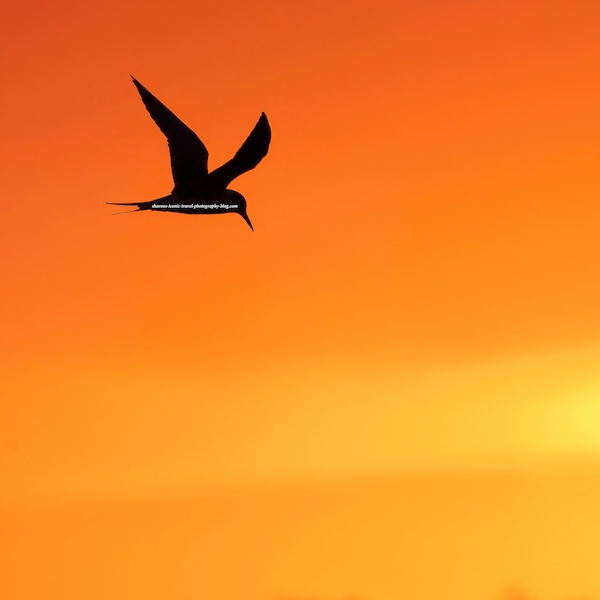
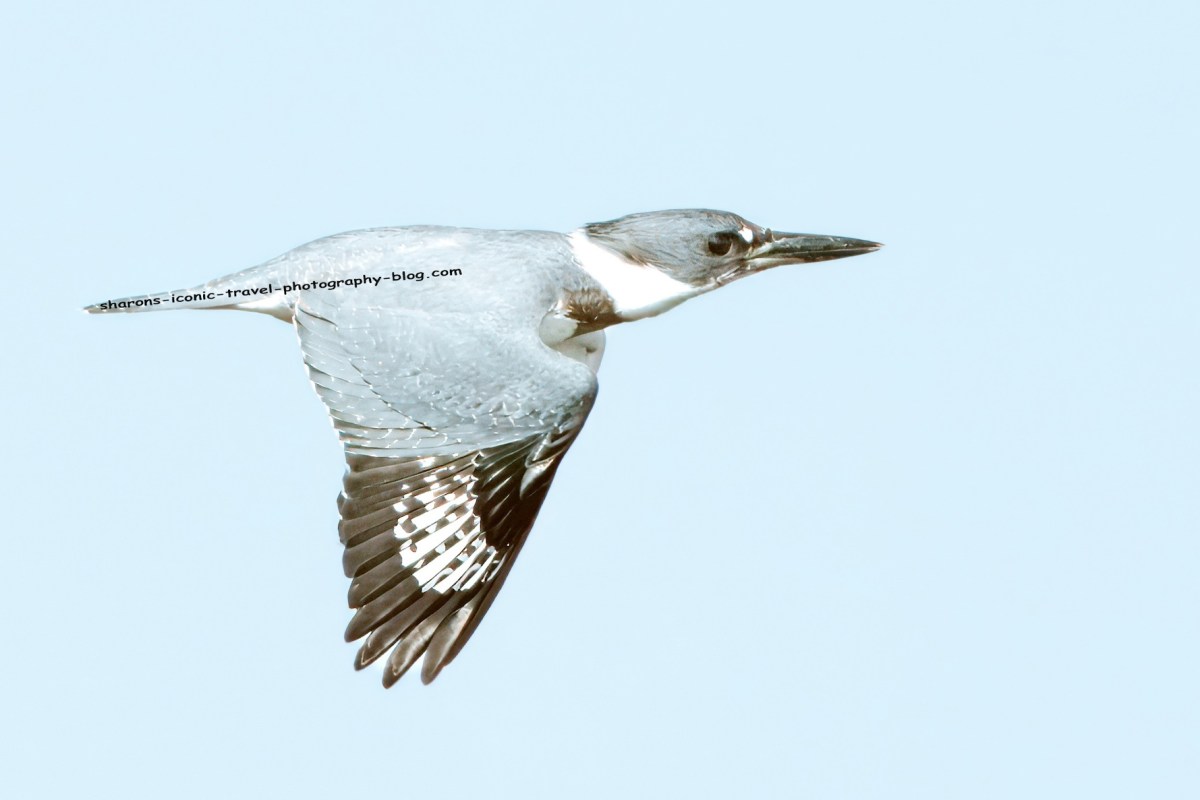
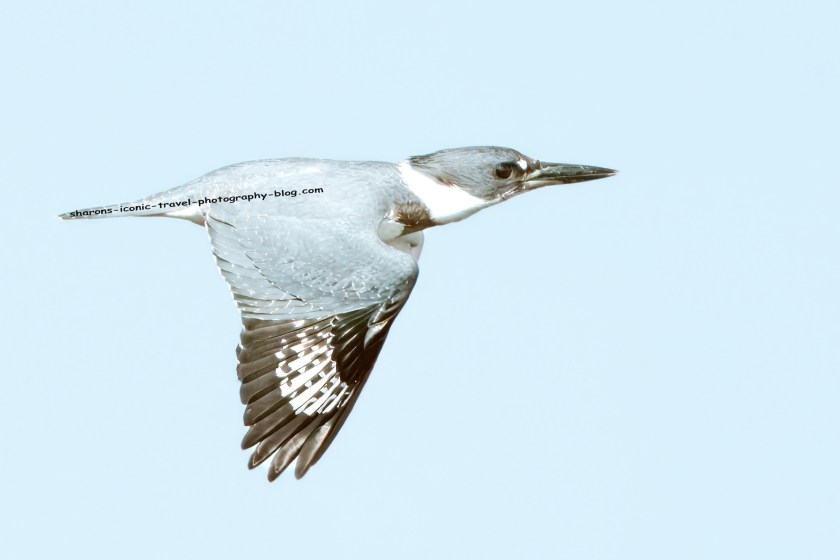
This was one of the many birds I saw in Southern New Jersey on a trip. It is a belted kingfisher. I am not seeing the belly, but I am guessing it is a male.
Kingfisher in Flight
There was a large contingent of birds in this spot, and there appeared to be fish for everyone. According to All About Birds the kingfisher eats fish like “sticklebacks, mummichogs, trout, and stonerollers. They also eat crayfish and may eat other crustaceans, mollusks, insects, amphibians, reptiles, young birds, small mammals, and even berries.”
Frequently I see them perched on a tree branch looking down in the water for fish swimming by. They dive in the water when they spot one. Have a happy Wednesday!
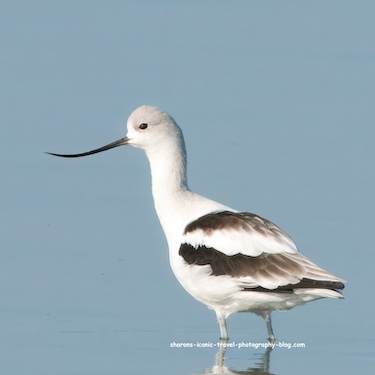
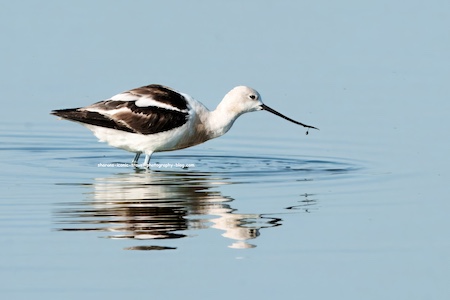
Merlin did not have a match for this, as New Jersey is not supposed to be in it’s range. It is an American Avocet and appears to be a non breeding adult or an immature.
It’s normal non breeding areas include the Virginia coast and south. This one was with another avocet with slightly different colouring. Its breeding areas appear to be in the mountain area of the central US.
This is one more bird that is outside their normal area. Have a great Tuesday!
This great blue heron had the best fishing spot. He was at one end of a culvert under a road while the tide was going out. He was catching fish left and right. This time he caught two fish at the same time.
Two For One DealTwo For One Deal
He was the centre of attention as other wading birds stopped, drew near and stared at him. Were they in awe of his fishing prowess? Did they hope he would drop one and they could fight over it? Did they hope he would share with one of them? He did drop them both it appeared as he waded to a beach area. Then, he appeared to pick the larger one up and eat it.
Two For One Deal
Then he walked off with the smaller one as the wading birds lost interest. Have a Happy Tuesday!
Black skimmer gets it’s name because it skims the surface of the water with it’s open bill. They are trying to feel the fish in the water.
Black Skimmer
I caught this bird flying at different times during the day, but saw more activity early morning and near sunset. I know fishermen like those times as well as when I am putting in a kayak early morning or taking out before dark I see them in their boats. All About Birds says “Its use of touch to catch fish lets it be successful in low light or darkness.”
Black Skimmer- This one was taken on a different day in different lighting conditions.
Coastal New Jersey is in it’s breeding area. However, I think I only observed adults in August.
Black Skimmer
They eat many kinds of fish including: smelt, flounder, menhaden, herring, among others. They will also go after shrimp and blue crab. They mostly choose fish 5 inches or less it sounds.
Black Skimmer
I was on a road with water on both sides and was surprised how close they would fly to me. Frequently they would fly over the road quite close. Either they were totally oblivious to me standing there, or they were giving me a show. Have a great week!
These white ibis babies were younger than the previous ones I posted. It looks like this one is on a small nest within a tree. The babies do not really look a lot like the parents.
White Ibis Babies
When baby Ibises hatch their bills are straight. They do not curve. The beaks start to curve at about 14 days old. I usually do not like using Wikipedia. They say they get this “Stork, Ibises, and Spoonbills of the World” by James Hancock , which was not accessible online. “The newly hatched American white ibis is covered with violet down feathers, deepening to dark brown or black on the head and wings….develops three black rings from around day six, before turning grey by around six weeks of age. ..then a few weeks later turns pink.”
White Ibis Babies- Tired
On the above two pictures you can see the three grey rings on the beak. So in August this baby white ibis was after 6 days old, but before 6 weeks old.
White Ibis Babies
According to NPS.gov immature ibis are dark brown with a white belly and white rump.These ibis seem to be older than the first two pictures. They would seem to be less than 6 weeks old though as they still have the three gray rings on their beak. Their feathers seem more brownish.
White Ibis Babies
I felt bad for the mom with the two babies. They seemed to be constantly chatting away to her. I am guessing they were begging for food. Animal parents get little sleep either it appears. White Ibis are not even supposed to be in NJ, however they are there in multiple spots. The Merlin App would not even provide a match for it. I hope you had a restful Labor Day.