Mandarin Ducks November

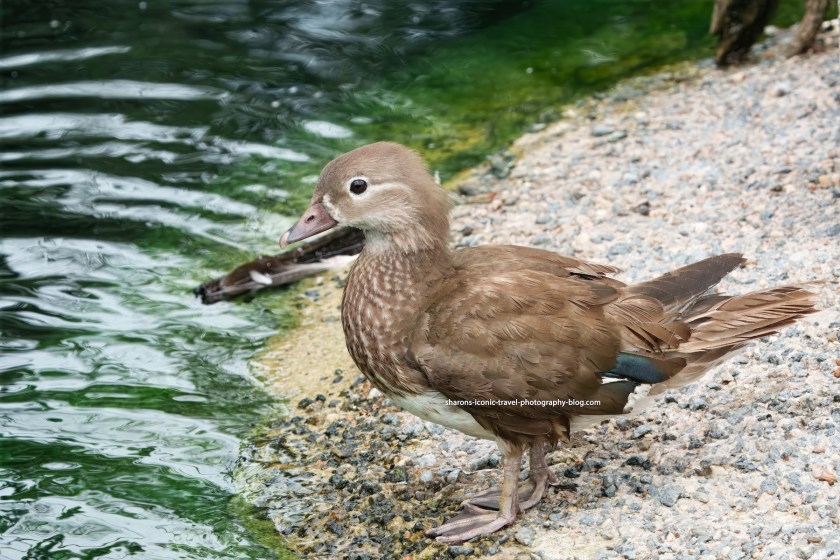
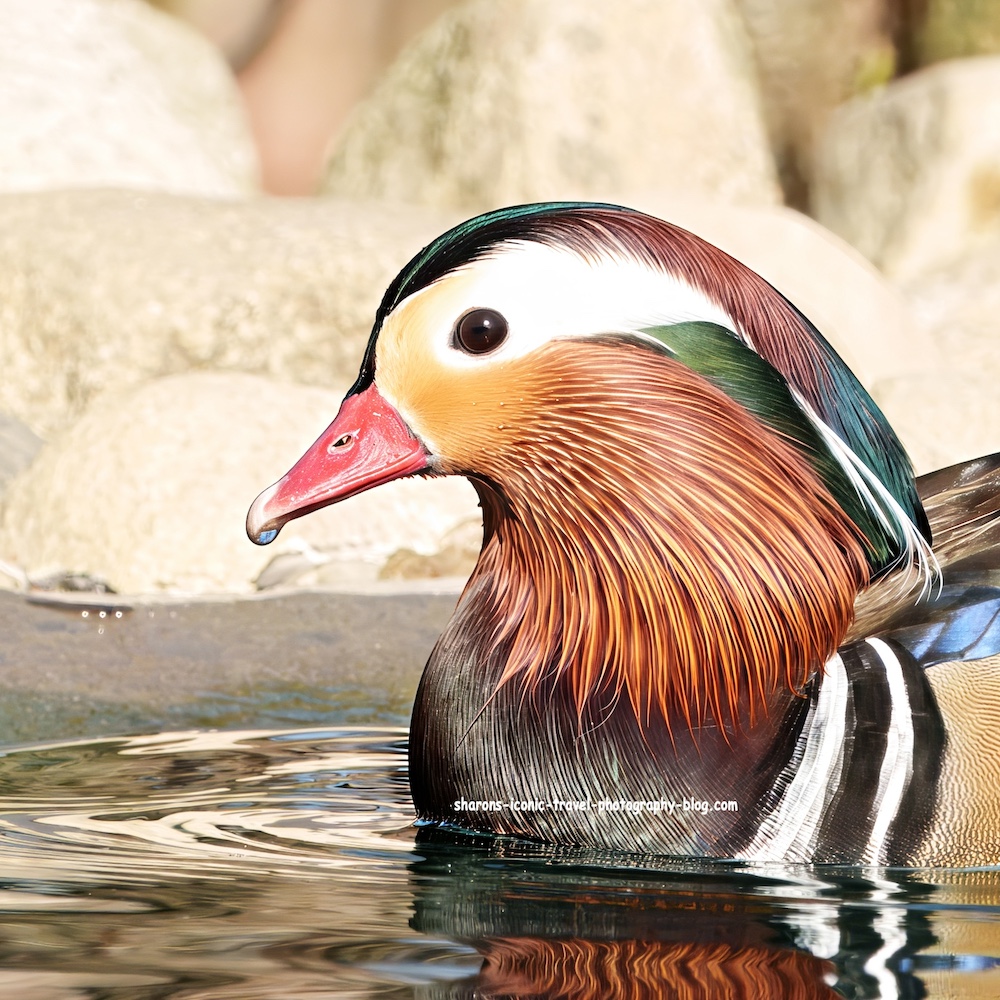
At this location I was able to spot a pair of Mandarin Ducks. The male is brightly coloured and the female’s colours are more gray, brown and white.

FEmales
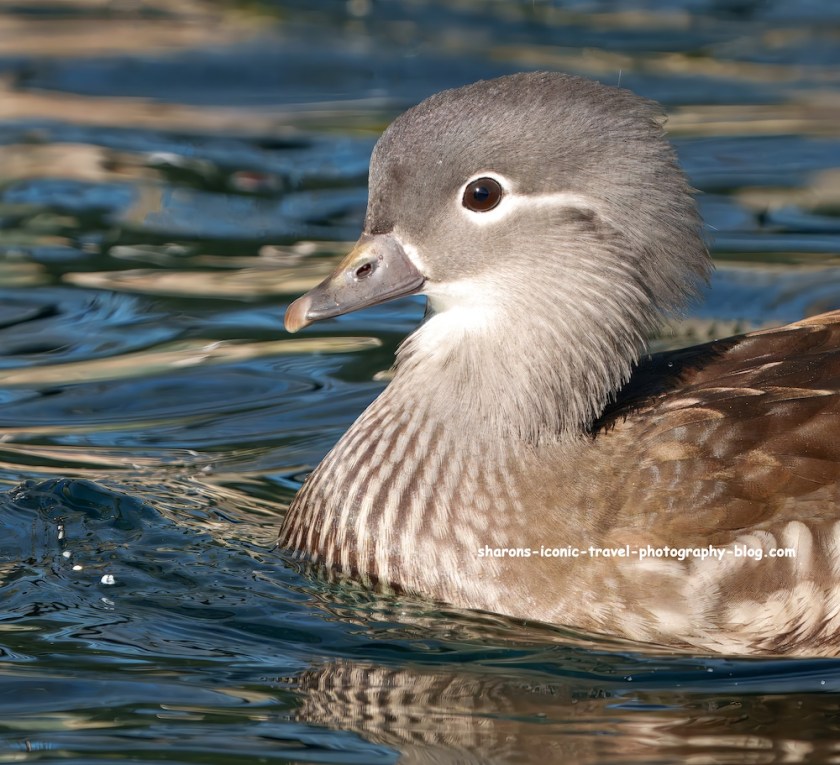
Mandarin Ducks November- Female

The female can lay from 9-12 eggs. The ducks reach maturity at a year old. Despite laying 9-12 eggs they say there are only about 65,000 Mandarin ducks in the wild.

Males
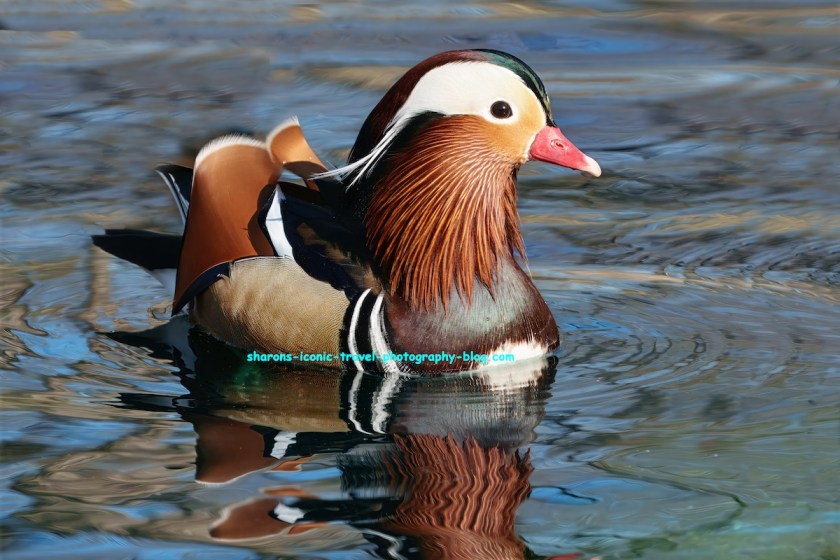
Mandarin Ducks November- Male

Male Mandarin ducks go blend in after breeding season. The males molt or shed the bright feathers, taking on the colouring more like females for a few months. Males gain back their winter plumage in the US in October or November from what I understand.
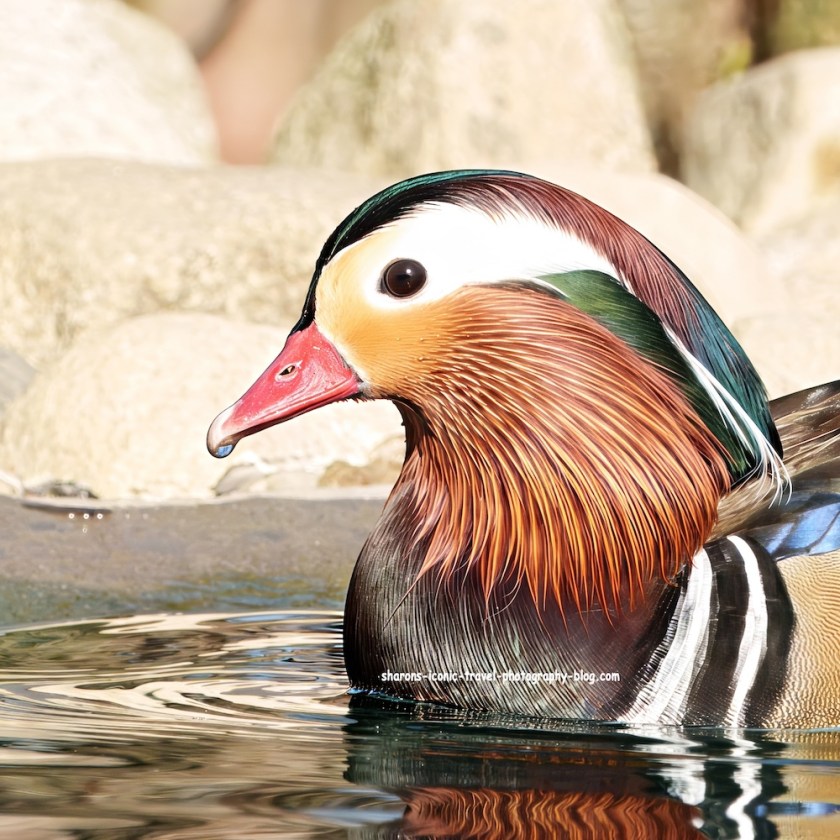
Mandarin Ducks November- Male

Mandarin ducks are not hunted for food because they taste bad according to Sea World. Here in the US some people and zoos have Mandarin Ducks and they escape and join other wild ducks. Have a Splendid Sunday!
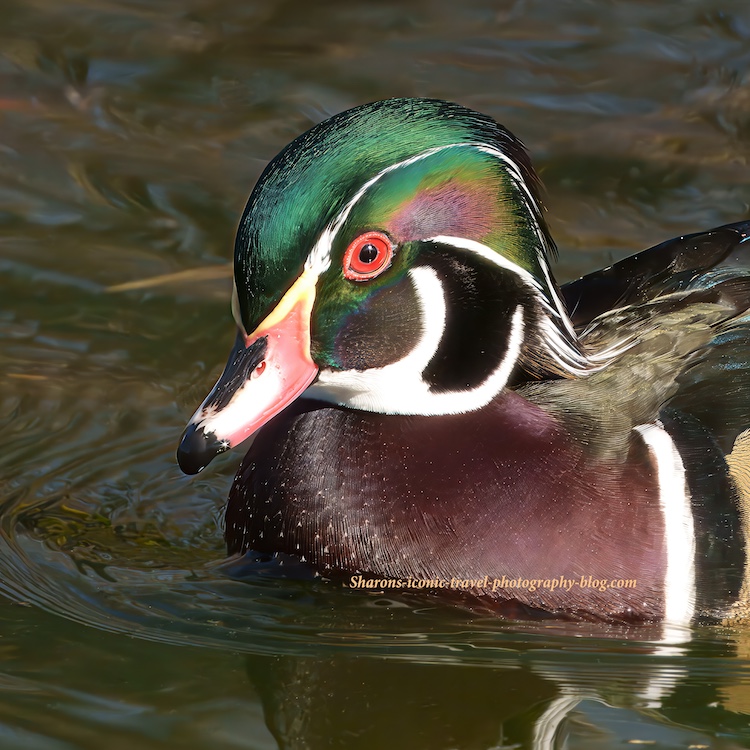
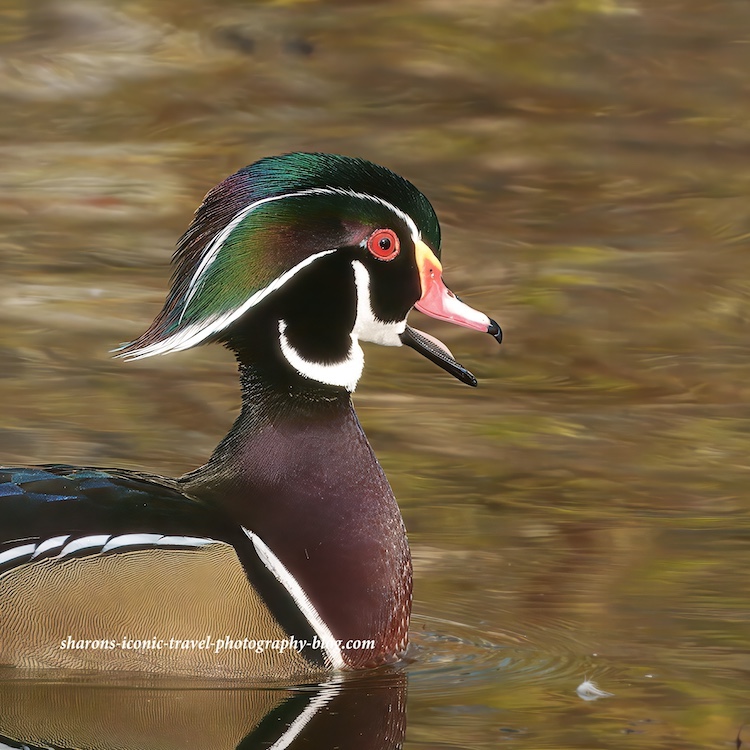
Male Wood Duck in Autumn

I have seen wood ducks at a few places, but only from a distance. They seem very skittish. Sometimes it may be because the location gets a lot of traffic in terms of people, but they seem more on guard. This location had less people and when I was by myself I had the most luck.

Male Wood Duck in Autumn

Wood ducks will hang out in wetlands, marshes, streams, ponds and lakes. I have seen them in wetlands, streams, and ponds. People put up nesting boxes and they will use them. They will also nest in trees. They are native to most of the eastern part of the US year round.

Male Wood Duck in Autumn

Wood ducks will eat seeds, fruit, insects, acorns, flies, beetles, caterpillars, and a variety of plants. They feed by making short, shallow dives called dabbling.

I was at this location for about 3 and a half hours trying to view this duck between branches, grasses and other obstructions. Sometimes it is worth the effort. Have a Happy Monday!

Mandarin Duck

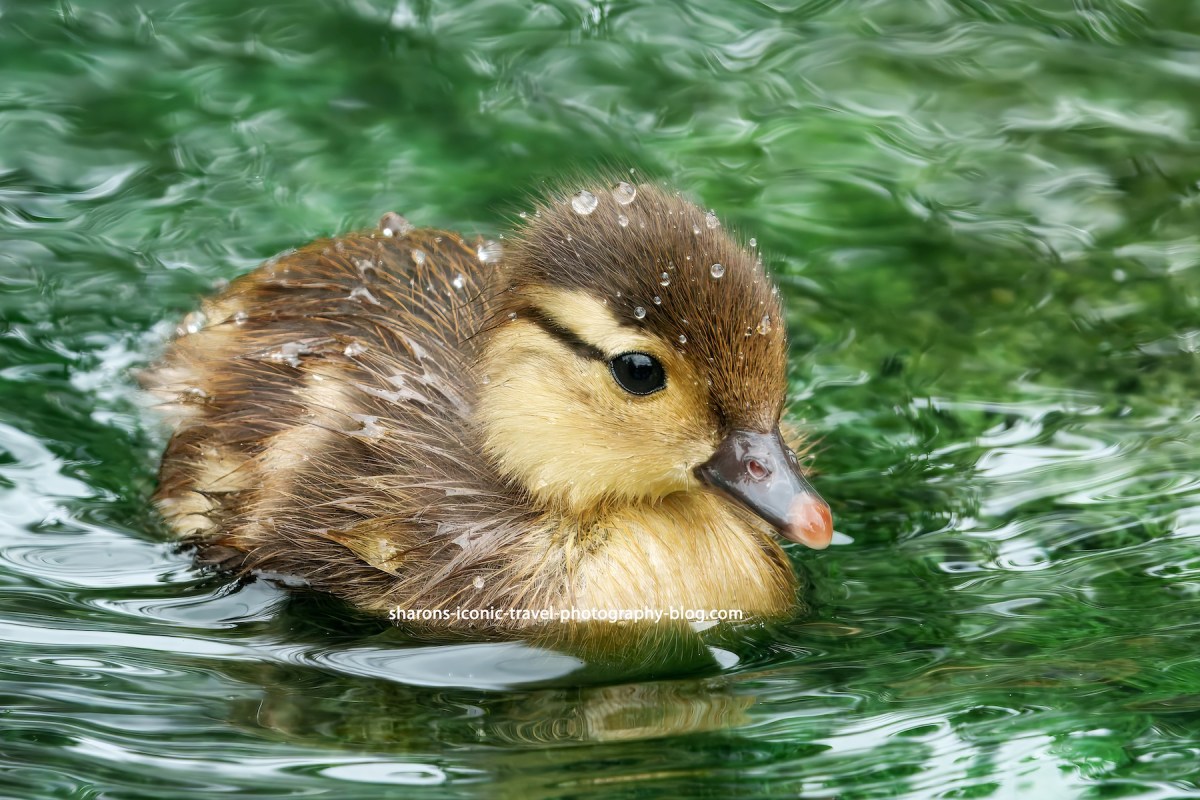
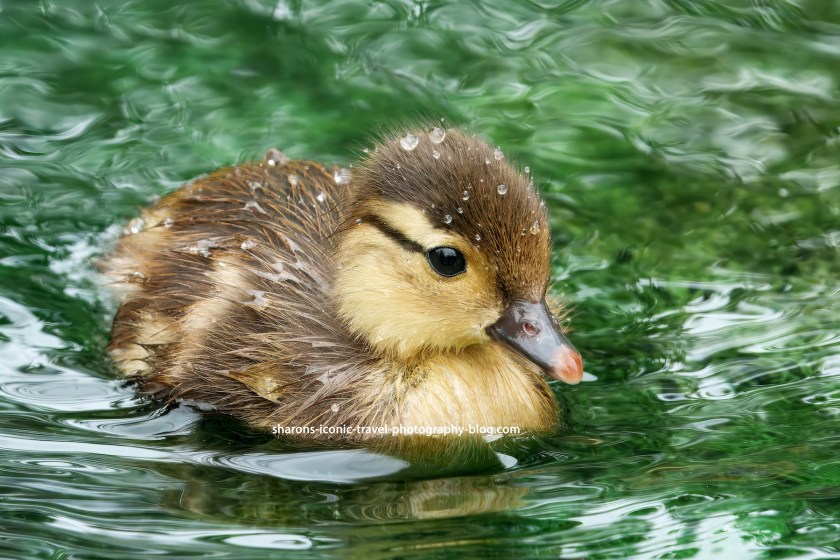
I had to use the Merlin app from Cornell University to identify these ducks. The adult duck came up as a Mandarin duck. The chicks were hanging out with or near the adult. I believe the adult is a female.

I then started looking for a male. I did not see anything that looked like a male Mandarin, or what I thought a male should look like. The Canon Bird Branch Project says says that in the summer the males have the same dull plumage as the females. Their plumage starts turning bright in the fall. I am guessing the male was still around, but mixed in with the ducks or hiding in vegetation.

According to SeaWorld,”These birds can be found in Korea, Eastern Russia, China, Taiwan, and Japan.” We are seeing a stray one here and there in New York and New England. This is most likely due to one escaping from a zoo or a farmer who had them in their collection.

Have a happy Wednesday!