I believe this is a white-breasted nuthatch. I saw this in a park next to the Hudson River in the Hudson Valley of New York. Most of the US including New York State is part of their year-round range.
White-Breasted Nuthatch
According to All About Birds white-breasted nuthatches get their name from their habit of jamming large nuts and acorns into tree bark, then hitting them with their sharp bill to “hatch” out the seed from the inside.
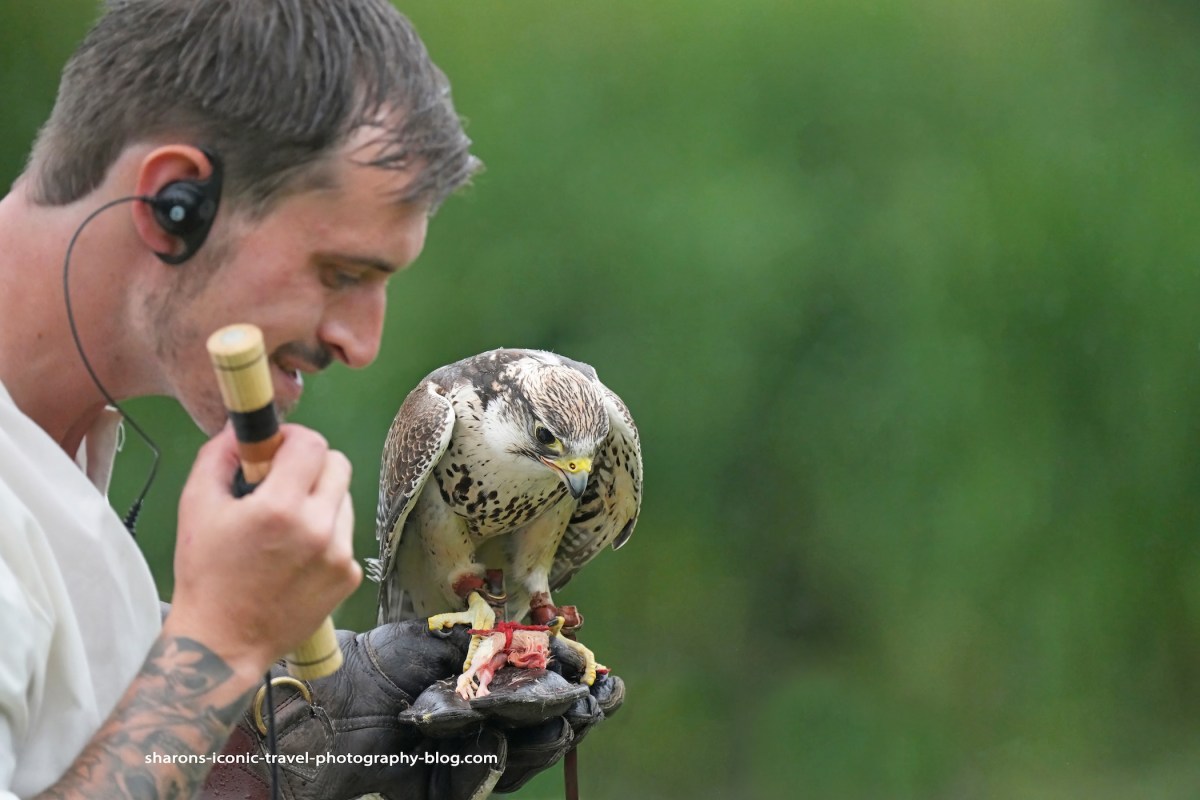
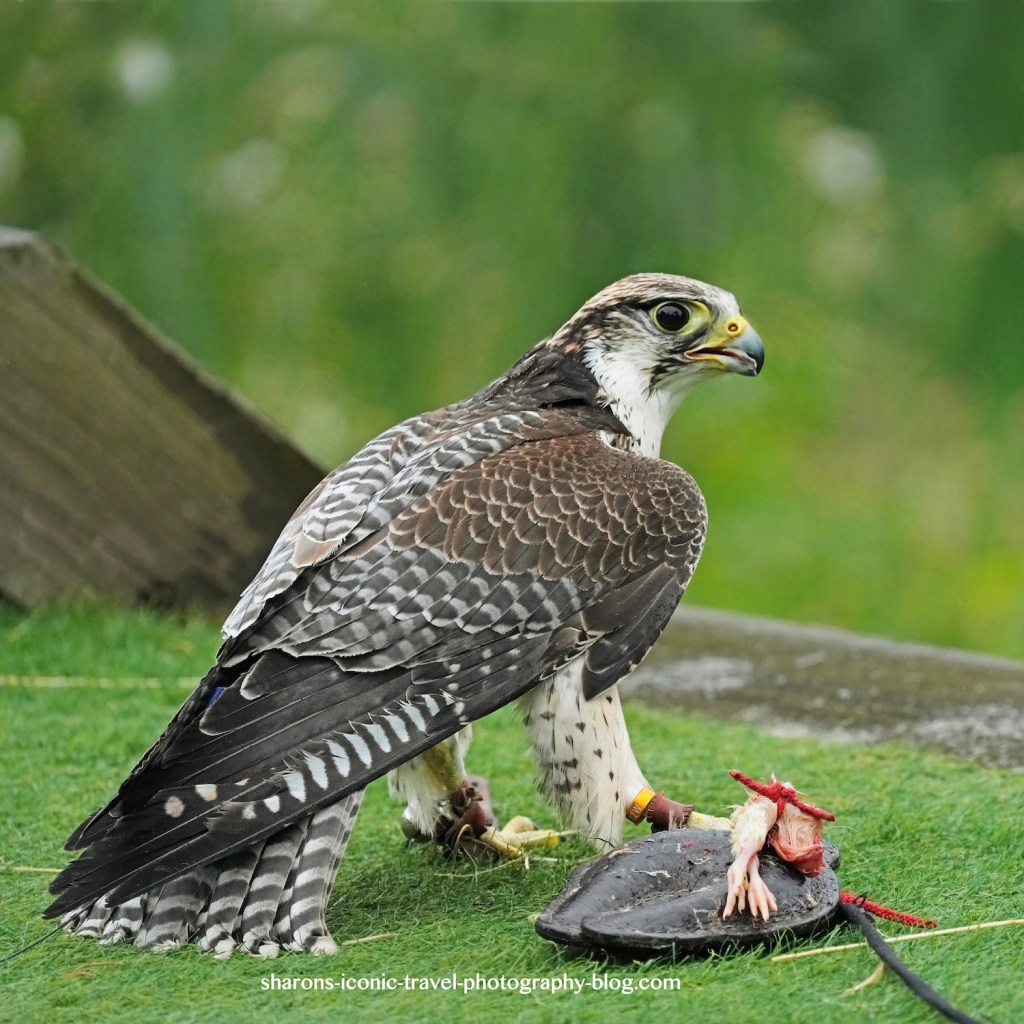
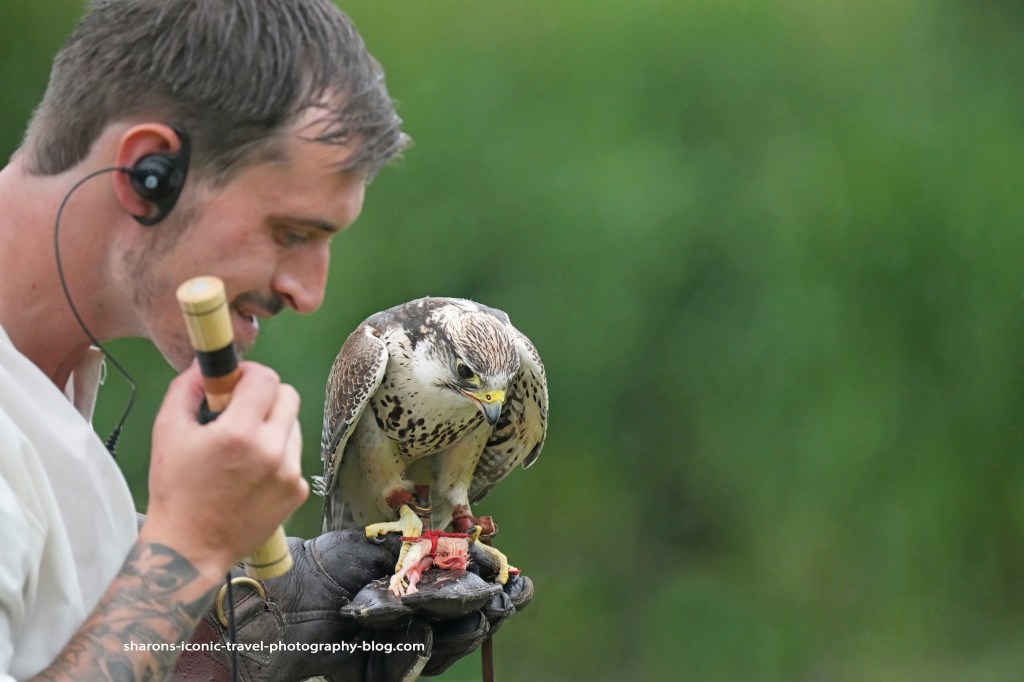
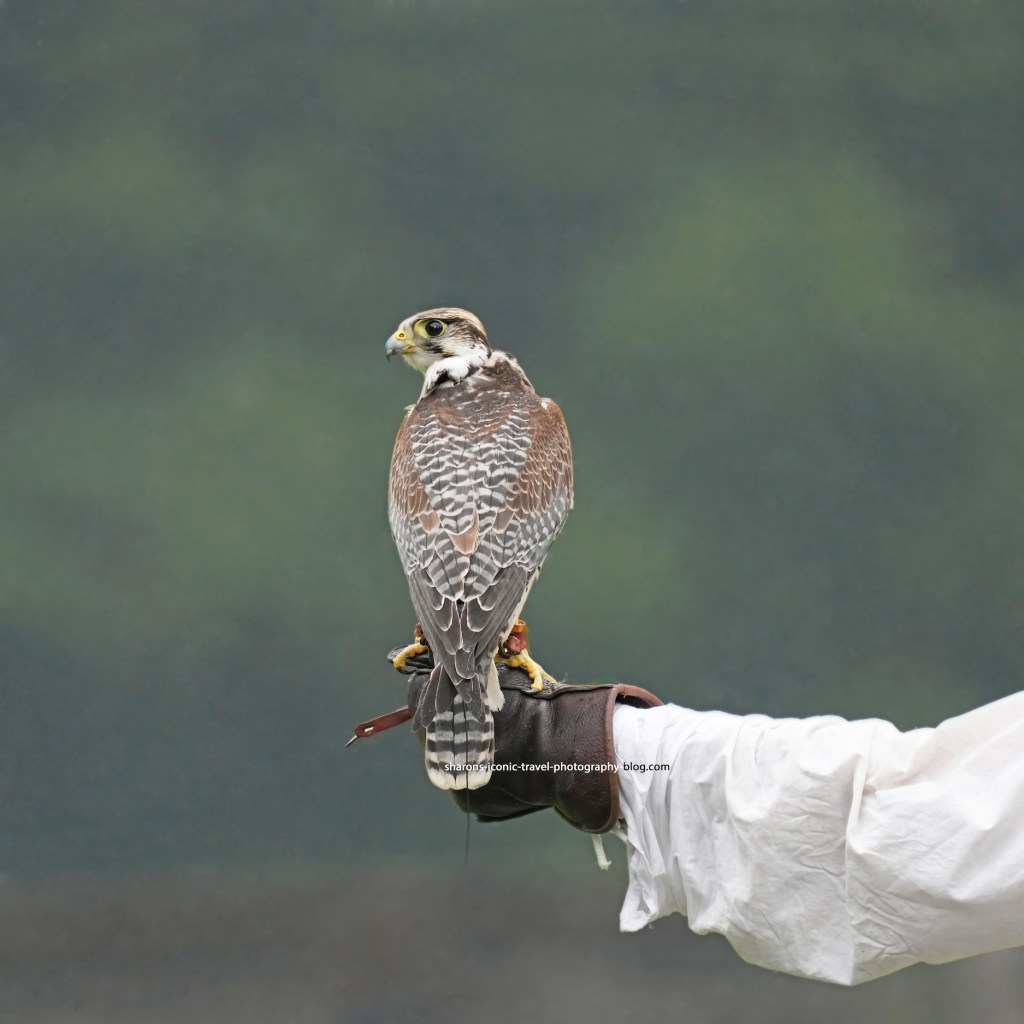
This is the closest I will get to a peregrine falcon. I was in the front row at an outdoor falconry show at Warwick Castle in Warwick, England in July.
I had a zoom lens on my camera. It was raining and dark, so the lighting wasn’t the best and it was too difficult to get shots while they were in flight. The rain kept interfering with my auto focus.
Despite the weather and lighting conditions it was a great show to watch. Have a great week!
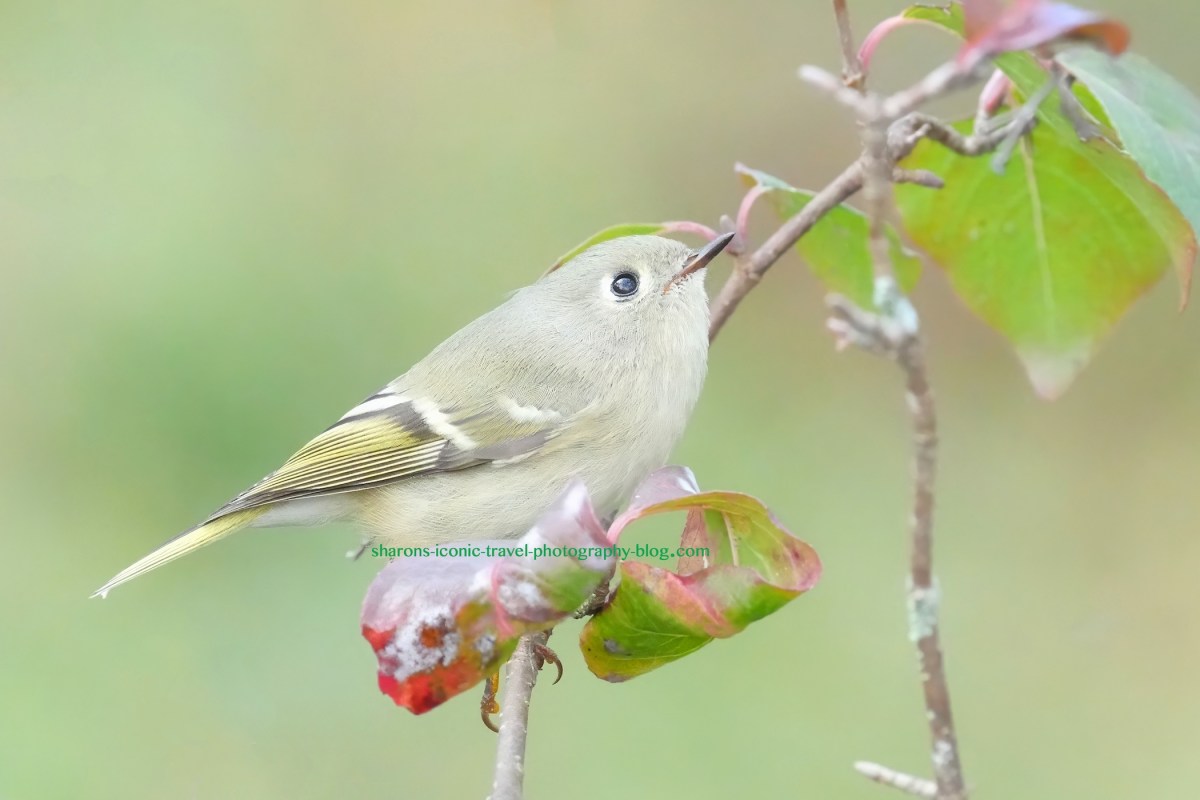
This bird was tough to snap a picture of. It seemed to be ADHD. It moved quickly from tree to tree and branch to branch. I believe it is a Ruby-Crowned Kinglet. If I am wrong let me know.
Ruby-Crowned Kinglet
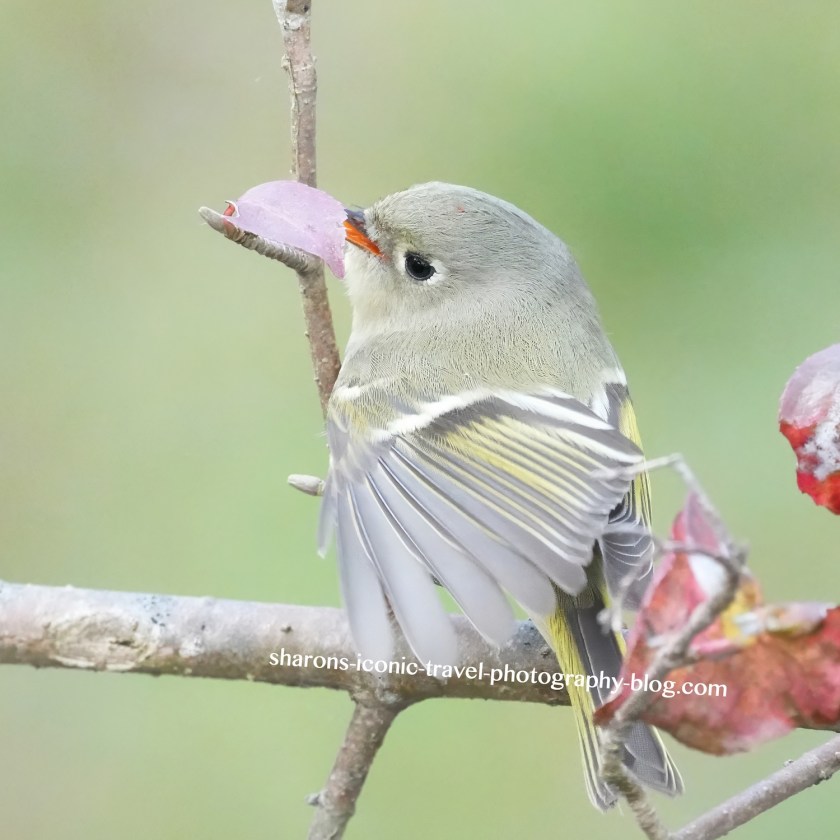
Ruby Crowned Kinglets are said to be hyperactive, which definitely fits this bird. This type of kinglet is said to have an uneven eye ring, which this one does. The Ruby-Crowned Kinglet is said to have brighter greenish edges on the wing and tail feathers, which you can see here.
Ruby-Crowned Kinglet
This bird was in a wooded area right next to the Hudson River in an area with different kinds of birds.
Ruby Crowned Kinglet
According to Merlin, the ruby crown is only on the males and is usually hidden. If it becomes agitated you might see it.
This bird was interesting to observe. The Hudson Valley in Southern NY is actually in its non-breeding range. What birds have you caught during this migration?
These are two of the three fledglings from the same tree hole in May. This appears to be the day these two left the nest hole. The third was still in the hole and was quite loud.
Owl Fledglings 2024
The two out of the tree hole looked so small for barred owls it was confusing. It did not help they fledged during a dark day where it was raining hard. This is why they look drenched. The one pictured above is on a tree branch on the ground. I called a friend and she came. To not upset the apple cart with the parents, who had to be nearby, we left the baby on the ground in hopes that it would climb a nearby tree. It looked exhausted.
Owl Fledglings 2024 I manipulated this dark photo a lot to try to get it sharper and with less noise.
This is the second fledged owlet. It was on a tree maybe ten feet off the ground. This is the last time I saw the owlets from this tree. I did see the parents hunting nearby several times, so I am thinking they were there somewhere. This year though the screech of the babies asking for food was absent. I have always heard that in the past. This year I only heard the screeching coming while they were inside the tree hole or at the hole. Hopefully the great horned owls coming on their territory did not result in the barred owlets being killed. I am hoping they moved them safely to another area.
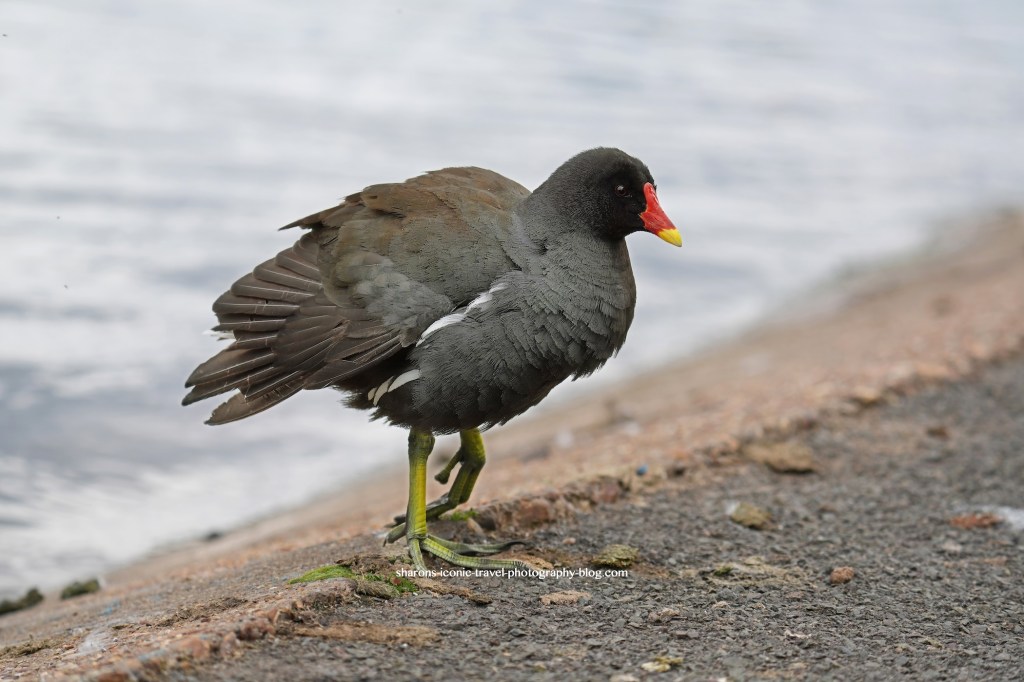
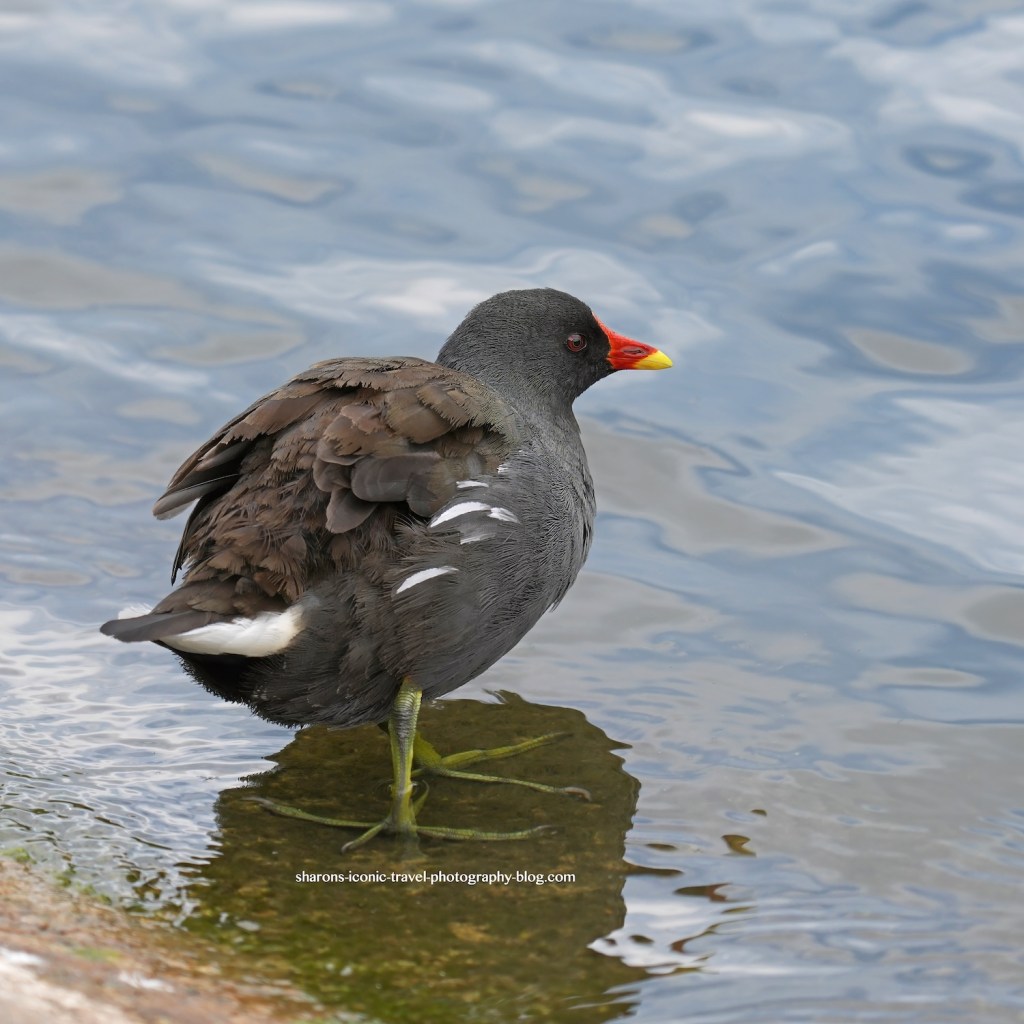
Common Moorhens are medium sized water birds. Other names it could be known as are marsh hens, common gallinule (this may be a close relation), or skitty coot. I saw these birds in some of the royal parks in London.
It has long, green-yellowish legs that resemble something more reptilian. It is close in appearance to an American Coot. One of the main differences is the Moorhen has a red and yellow beak while the coot has a white one.
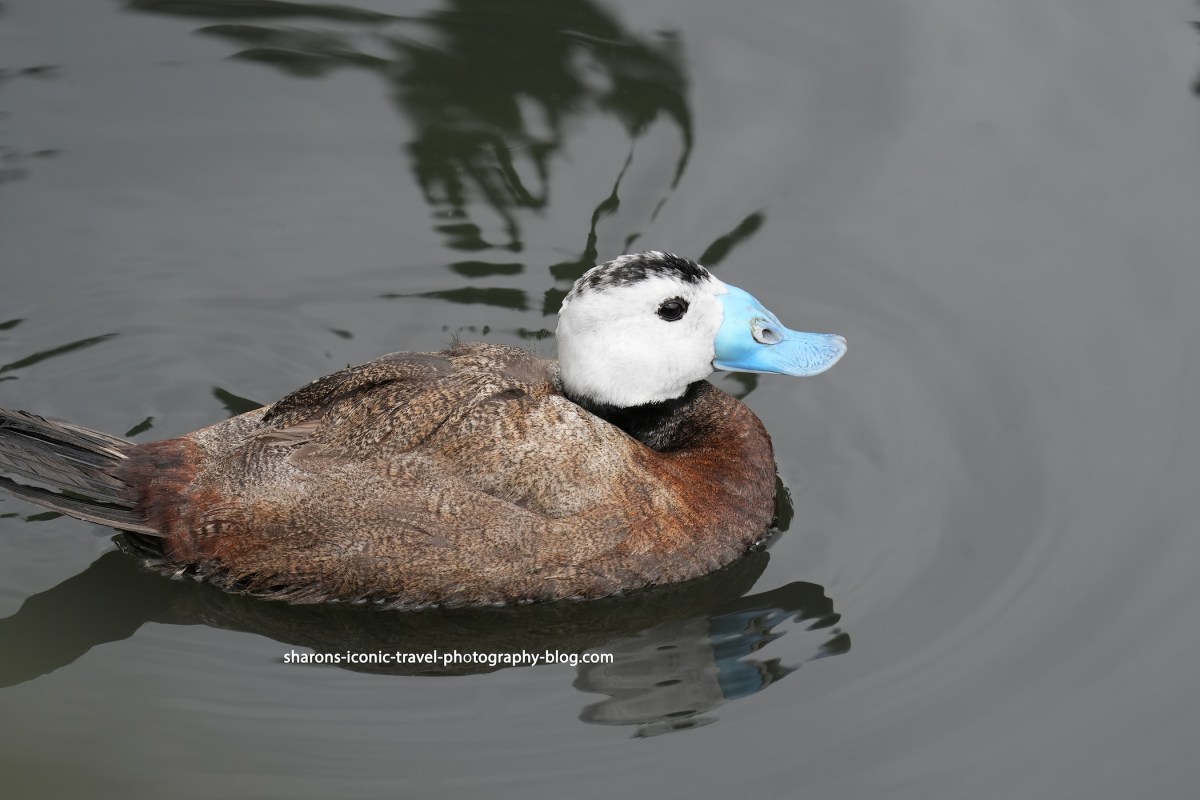
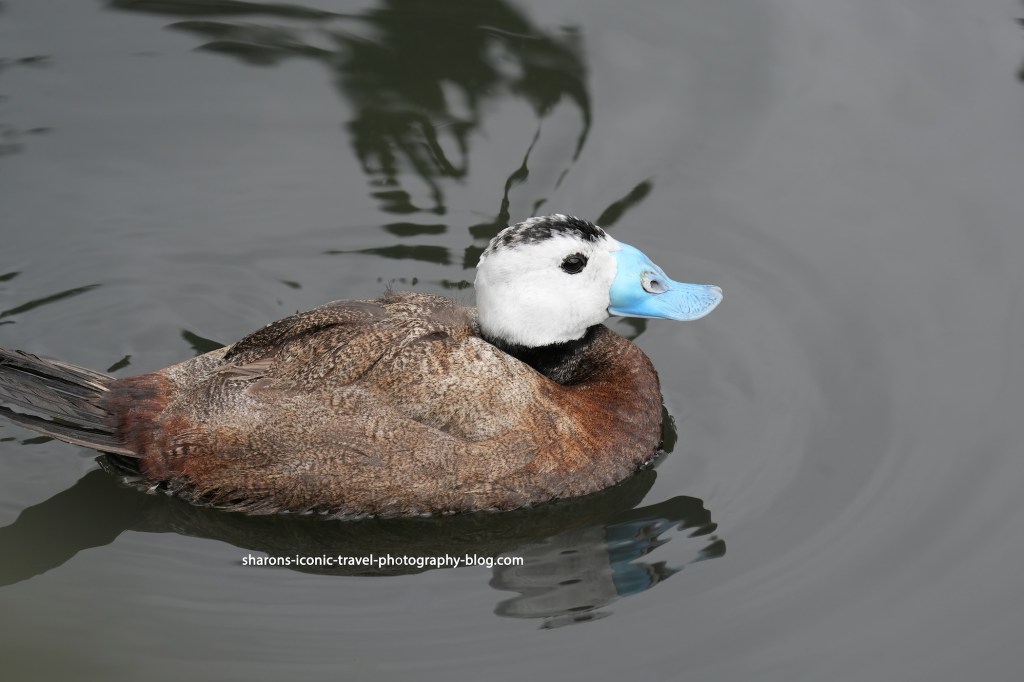
This is a white headed duck. I only got off one shot where its head was raised. They seemed to be sleeping with their head in their body. This is another bird I photographed on a body of water near the Thames in London.
White-Headed Duck- appears to be a male
According to eBird, White-Headed Duck males “have a striking white face and black crown that contrasts with their large blue bill and chestnut body.” They are a diving duck with a long tail. Unfortunately I did not get the whole of it’s tail in one picture.
Personally, I would have named it related to it’s blue bill. Have a great Friday!
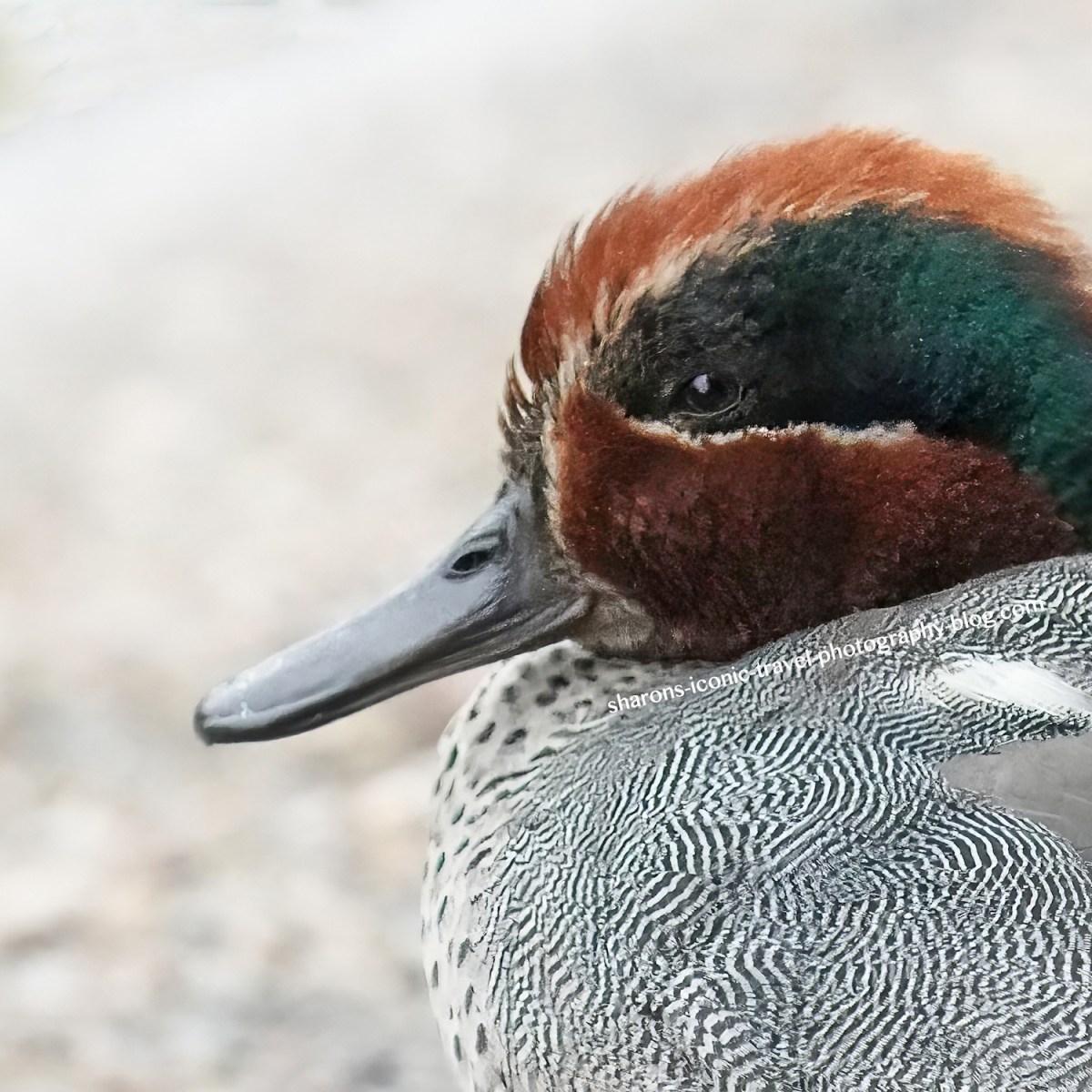
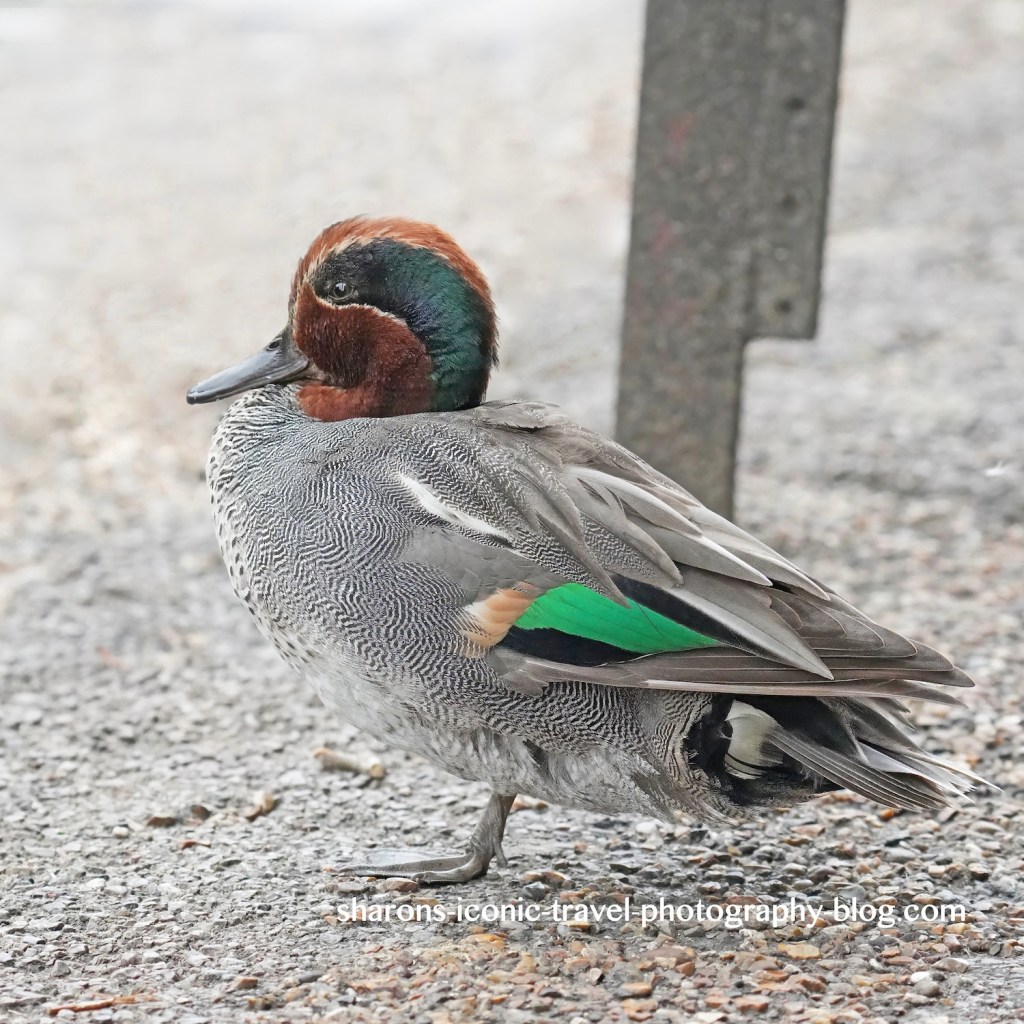
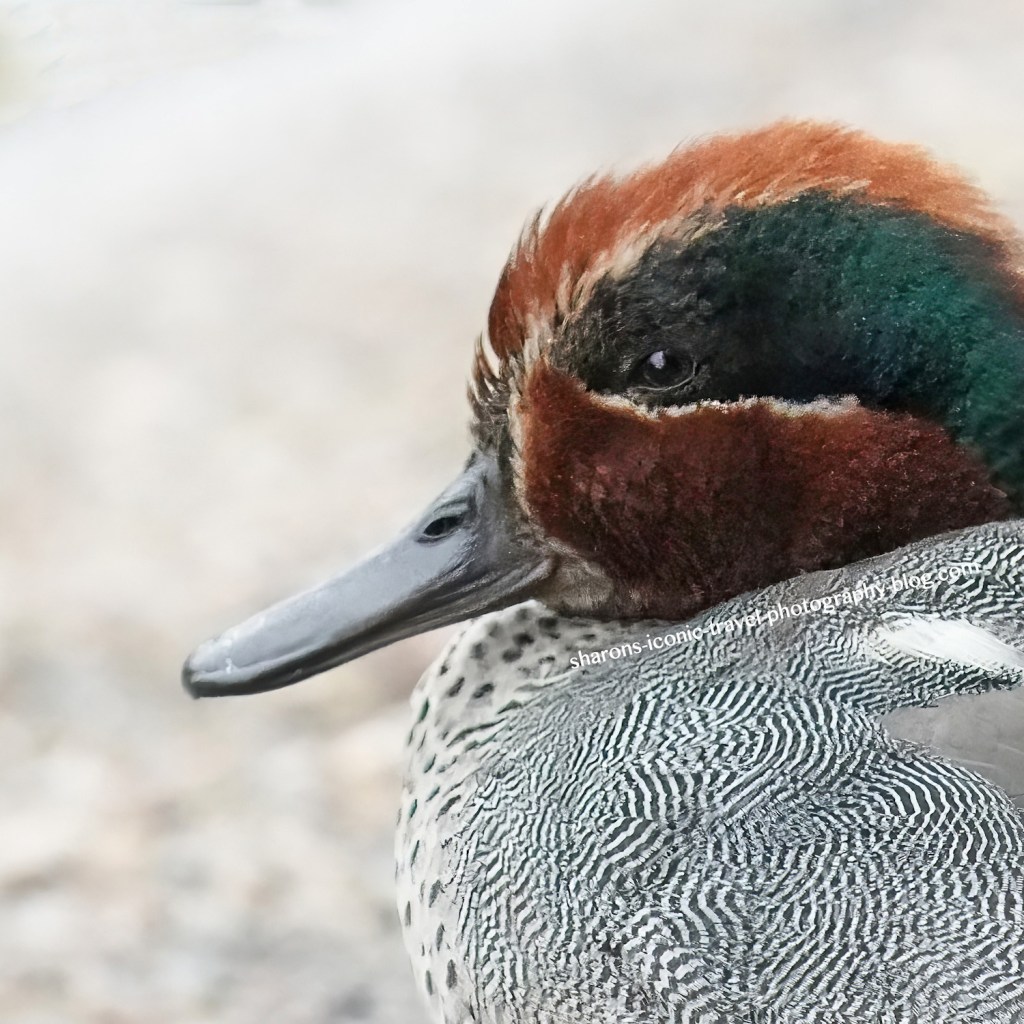
I believe this is a green winged teal. If I am wrong let me know. This is one of the many birds I saw in London in one of the parks.
Green Winged Teal
The green winged teal is a dabbling duck. According to Ducks Unlimited they visit shallow waters such as flooded fields and marshes. They feed by tipping up rather than diving.
Green Winged Teal
I am still going back to the many bird photos I took in England and trying to identify them. Happy Columbus Day if you are in the U.S. Happy Thanksgiving if you are in Canada!
This was another first for me. Owls occupy most of my birding. I saw the glossy ibis at a large wildlife refuge in Central New York during a long weekend vacation trip.
Glossy Ibis Central New York
All of these are quite far away taken with a zoom lens and heavily cropped. The first day I was there they mainly stuck to hiding amongst the plants. They were farther away the first day and luckily someone at the refuge with a powerful spotting scope located and let me view them.
Glossy Ibis
They seemed to stick to the island like areas in the wetlands and occasionally on the second day went in the water. They came closer the second day and these images are from then.
Glossy Ibis – Two
There were two of them. Sometimes they were close together and other times they were near to each other, but not that close.
These images are not that great, but I was happy to see them regardless. Maybe sometime in the future I can witness them up closer. Have a great week.
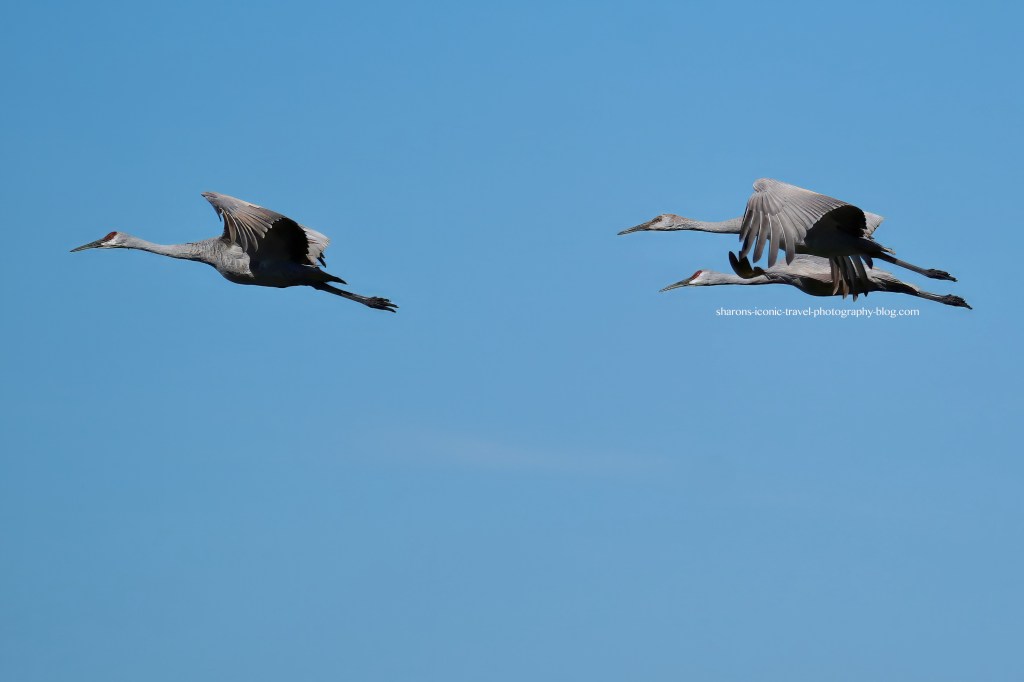
These are the first birds I photographed at a large wildlife refuge in Central New York. After I climbed a viewing tower they flew towards me then passed by. I only had a chance to get off one shot.
Sand Hill Cranes
They appear to be Sand Hill Cranes. There were three flying together. The next shot is an even closer cropped image of the first shot. This is the first time I photographed this bird. As you can tell I am far from an expert.
My understanding is it is the only crane that nests in New York. There are reports in the Adirondacks of nesting sights as well as other areas. It does appear to be not so common to see one in New York.
Sand Hill Cranes
When visiting a wildlife refuge be prepared to take shots as soon as you arrive. Otherwise you might miss out.
I had a long weekend, so I made the trek out to central New York to visit a wildlife refuge. I saw this small water bird that was swimming not too far out from the wildlife drive. It seemed to spend more time underwater then above water, so it was hard to capture.
Water Bird at a Wildlife RefugeWater Bird at a Wildlife Refuge – Is it a Pied Billed Grebe?
To me it is very cute. Can anyone confirm what kind of water bird this is? Is it a pied billed grebe? Have a great week!











 Sharon's Iconic Travel Photography Blog