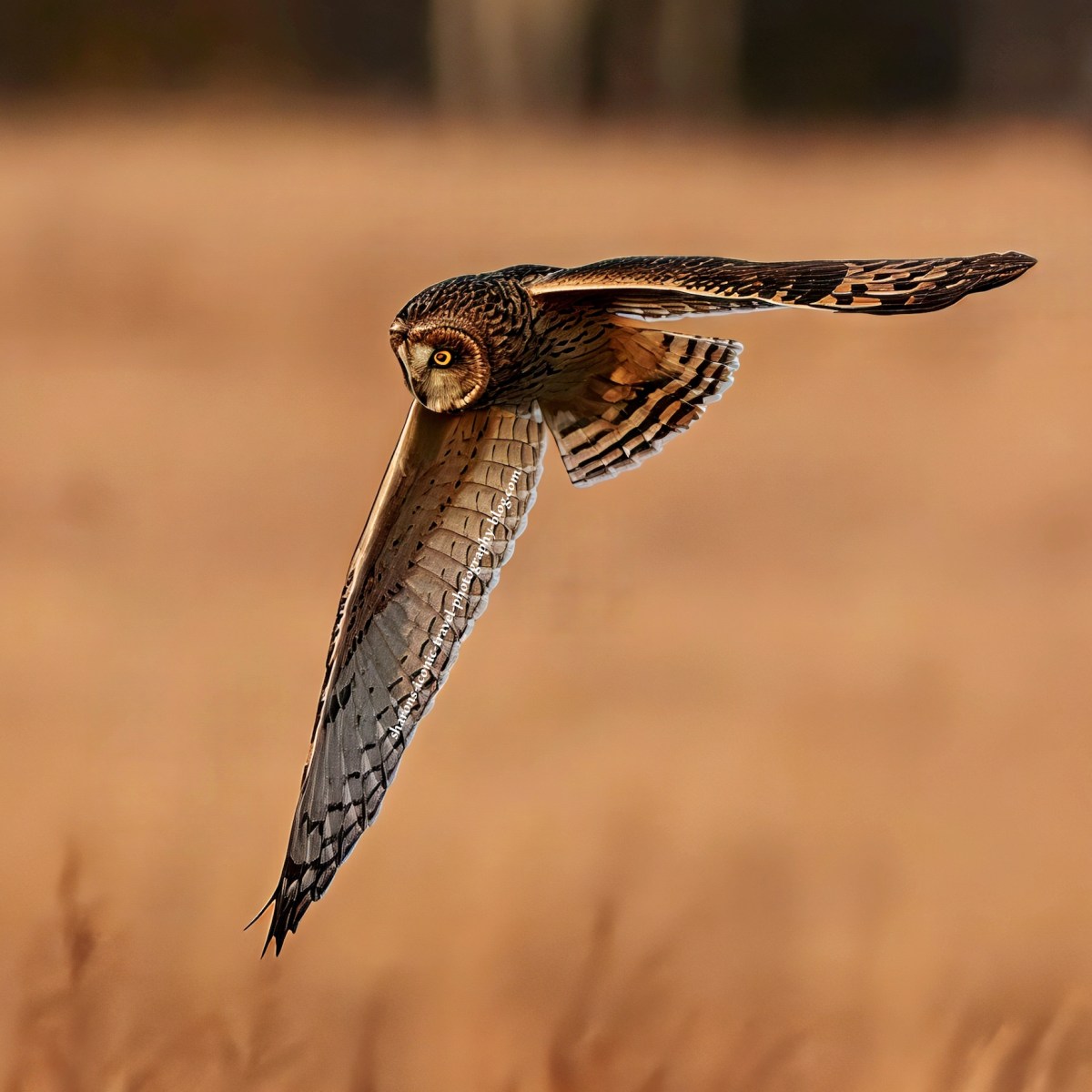
Peregrine Falcon on the Palisades

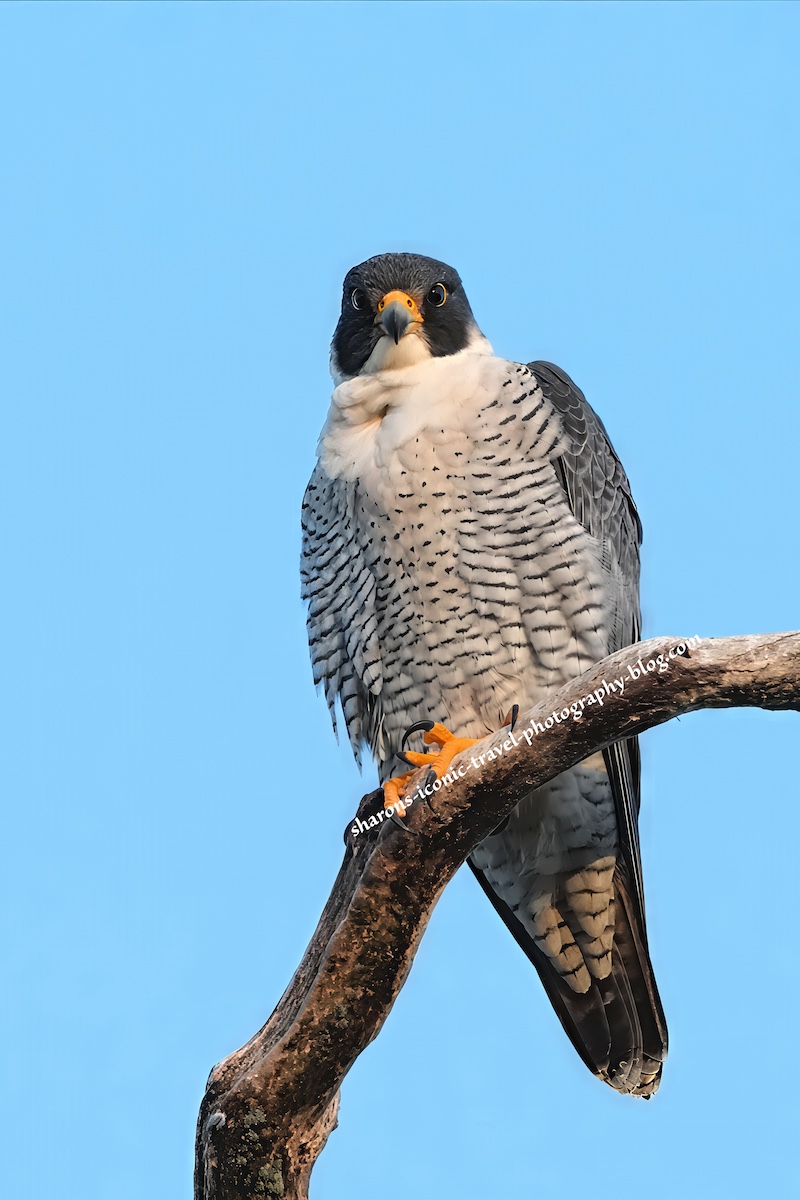
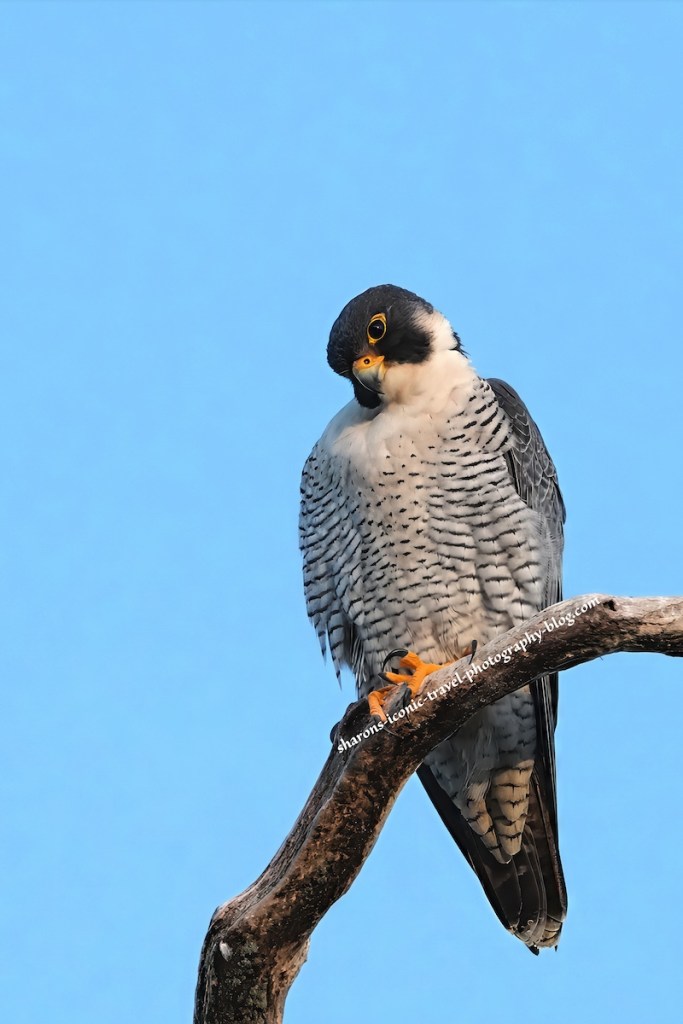
The Palisades is a long stretch of steep cliffs on the west side of the Hudson River that runs from lower NY into New Jersey. At their highest point they are about 540 feet in height and their length is about 20 miles. Peregrine Falcons like to nest on buildings, cliffs, and under tall bridges. The Palisades is a good spot to view Peregrines.

Peregrine Falcon on the Palisades

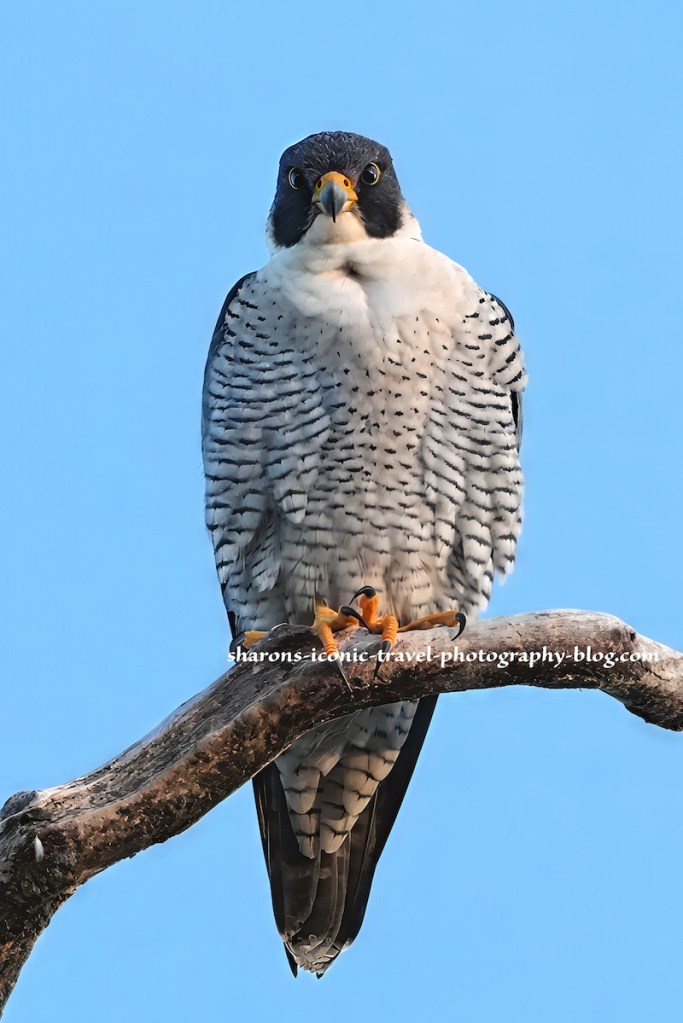
Peregrine Falcons are the fastest birds in the world. They can fly faster than 200 miles per hour. I caught this one before sunset. It never moved from the tree while I was there.

Peregrine Falcon on the Palisades

This falcon was perched on a tree cliffside but was facing the land on top and not the river. A pair of squirrels was chasing each other nearby, but the falcon did not seem interested in them. They are known to capture a variety of birds, but will steal fish and rodents from other birds. They also eat bats. I am trying to significantly reduce the size of my picture files to conserve space on the blog, but the images when I do that are not as sharp as the original. Have a wonderful Wednesday!

Raccoon on November 15

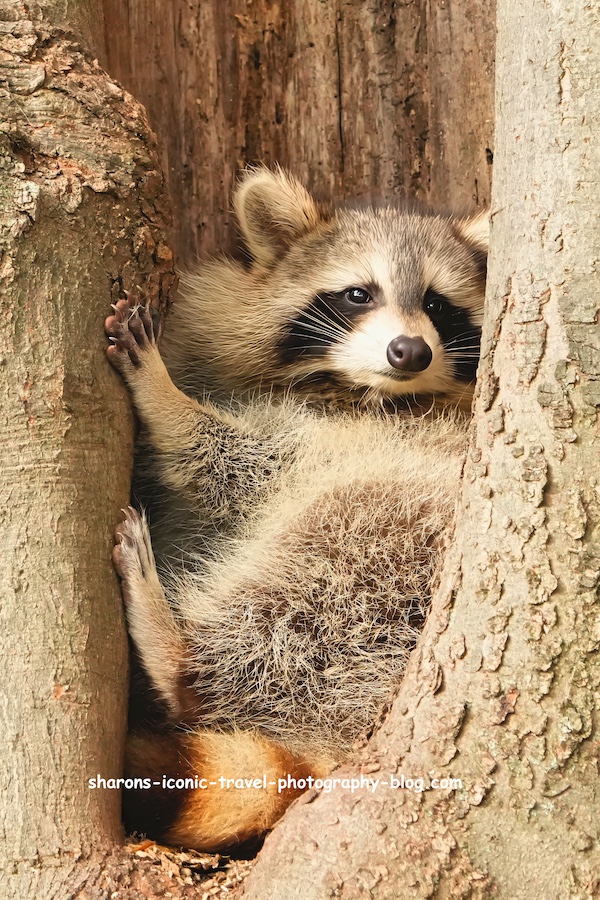
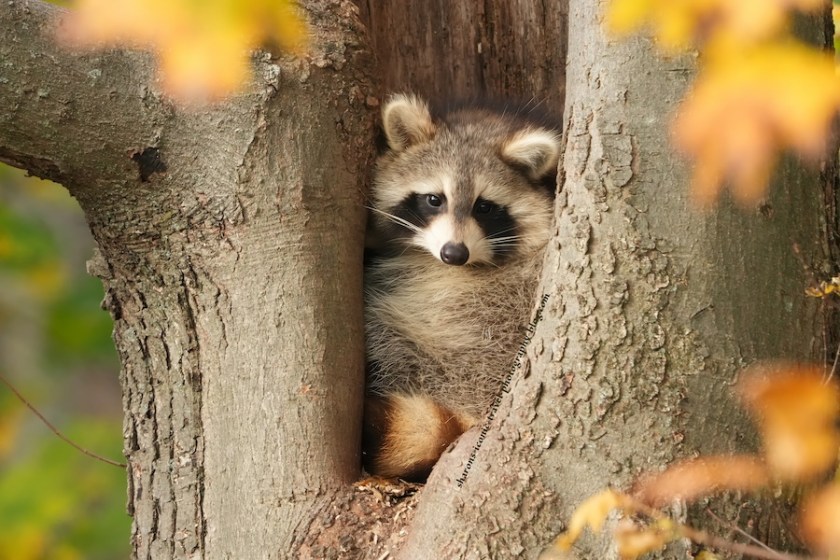
If this is still the same raccoon I have seen on a few other occassions at this treehole, it is getting bigger. It is either more skilled at finding food or has learned well the art of raiding garbage cans and dumpsters.

Raccoon on November 15

Do Raccoons Hibernate?

I did not think they did. When Idid a google search a lot of pest control sites popper up. However I did find information from NorthernWoodlands.org. According to their site “Although they don’t hibernate, raccoons do hole up in dens during the bitterest days of winter and are able to sleep for long stretches of time – up to a month – without heading out into the elements….Raccoons, though typically solitary creatures, will sometimes den in groups during very cold weather.” This period of less activity is entering a state of torpor, which helps them to conserve their energy. NorthernWoodlands also says they will kick other animals out of their den to take it over.

So it would seem this could be the same raccoon. They do eat a lot to build up fat in the autumn to help them survive the winter like other animals do.

Raccoon on November 15

This tree hole appears not to go further inside the tree, and I only see this raccoon here occasionally. I still think this is its occasional sleeping spot that gets sunlight at least half the day. Enjoy your Sunday and have a marvellous Monday!

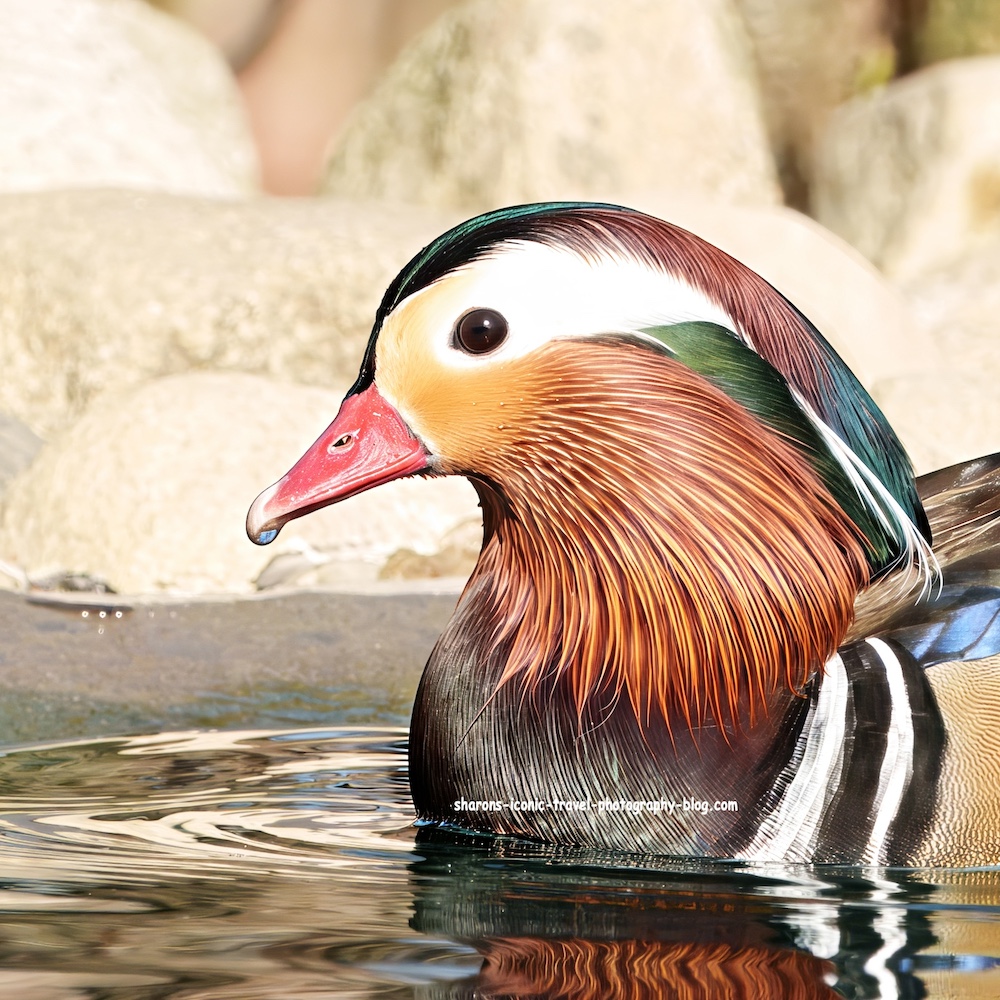
Mandarin Ducks November

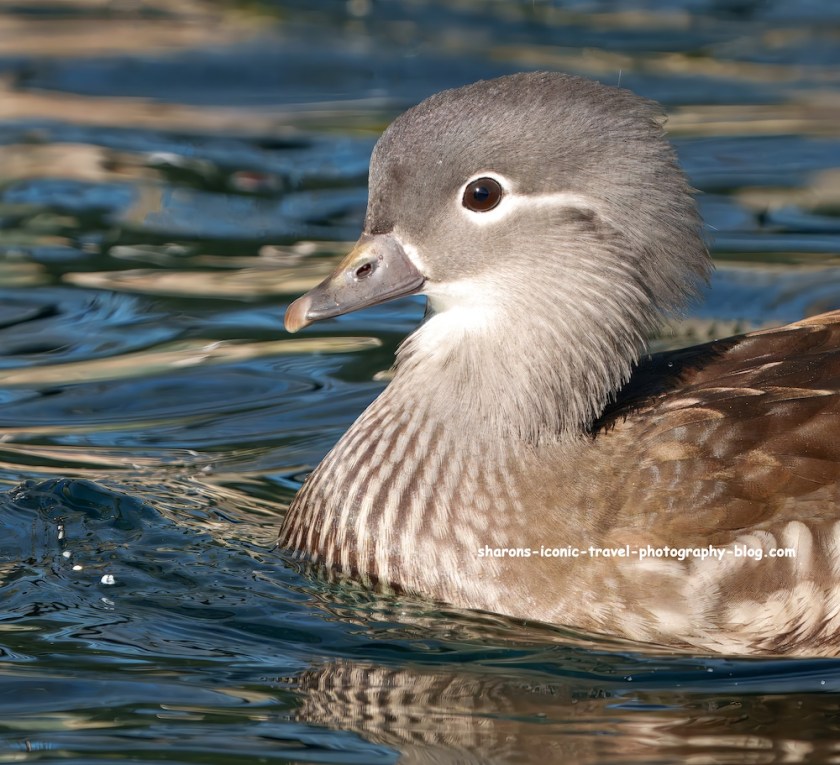
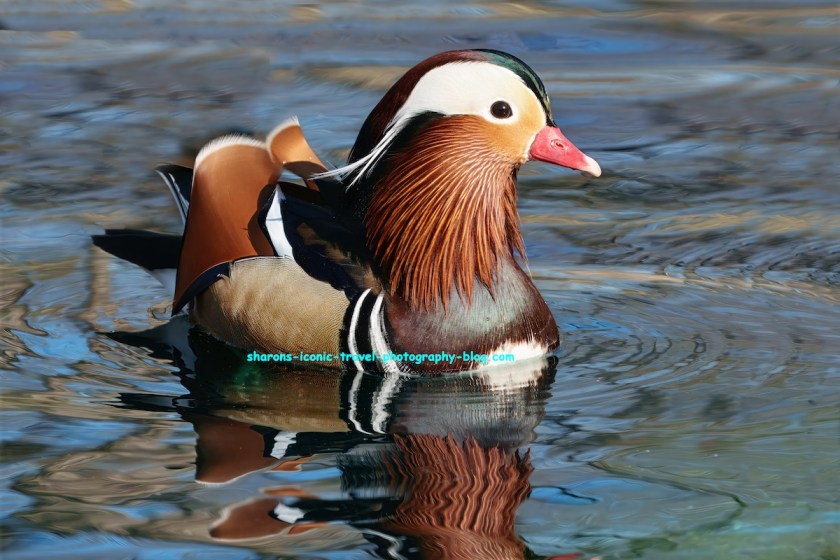
At this location I was able to spot a pair of Mandarin Ducks. The male is brightly coloured and the female’s colours are more gray, brown and white.

FEmales

Mandarin Ducks November- Female

The female can lay from 9-12 eggs. The ducks reach maturity at a year old. Despite laying 9-12 eggs they say there are only about 65,000 Mandarin ducks in the wild.

Males

Mandarin Ducks November- Male

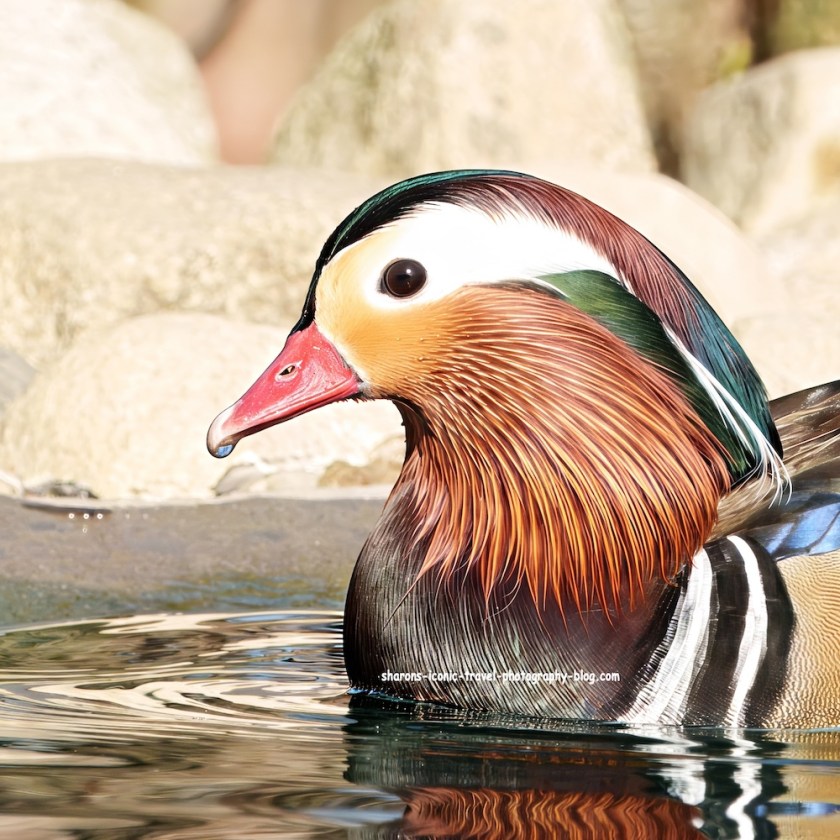
Male Mandarin ducks go blend in after breeding season. The males molt or shed the bright feathers, taking on the colouring more like females for a few months. Males gain back their winter plumage in the US in October or November from what I understand.

Mandarin Ducks November- Male

Mandarin ducks are not hunted for food because they taste bad according to Sea World. Here in the US some people and zoos have Mandarin Ducks and they escape and join other wild ducks. Have a Splendid Sunday!

Male Wood Duck in Autumn

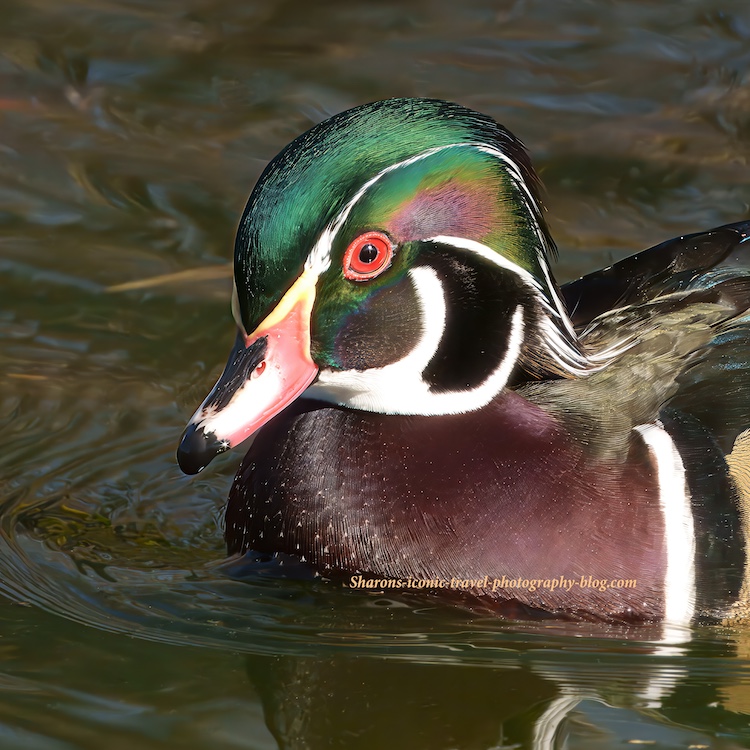
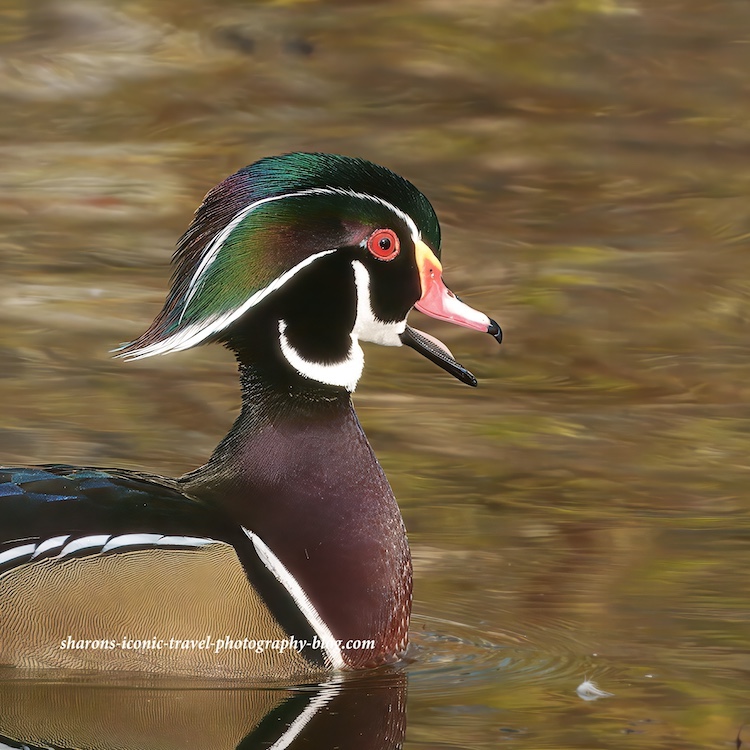
I have seen wood ducks at a few places, but only from a distance. They seem very skittish. Sometimes it may be because the location gets a lot of traffic in terms of people, but they seem more on guard. This location had less people and when I was by myself I had the most luck.

Male Wood Duck in Autumn

Wood ducks will hang out in wetlands, marshes, streams, ponds and lakes. I have seen them in wetlands, streams, and ponds. People put up nesting boxes and they will use them. They will also nest in trees. They are native to most of the eastern part of the US year round.

Male Wood Duck in Autumn

Wood ducks will eat seeds, fruit, insects, acorns, flies, beetles, caterpillars, and a variety of plants. They feed by making short, shallow dives called dabbling.

I was at this location for about 3 and a half hours trying to view this duck between branches, grasses and other obstructions. Sometimes it is worth the effort. Have a Happy Monday!

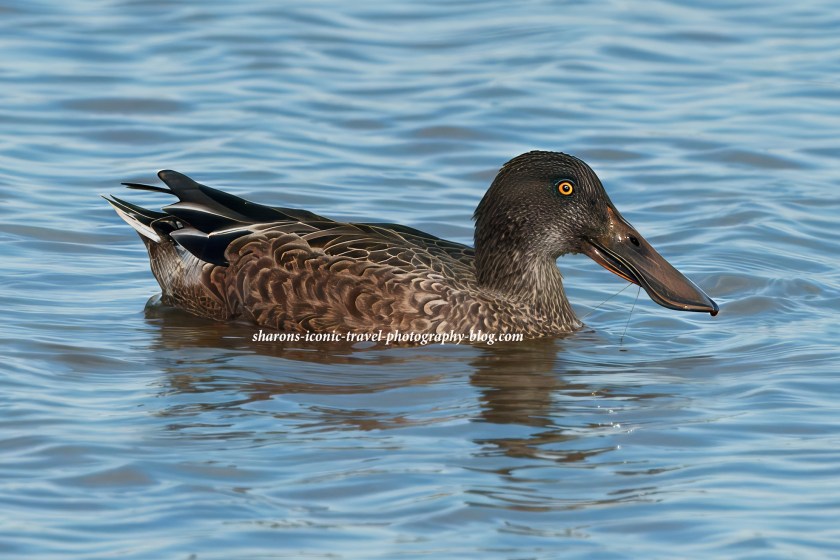
Northern Shoveler in New Jersey

Northern Shoveler in New Jersey

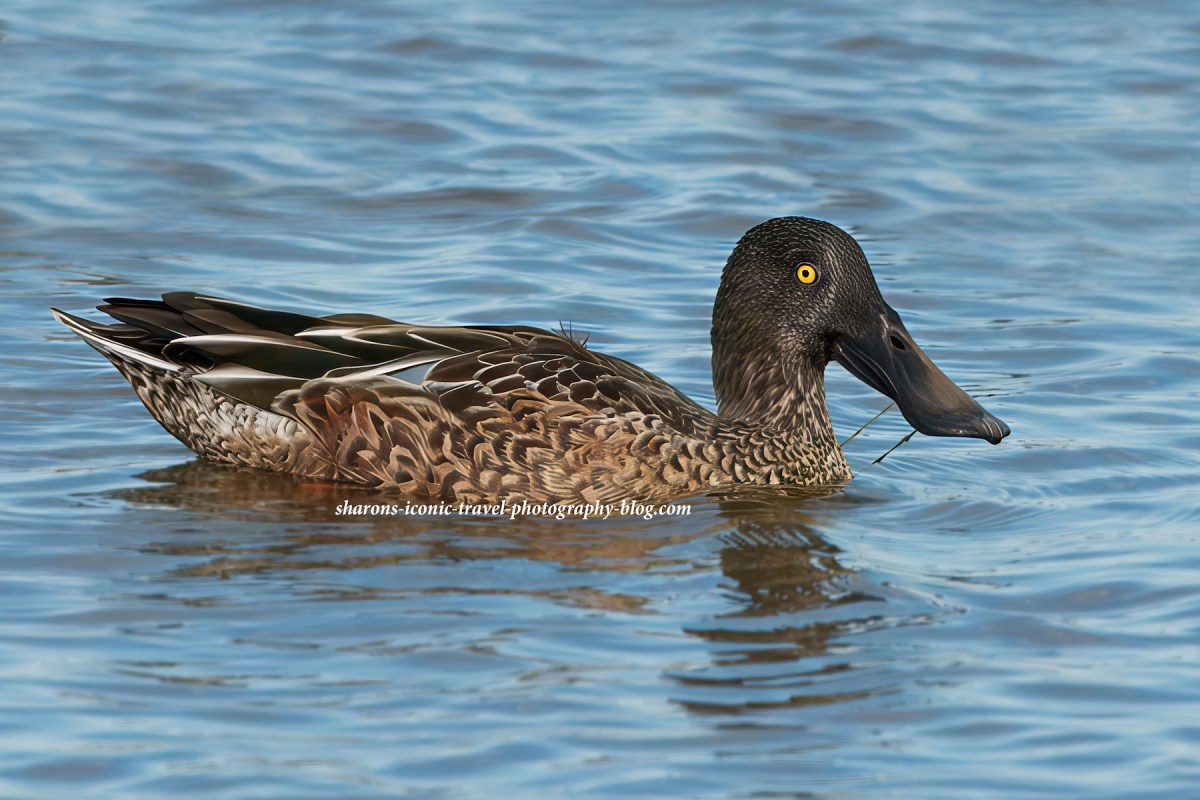
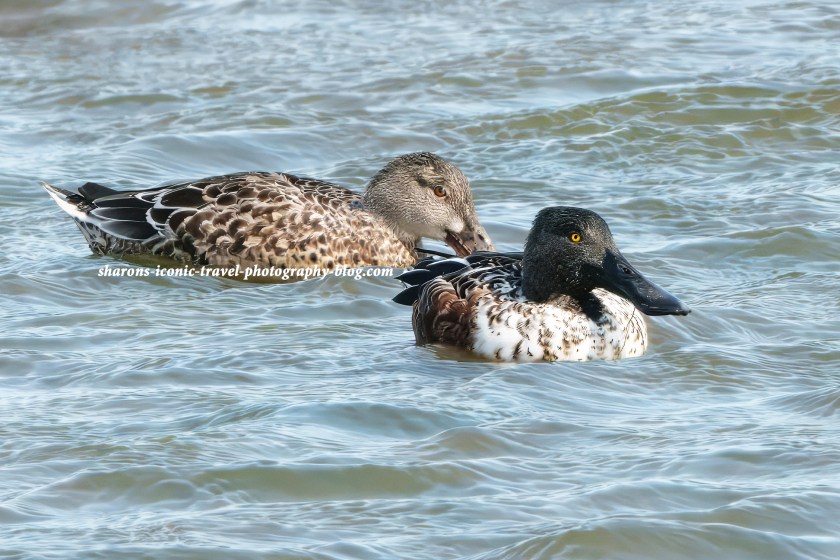
These are some more birds I saw in New Jersey. I think the above picture is a female and a male. They say females have an orange bill. This one on a different image does appear to have an area of orange on it. This male might in in the transition between non-breeding to a breeding male. The examples of breeding males I see online show a black head tinged with green, reddish brown flanks with a white chest. This one seems to have more dark areas on its chest. It may be the lighting conditions but I did not see much, if any green on it’s head.

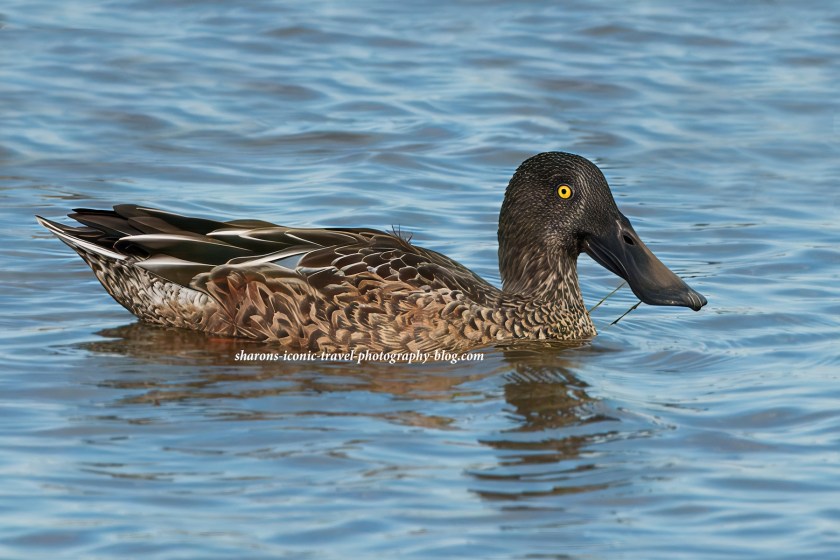
Nonbreeding Male

Northern Shoveler in New Jersey

All About Birds identifies nonbreeding males as darker overall. They have a yellow eye. All About Birds lists New Jersey as its non-breeding area.

Northern Shoveler in New Jersey

Have a Happy Thursday!

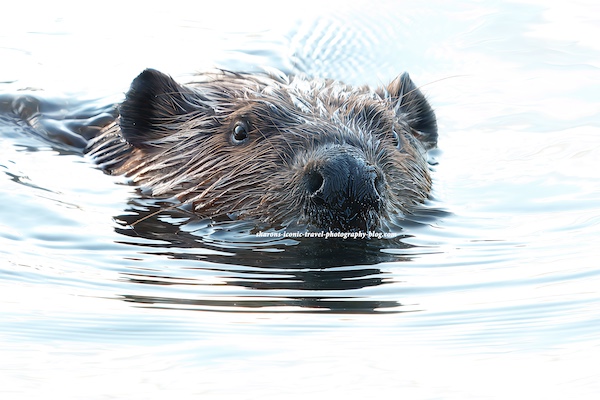
Beaver?

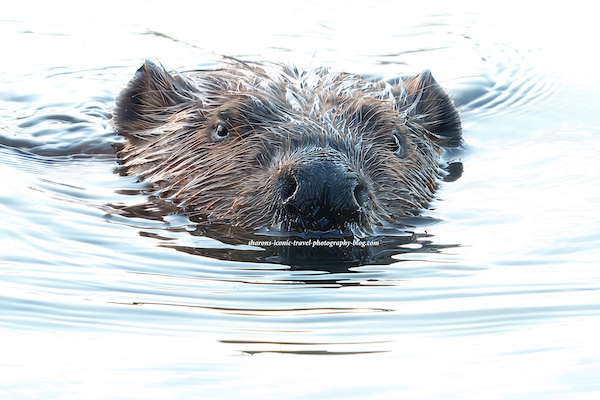
When I came upon this very close to sunset, three ladies were watching it. I never saw it’s tail. They said it was slapping it on the water. I think it is either a muskrat or a beaver. I passed by this area earlier and heard a slap on the water and assumed it was a fish jumping. It may have been this animal.

Both beaver and muskrats can live in lodges. There was a lodge nearby and both live in lodges. This was in a wetlands area affected by the tide, off the Hudson River. I am going to say it may be a beaver. I have been by this area many times and have not seen it come this close. Hopefully it is not rabid. There was a case of a rabid beaver on the River that went after a kayaker I think last year.

Hopefully the Beaver and you have a Marvellous Monday!

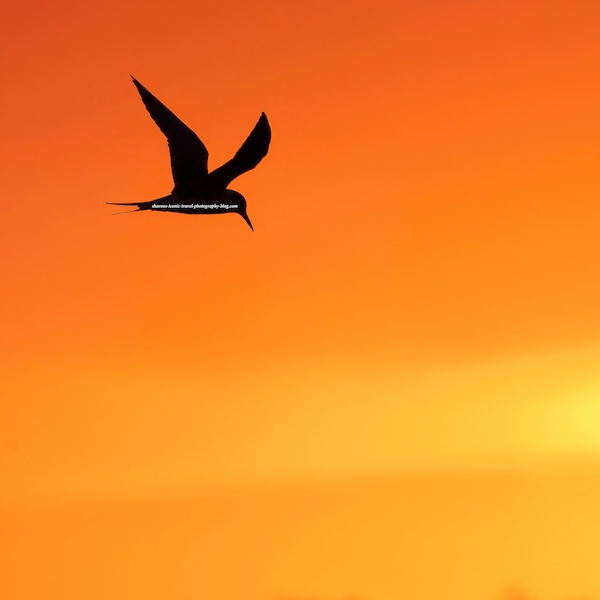
Tern at Sunrise

I saw this tern, most likely a Forster’s Tern, at sunrise near the ocean in New Jersey. The larger birds were also flying around this time , but they were very far away. The terns are always ready to oblige it seems.

Tern At Sunrise

Have a Marvellous Monday!

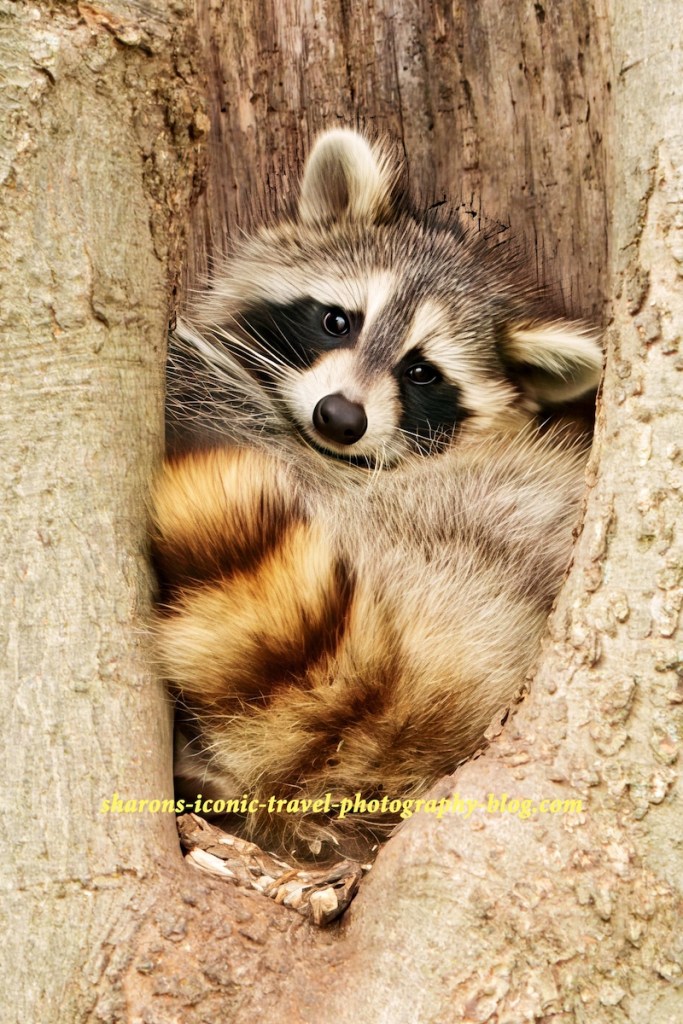
Returning Raccoon

I thought when I caught this raccoon last time, it would be a one off chance encounter. I did catch it back at the same tree hole on another trip. It did wake up long enough to get it with its eyes open.

It seems the tree hole does not really go down from where it is as it seems wedged in there. It does not look comfortable, but it has returned. Have a great weekend.

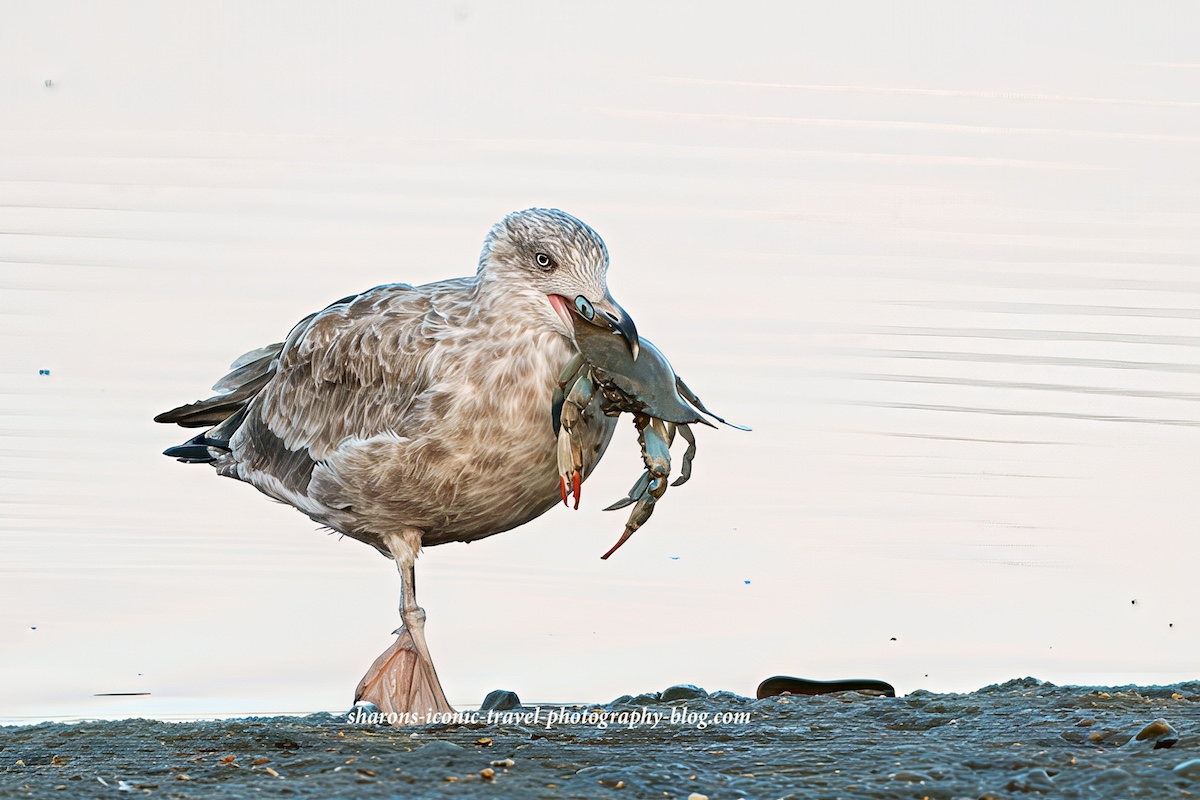
American Herring Gull With Blue Crab

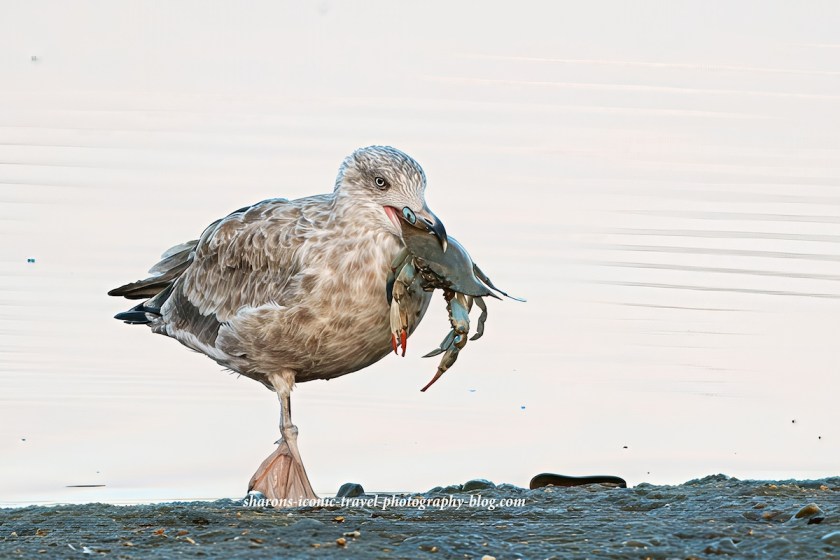
I believe this is a juvenile American Herring Gull with a blue crab. I spotted this in New Jersey.

American Herring Gull With Blue Crab

American herring gulls , according to All About Birds, eat fish, insects, smaller seabirds, and even feed on adults, young, and eggs of other gulls. They also take mussels, crabs, sea urchins, crayfish, clams, and mussels.

I was hoping to go back to the same spot this weekend, but alas a nor’easter has affected the weather prior to its arrival. Maybe another weekend coming up I can swing it. We are predicted to get much needed rain, however, hopefully not too much. Have a Happy Sunday!

American Oyster Catcher in NJ

This is one of those at least I caught it photos. If I remember correctly the beach was closed beyond where I sat because of it being a nesting area for most likely another bird. This oyster catcher flew into the area in front of me and was looking for a meal.

American Oyster Catcher in NJ

According to All About Birds “American Oystercatchers are the only birds in their environment with the ability to open large molluscs such as clams and oysters.”

American Oyster Catcher in NJ

Even though it was still quite a distance, at least I saw it. These were taken with a zoom lens and are heavily cropped. Have a great Sunday!